
The Premier League, a name that resonates with football fans worldwide, kicked off in 1992. Born out of the need for a fresh start, it quickly changed the landscape of English football. With its roots in the old First Division, the league became a symbol of modern football, attracting top talent and massive global audiences. This article dives deep into the journey of the Premier League, from its inception to its current status as a football powerhouse.
Key Takeaways
- The Premier League was formed in 1992, replacing the First Division as the top tier of English football.
- Television deals, especially with Sky, played a huge role in the league’s growth and popularity.
- Manchester United dominated the early years, but clubs like Manchester City and Chelsea have become major forces.
- The league’s international appeal has drawn players and managers from all over the world, transforming playing styles.
- Financial booms have led to commercialization, with significant impacts on clubs and the global reach of the league.
Origins and Formation of the Premier League
The Need for Change in English Football
Back in the late 1980s and early 1990s, English football was in a bit of a mess. Attendance was dropping, stadiums were getting old, and the violence from hooligans was a real problem. The big clubs were itching for something new, something that could bring in more money and make the game exciting again. They wanted to break away from the old Football League and create a league that could stand on its own.
The Founder Members Agreement
So, on July 17, 1991, the top clubs got together and signed the Founder Members Agreement. This was a big deal because it set the stage for what would become the Premier League. They wanted freedom—commercial independence from the Football League and the FA. This meant they could make their own deals for broadcasting and sponsorship. The idea was that with more money, they could compete better with the big European clubs.
The Role of Television and Broadcasting
Television played a huge role in this whole change. In 1992, the Premier League struck a groundbreaking deal with BSkyB, a pay-TV company. This was unheard of at the time, but it turned out to be a game-changer. The deal brought in a ton of money, and suddenly, the Premier League was on TV screens everywhere. This not only boosted the league’s popularity but also brought in more fans, both in England and around the world.
The launch of the Premier League wasn’t just about football; it was about transforming a sport into a global entertainment powerhouse.
The Premier League officially kicked off on February 20, 1992, when 22 clubs broke away from the old First Division. This move marked a new era of English football, changing the game forever.
The Inaugural Season and Early Years

The First Premier League Clubs
Back in 1992, the football landscape in England changed dramatically with the birth of the Premier League. This wasn’t just a new name for the top flight; it was a whole new ball game. The inaugural season kicked off with 22 clubs, including big names like Arsenal, Chelsea, and Manchester United. These clubs, along with others like Blackburn Rovers and Leeds United, formed the backbone of this fresh league. Each team brought its own legacy and fanbase, creating a melting pot of history and ambition.
Key Matches and Moments
The early years of the Premier League were filled with unforgettable matches and jaw-dropping moments. Brian Deane scored the very first goal of this new era for Sheffield United against Manchester United. That match set the tone for a season where Manchester United, led by Sir Alex Ferguson, began to establish themselves as a dominant force. There were also epic clashes like the 4-3 thriller between Liverpool and Newcastle in 1996, which is still talked about today.
- Manchester United’s dominance began early, winning seven of the first nine titles.
- Blackburn Rovers’ surprise triumph in the 1994-95 season.
- Arsenal’s rise towards the end of the decade, setting the stage for future battles.
Impact on English Football
The formation of the Premier League wasn’t just about creating a new competition; it was about revolutionizing English football. It introduced a new level of professionalism and commercialism to the sport. Clubs began to attract international talent, which raised the quality of play and increased global interest. The league’s financial model, heavily supported by television rights and sponsorship deals, transformed the economic landscape of football in England. The Premier League quickly became not just a national treasure but a global phenomenon.
The Premier League’s inception marked the beginning of a new chapter in football, one where the game would never be the same again. It set the stage for a future where English clubs would compete fiercely on both domestic and international fronts, forever changing the sport’s dynamics.
Evolution of the League System
Changes in League Structure
The Premier League kicked off in 1992, marking a significant shift from the old Football League First Division. Initially, the league comprised 22 teams, but this number was trimmed down to 20 by the 1995-96 season. This change was part of a broader restructuring aimed at enhancing the quality and competitiveness of English football. The Premier League was set up as a single division, distinct from the Football League, which continued with three divisions. Despite these changes, the basic competition format remained intact, with promotion and relegation processes linking the Premier League to the lower tiers.
Promotion and Relegation
Promotion and relegation are the lifeblood of the league system, ensuring a dynamic flow of teams between divisions. Each season, the bottom three teams of the Premier League face relegation to the Championship, while the top two teams from the Championship, along with the winner of the playoff between the third to sixth-placed teams, earn promotion. This system keeps the league vibrant and competitive, with clubs constantly striving to either maintain their top-flight status or achieve it.
Integration with European Competitions
The integration of the Premier League with European competitions has been a key aspect of its evolution. English clubs compete in prestigious tournaments like the UEFA Champions League and the Europa League, based on their league standings. This not only raises the stakes for top clubs but also enhances the international profile of the league. Participation in these competitions is highly coveted, offering clubs both financial rewards and the chance to showcase their talents on a global stage. The Premier League’s ability to seamlessly blend domestic and European football has been a cornerstone of its success, making it a premier destination for top talent worldwide.
The Premier League’s evolution is a testament to its adaptability and forward-thinking approach, maintaining its position as a leading force in world football.
Dominant Teams and Memorable Champions
Manchester United’s Era of Dominance
Manchester United’s dominance in the Premier League is legendary. From the inaugural season in 1992 to 2013, they clinched the title 13 times. Under Sir Alex Ferguson’s management, the team became synonymous with success, characterized by a never-give-up attitude and thrilling last-minute victories. Players like Eric Cantona, Ryan Giggs, and Wayne Rooney became household names, contributing to the club’s illustrious legacy. The Red Devils’ success wasn’t just about winning titles; it was about setting standards that others aspired to reach.
The Rise of Manchester City
Manchester City’s journey to the top is nothing short of remarkable. Acquired by the Abu Dhabi United Group in 2008, the club saw a massive influx of resources, allowing them to attract top-tier talent. This investment paid off handsomely, with City securing their first Premier League title in 2012 in a dramatic finish against Queens Park Rangers. Since then, they have won multiple titles, establishing themselves as a powerhouse in English football. Their style of play, under managers like Pep Guardiola, has been praised for its flair and effectiveness.
Leicester City’s Fairytale Season
Leicester City’s 2015-16 Premier League triumph is one of the most captivating stories in football history. Considered underdogs, they defied odds of 5000-1 to win the title, showcasing a blend of teamwork, resilience, and tactical brilliance under Claudio Ranieri. Players like Jamie Vardy and Riyad Mahrez became symbols of this unexpected success. Leicester’s victory was not just a win for the club but a testament to the unpredictable nature of the Premier League, reminding everyone that in football, anything is possible.
The Premier League has seen its share of dominant teams and unforgettable champions. Each era brings its own set of heroes and stories, weaving a rich tapestry that continues to captivate fans worldwide. The league’s global popularity is a testament to its thrilling nature and the extraordinary narratives it produces every season.
Influence of Foreign Players and Managers
The Influx of International Talent
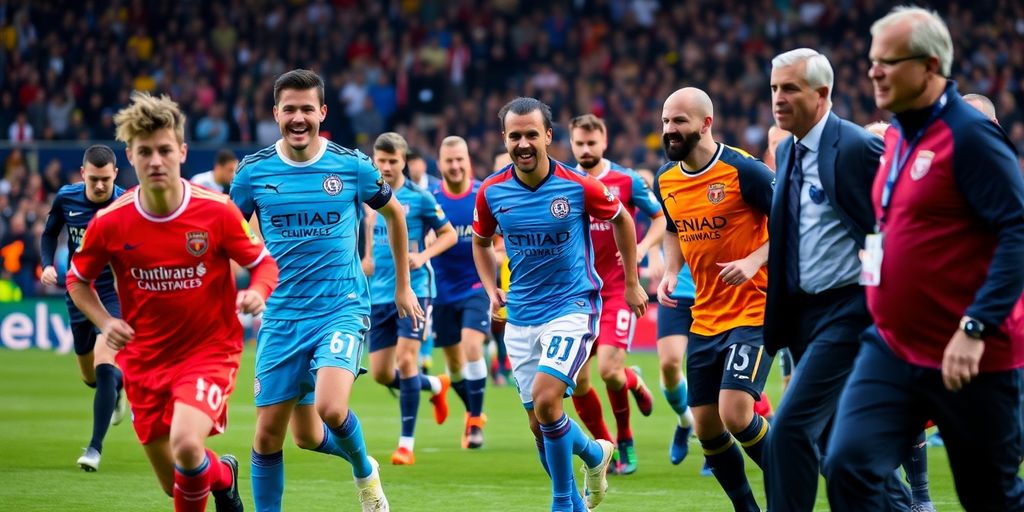
The Premier League has seen a remarkable transformation with the arrival of foreign players. Back in 1992, just 11 non-UK players were part of the initial line-ups. Fast forward to the 2000-01 season, and foreign players made up 36% of the league. By 2005, this figure had risen to 45%. This shift wasn’t just about numbers; it brought in a mix of skills and styles that reshaped English football. Clubs like Chelsea and Arsenal even fielded entirely foreign line-ups in some matches. The diversity of players has not only enriched the game but also broadened its appeal globally.
Impact on Playing Styles and Tactics
Foreign players and managers have introduced a variety of playing styles and tactical innovations to the Premier League. This has led to a more dynamic and unpredictable competition. The influence of international talent has pushed teams to adapt and evolve, making the league more exciting and competitive. The blend of different cultures and strategies has also encouraged English players to enhance their skills and broaden their understanding of the game.
Notable Foreign Figures in the League
Several foreign players and managers have left an indelible mark on the Premier League. Icons like Thierry Henry, Cristiano Ronaldo, and Didier Drogba have not only dazzled with their skills but also inspired a generation of players. On the managerial front, figures like Arsène Wenger and José Mourinho have brought new philosophies and winning mentalities that have transformed their clubs. These influential figures have helped the Premier League grow into a global phenomenon, attracting fans from all over the world.
The Premier League’s global appeal is undeniable, with its matches broadcast in over 200 countries. It’s a melting pot of talent, where different styles and cultures come together to create something truly special. Soccer’s simplicity and accessibility, along with its essential rules, make it a vital part of culture and teamwork for billions. Soccer’s popularity is a testament to its universal appeal.
Financial Growth and Commercialization
Television Rights and Sponsorship Deals
The Premier League’s rise to commercial prominence is largely tied to its strategic television rights agreements. Back in the 80s, clubs were already pushing for more lucrative deals, recognizing the potential of broadcasting revenue. Fast forward to today, and these deals are the backbone of the league’s financial success. Television rights alone bring in billions, allowing clubs to invest heavily in players and facilities. Sponsorships also play a huge role, with major brands eager to associate with the league’s global image. From banks to brewers, the list of partners is diverse and ever-growing.
Economic Impact on Clubs and Players
The financial boom has transformed clubs into economic powerhouses. With massive revenues flowing in, clubs can afford to pay top dollar for world-class talent. This influx of cash has not only elevated player wages but also increased competition among clubs to attract the best. Financially, the Premier League clubs are among the richest in the world, and this economic muscle is evident in their global reach and influence.
The Global Reach of the Premier League
The Premier League’s appeal isn’t confined to England or even Europe—it’s a global phenomenon. With fans from every corner of the world, the league’s matches are broadcasted in hundreds of countries. This international fanbase has fueled its commercial success, as merchandise sales and international tours become significant revenue streams. The English Premier League thrives on significant commercial success, with clubs earning considerable revenue from sponsorships, merchandise sales, and international tours, highlighting the financial influence on the game.
The Premier League’s financial model is a testament to the power of strategic commercial partnerships and global branding. Its success story is not just about football but about creating a brand that resonates worldwide.
Challenges and Controversies
Financial Fair Play and Regulation
Financial Fair Play (FFP) was introduced to prevent clubs from spending beyond their means. But it’s been a hot topic. Some clubs feel it’s a necessary guardrail, while others see it as a barrier to growth. Critics argue that it favors already wealthy clubs, creating a bigger gap between the rich and the rest. There’s a constant debate about whether FFP truly levels the playing field or just maintains the status quo.
The Role of VAR in Modern Football
The introduction of the Video Assistant Referee (VAR) was meant to bring clarity and fairness to the game. However, it’s not without its issues. Fans and players alike have voiced concerns about the time it takes to make decisions and the lack of consistency. Some argue that controversial officiating decisions have only increased with VAR, rather than decreased. The debate continues on whether it’s improving the game or just complicating it.
Fan Reactions and Criticisms
Fans are the lifeblood of football, and their voices are powerful. Over the years, there have been numerous protests over ticket prices, club ownership, and changes to the game. The failed European Super League proposal was a prime example of fan power, as widespread backlash forced clubs to withdraw. In a world where football is increasingly commercialized, the challenge is balancing business interests with the passion and traditions that make the game special.
Football isn’t just a game; it’s a community. The love for the sport transcends boundaries, but so do the issues that come with it. Balancing modern advancements with the soul of the game is a challenge that will persist.
Wrapping Up the Premier League Journey
So, there you have it, the Premier League’s story from its humble beginnings to becoming a global phenomenon. It’s been a wild ride, full of ups and downs, legendary players, and unforgettable matches. The league has not only changed the face of English football but has also left a mark on the world stage. With its mix of tradition and innovation, the Premier League continues to captivate fans across the globe. As we look to the future, one thing’s for sure: the excitement isn’t going anywhere. Here’s to many more seasons of thrilling football action!
Frequently Asked Questions
When did the Premier League start?
The Premier League began in 1992, taking over from the old First Division of the Football League.
Why was the Premier League created?
It was created to bring more money and attention to English football through better TV deals and separate management from the Football League.
Which teams have always been in the Premier League?
Arsenal, Chelsea, Everton, Liverpool, Manchester United, and Tottenham Hotspur have been in every Premier League season.
How many teams play in the Premier League?
There are 20 teams in the Premier League, competing each season.
What happens to the teams that finish last in the Premier League?
The teams that finish in the bottom three spots are relegated to the EFL Championship, the second tier of English football.
What’s the role of foreign players in the Premier League?
Foreign players have added new styles and skills, making the league more exciting and competitive.