
Soccer has a long history of thrilling matches and passionate fans, and some of the biggest moments in the sport are tied to record-breaking attendance figures. This article dives into the most remarkable stadium attendance records in soccer, showcasing historic matches that drew thousands of fans and the venues that made these events possible. From iconic rivalries to monumental inaugurations, these records highlight the growing popularity of soccer around the globe.
Key Takeaways
- El Tráfico rivalry set a new MLS attendance record with 82,110 fans in a single match.
- Atlanta United’s MLS Cup win in 2018 attracted 73,019 spectators, marking a significant moment in the club’s short history.
- Charlotte FC’s inaugural match in 2022 saw over 74,000 fans, setting a record for expansion teams.
- Major League Soccer is experiencing a surge in attendance, with over 11 million fans attending matches in 2024.
- Stadiums like Camp Nou and Maracanã continue to be central to soccer’s most memorable moments, showcasing the sport’s rich culture.
Historic Matches That Shattered Attendance Records

The Record-Breaking El Tráfico Showdown
Okay, so El Tráfico is already a big deal, right? But the 20th edition? It was something else. Eighty-two thousand, one hundred and ten fans packed into the stadium, setting a new MLS single-game attendance record. It wasn’t just a game; it was an event. The energy was insane, and you could feel the rivalry in the air. It’s the kind of match that makes you remember why you love soccer.
Atlanta United’s MLS Cup Triumph
Atlanta United’s rise in MLS was meteoric, and their 2018 MLS Cup win at home was a huge moment. The atmosphere was electric, with over 73,000 fans cheering them on. It wasn’t just a win; it was a statement. The city went wild, and it really cemented Atlanta as a soccer town. It’s amazing how one game can change everything. The high-scoring soccer matches are always a thrill to watch.
Charlotte FC’s Inaugural Match Spectacle
Charlotte FC’s first-ever home game was a spectacle. Over 74,000 fans showed up, eager to support their new team. Even though they lost, the sheer number of people there was incredible. It showed that Charlotte was ready for MLS, and it set the stage for what could be a really exciting future. It’s cool to see a city embrace a team like that from day one.
It’s interesting to see how these attendance records aren’t just about the game itself, but also about the community and the excitement around a team. It shows how much soccer can mean to a city.
The Biggest Stadiums in Soccer History
Camp Nou: A Colossal Venue
Camp Nou, home to FC Barcelona, is a name synonymous with soccer greatness. It’s one of the largest stadiums in the world, boasting a capacity of over 99,000. Walking into Camp Nou is like stepping into a cathedral of soccer. The sheer size of the place is breathtaking, and you can almost feel the history seeping from the stands.
- Opened in 1957, it has seen countless legendary matches.
- The atmosphere during a Clásico match against Real Madrid is something else entirely.
- Beyond soccer, Camp Nou has hosted concerts and other major events.
I remember watching a game there once, and the roar of the crowd after a goal was unlike anything I’ve ever experienced. It’s a place every soccer fan should visit at least once.
Maracanã Stadium: The Heart of Brazilian Soccer
Located in Rio de Janeiro, the Maracanã is more than just a stadium; it’s a national icon. It has a rich history, having hosted two FIFA World Cup finals. While its capacity has been reduced over the years, it still holds a special place in the hearts of Brazilians. The stadium has undergone renovations to modernize it, but it retains its classic feel. Experiencing a game at the Maracanã is like diving headfirst into the heart of Brazilian soccer culture. You can almost feel the passion and energy of the fans. Check out the stadium’s history.
Wembley Stadium: A Historic Icon
Wembley Stadium in London is another legendary venue. The original Wembley, known for its Twin Towers, was demolished and replaced with a modern stadium, but the spirit remains. It’s the home of the England national team and hosts major domestic cup finals. The arch that soars over the stadium is an iconic landmark.
Here’s a quick look at some key facts:
| Feature | Details |
|---|---|
| Capacity | Approximately 90,000 |
| Key Events | FA Cup Final, England National Team matches |
| Unique Feature | The Wembley Arch |
Memorable Moments in Soccer Attendance
The Impact of Star Players on Attendance
Star players have a huge impact. When a big name joins a team, ticket sales often skyrocket. Think about it: everyone wants to see Lionel Messi play. It’s not just about the game; it’s about witnessing greatness. The effect is real, and it’s spectacular.
Fan Culture and Its Role in Attendance Records
Fan culture is a big deal. It’s what makes going to a game more than just watching soccer; it’s an experience. The energy, the chants, the shared passion – it all adds up.
Here’s what makes fan culture so important:
- Creates a sense of community
- Drives ticket sales and merchandise purchases
- Enhances the overall atmosphere of the game
A strong fan base can turn an ordinary game into an unforgettable event. It’s about more than just supporting a team; it’s about being part of something bigger.
The Evolution of Soccer Stadiums Over Time
Stadiums have changed a lot. They’ve gone from simple fields to massive, modern arenas. Soccer stadiums are now designed to hold more people and offer better views. They also include fancy amenities like luxury suites and high-tech video boards. This evolution has definitely played a role in boosting attendance, making the game more enjoyable for everyone. Think about the difference between watching a game in an old, cramped stadium versus a state-of-the-art venue – it’s night and day!
Major League Soccer’s Rising Attendance
The Growth of MLS Attendance in Recent Years
MLS is definitely on the upswing. It’s hard to deny that Major League Soccer is getting more popular, and the numbers show it. More than 11 million fans went to MLS games in North America in 2024, which is a new record for the league’s 29th season. That’s a lot of people! It’s cool to see how much the league has grown, especially when you look back at where it started. The increasing attendance is a testament to the hard work of the teams, the league, and the fans who support it all.
Key Matches That Boosted Attendance Figures
Certain games just draw bigger crowds, right? It could be a rivalry match, like a local derby, or a big playoff game. Sometimes it’s a special event, like a team’s inaugural match. For example, Atlanta United had a game with over 70,000 fans back in 2017. Charlotte FC also had a huge turnout for their first game. These matches create a buzz and bring in fans who might not normally go to games. Exploring famous soccer stadium tours can also give fans a deeper appreciation for the game and its history, potentially boosting attendance.
The Influence of International Stars on MLS
Big names can definitely draw crowds. When you get players like Lionel Messi, Luis Suarez, and Marco Reus coming to MLS, it’s a big deal. People want to see these guys play in person. It not only brings in more fans but also helps improve the quality of the league overall. More star power means more excitement, and that translates to more people in the stands. International stars bring a different level of attention and prestige to MLS, which is good for everyone involved.
It’s not just about the big names, though. The growing popularity of soccer in the US and Canada, along with the increasing fanbase for the national teams, also plays a big role. More people are getting into soccer, and that means more people are going to MLS games.
Comparing Global Soccer Attendance Records
Top International Matches by Attendance
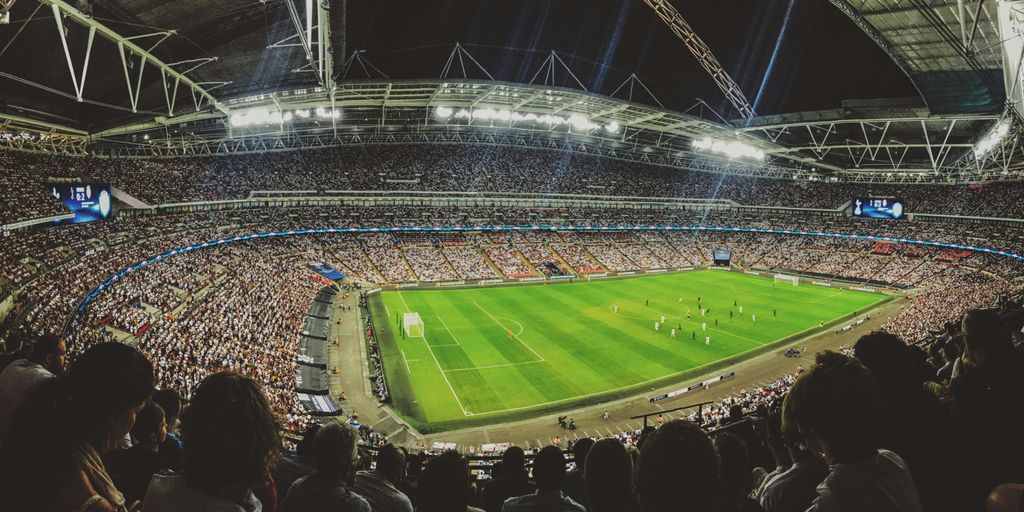
When we start looking at soccer attendance across the globe, it’s pretty clear that some matches just draw bigger crowds than others. International games, especially those in major tournaments, often top the charts. Think about it: World Cup finals, huge derbies between countries with intense rivalries – these are the games people will travel miles to see. It’s not just about the sport; it’s about national pride and being part of something bigger.
The Role of National Teams in Attendance Records
National teams play a huge role in setting attendance records. Here’s why:
- National identity: People feel a stronger connection to their country than to a club.
- Rarity: National team games aren’t as frequent as club matches, making them special events.
- Tournament stakes: Games in the World Cup or Euros have high stakes, drawing massive crowds.
It’s interesting to see how much national pride influences attendance. People who might not regularly follow club soccer will suddenly become die-hard fans when their country is playing. It’s a different kind of passion, and it definitely shows in the stadium numbers.
Cultural Significance of High Attendance Matches
High attendance matches often carry a lot of cultural weight. They’re not just games; they’re events that become part of a nation’s history and identity. For example, certain matches might be linked to important historical events or social movements. The atmosphere at these games is electric, and the memories last a lifetime. These iconic soccer matches are more than just games; they’re cultural touchstones.
The Future of Soccer Attendance
Trends in Soccer Stadium Design
Stadiums are changing, and it’s not just about adding more seats. We’re seeing a move toward more sustainable designs, with features like solar panels and rainwater harvesting systems becoming more common. Also, there’s a big push for better sightlines and more comfortable seating. The goal is to create an experience that’s worth leaving your couch for.
The Role of Technology in Enhancing Fan Experience
Technology is playing a huge role in how we experience soccer games. Think about it: mobile ticketing, interactive stadium maps, and even augmented reality experiences that bring the game to life in new ways.
Here are some ways tech is changing the game:
- Improved Wi-Fi connectivity for fans.
- Apps that let you order food and drinks from your seat.
- Real-time stats and replays on stadium screens.
Predictions for Future Attendance Records
Predicting the future is always tricky, but a few things seem likely. First, as soccer continues to grow in popularity in places like the US and Canada, we’ll probably see attendance records broken. Second, the haunted stadiums that are being built will be bigger and better, with more luxury suites and premium seating options. Finally, the success of leagues like the MLS [MLS Teams] will depend on how well they can attract and retain fans.
It’s not just about the game itself anymore. It’s about creating a whole experience that keeps people coming back for more. Stadiums are becoming entertainment hubs, with restaurants, shops, and other attractions that make them destinations in their own right.
Fan Engagement and Attendance
How Clubs Foster Community Support
Building a strong connection with the local community is super important for any soccer club. It’s not just about the games; it’s about being part of something bigger. Clubs do a bunch of things to make this happen. They might run youth soccer programs, giving kids a chance to learn and play. Some teams partner with local charities, raising money and awareness for important causes. These efforts help create a sense of belonging and make fans feel like they’re part of the club’s family.
- Organizing community events like meet-and-greets with players.
- Offering discounted tickets to local schools and organizations.
- Participating in local festivals and parades.
The Importance of Matchday Experience
The matchday experience can really make or break a fan’s connection to the team. It’s more than just watching the game; it’s the whole atmosphere. Think about it: the energy of the crowd, the food, the music, and the pre-game activities all add up. Clubs are always trying to make this better, adding things like interactive games, better food options, and more comfortable seating. A great matchday experience keeps fans coming back for more. The Supercopa Feminina Betano in Brazil is a great example of a match that created an amazing experience for fans.
Innovative Marketing Strategies to Boost Attendance
To get more people in the stands, clubs are getting creative with their marketing. Social media is a big one, with teams using platforms like Instagram and TikTok to connect with fans and show behind-the-scenes content. They also use data analytics to figure out what fans want and target their marketing efforts. Some clubs are even experimenting with virtual reality and augmented reality to give fans a new way to experience the game. It’s all about finding new ways to get people excited about soccer.
Clubs are always looking for ways to improve fan engagement. This includes things like loyalty programs, personalized emails, and exclusive content for season ticket holders. The goal is to make fans feel valued and appreciated, which in turn leads to higher attendance and a stronger connection to the team.
Final Thoughts on Soccer’s Attendance Records
In conclusion, the world of soccer has seen some truly remarkable attendance records, showcasing the sport’s immense popularity. From thrilling matches that draw in tens of thousands of fans to historic moments that become etched in memory, these stadiums have played a vital role in shaping the soccer landscape. As Major League Soccer continues to grow, fueled by star players and passionate fans, we can expect even more exciting records to be set in the future. Whether you’re a die-hard supporter or a casual observer, the energy of a packed stadium is something special that every soccer fan should experience.
Frequently Asked Questions
What is the highest attendance ever recorded in MLS?
The highest attendance in MLS history is 82,110.
Which stadium has the largest capacity for MLS games?
Charlotte FC’s stadium has the largest capacity.
How does MLS attendance compare to NBA or NHL attendance?
MLS attendance is generally higher than that of the NBA or NHL.
What was the MLS attendance record in 2024?
In 2024, the MLS attendance record was 72,610.
What factors influence attendance at soccer matches?
Star players, team performance, and fan engagement all play a role in attendance.
How have soccer stadiums evolved over time?
Soccer stadiums have become larger and more advanced, improving the fan experience.