
So, you’re standing there, ball on the penalty spot, and it’s just you and the goalkeeper. Sounds simple, right? But we all know it’s not. Penalty kicks can be nerve-wracking, and getting them right takes more than just luck. It’s about technique, practice, and a bit of psychology. Let’s break down how you can nail your penalty kicks every time.
Key Takeaways
- Pick your spot before you approach the ball and stick to it.
- Stay calm and breathe, don’t let pressure get to you.
- Visualize the ball hitting the net before you kick it.
- Balance your power and accuracy for the perfect shot.
- Practice regularly, even under pressure, to build confidence.
Understanding the Basics of Penalty Kick Techniques
Choosing the Right Spot on the Goal
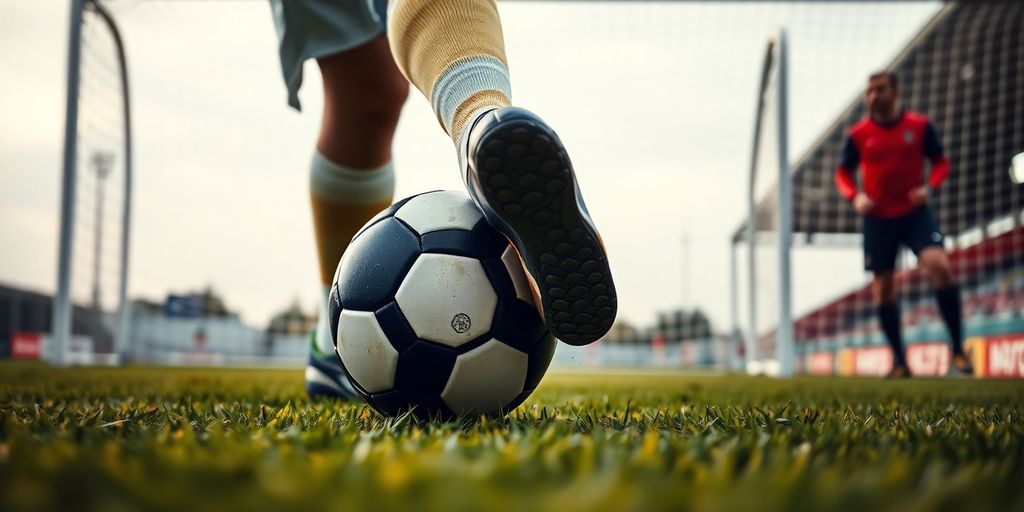
When it comes to penalty kicks, picking the right spot on the goal is like choosing the perfect spot for a picnic—it’s all about comfort and confidence. Most players find success aiming for the bottom corners, as these areas are tough for goalkeepers to reach quickly. Statistically, shots aimed at the bottom left corner have a high success rate, especially for right-footed players. But remember, it’s not just about numbers. You need to feel good about where you’re aiming. Once you’ve picked your spot, stick with it. Changing your mind at the last second can lead to a miss. Just like in life, second-guessing can throw you off your game.
Importance of a Calm Mindset
A calm mind is your best friend during a penalty kick. When you step up to the ball, take a deep breath and clear your thoughts. More than 70% of penalty kicks end in goals, so the odds are in your favor. Don’t overthink it. Focus on the mechanics of your shot and wait for the referee’s whistle. Visualize the ball hitting the back of the net. If you feel the pressure creeping in, remind yourself: you’ve got this. Staying relaxed can be the difference between a goal and a miss.
Visualizing Success Before the Kick
Before you even approach the ball, take a moment to visualize success. Picture the ball soaring past the goalkeeper and hitting the net. This mental rehearsal can boost your confidence and improve your focus. As you approach the ball, keep that image in mind. This isn’t just about dreaming—it’s about preparing your mind to execute the kick flawlessly. The more you practice this, the more natural it will feel. Remember, the battle is often won in your head before it’s won on the field. So, take a second, see the goal, and then make it happen.
Mastering the Physical Aspects of the Kick
Proper Foot Placement and Body Position
Getting your foot placement right is like setting the stage for the perfect shot. Plant your non-kicking foot about six inches to the side of the ball. This gives you balance and control. Your body should lean slightly forward, keeping your center of gravity low. This position helps in maintaining control over the ball and ensures that your kick is both powerful and accurate.
The Role of Follow-Through in Accuracy
The follow-through is crucial for directing the ball where you want it to go. After striking, let your kicking leg continue its motion naturally. This helps in maintaining the ball’s trajectory. A good follow-through not only improves accuracy but also adds power to your shot. Think of it like swinging a golf club; the motion doesn’t stop at the ball.
Balancing Power and Precision
Finding that sweet spot between power and precision is key. Too much power, and you risk losing control; too little, and the ball might not reach the goal. Practice hitting the ball with different parts of your foot. Using the instep gives a blend of power and accuracy, while the laces can deliver a more forceful shot. Experiment to find what works best for you.
"A penalty kick is not just about brute force. It’s about finesse, timing, and knowing your own limits."
To improve your penalty kicks, consider incorporating some essential youth soccer training techniques into your routine. These can help you develop better ball control and shooting accuracy under pressure.
Psychological Strategies for Penalty Kicks
Overcoming Pressure and Anxiety
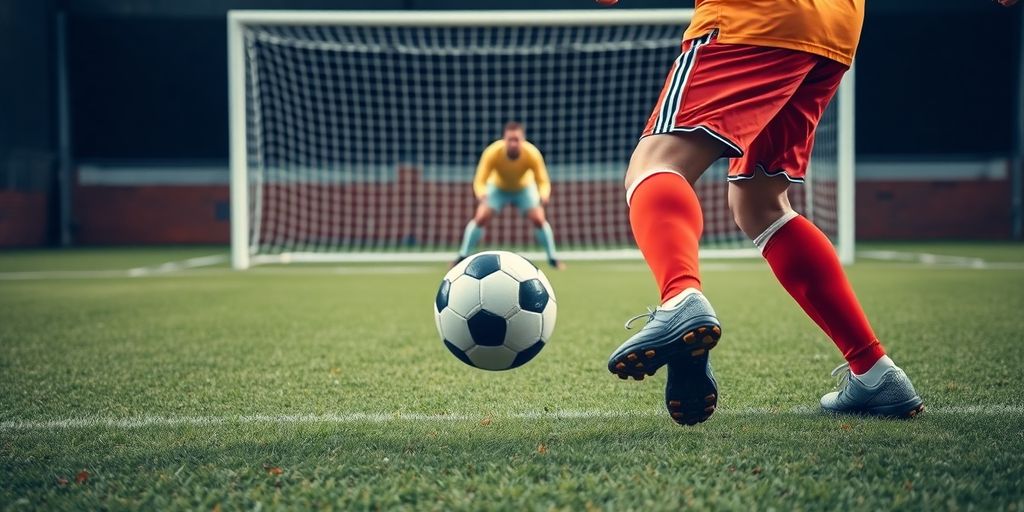
Standing at the penalty spot can feel like the weight of the world is on your shoulders. Remember, the real opponent is your own mind. To combat anxiety, focus on your breathing. Take slow, deep breaths to calm your nerves. Visualize the ball hitting the back of the net. This mental image can help steady your mind and body.
The key is to silence the noise around you and concentrate solely on the task at hand.
Reading the Goalkeeper’s Movements
Many players adopt a keeper-dependent approach, focusing on the goalkeeper rather than the target area. This strategy requires you to observe the keeper’s initial movements. If they lean one way, aim for the opposite corner. However, don’t overthink it; trust your instincts and stick to your decision.
Staying Focused Amidst Distractions
Whether it’s the crowd’s roar or the goalkeeper’s antics, distractions are inevitable. Develop a routine that helps you maintain focus. This could be a specific number of steps back or a particular thought process before the kick. Practice with distractions, like a goalkeeper trying to psych you out, so you’re prepared for game day.
- Establish a pre-kick routine.
- Practice under pressure with noise and movement.
- Use visualization techniques to maintain focus.
Advanced Techniques for Penalty Kicks
Using Curveballs and Spin
Adding spin to a penalty kick can be a game-changer. By striking the ball slightly off-center, you can make it curve through the air, making it harder for the goalkeeper to predict its path. To master this, practice hitting the ball with the inside or outside of your foot and observe how it behaves. Perfecting this technique requires patience and a lot of practice, but once you get the hang of it, it can be incredibly effective.
The Art of the Stutter Step
The stutter step is all about timing and deception. As you approach the ball, use a slight pause or change in speed to throw off the goalkeeper’s timing. This can make the keeper commit to a dive too early, giving you a better chance to place the ball into an open net. To get this right, practice varying your approach speed while maintaining control over your shot. This technique, similar to advanced penalty techniques in FIFA 20, is about using mind games to your advantage.
Deceptive Kicking Techniques
Deception is key in penalty kicks. Techniques like the "Panenka"—a gentle chip down the center of the goal—can be very effective if executed correctly. The trick is to make the goalkeeper believe you’re going for a powerful shot, then surprise them with a light touch. However, use this sparingly; if the keeper doesn’t fall for it, you might end up looking foolish. Practice these deceptive techniques to build confidence and learn when to use them effectively.
Sometimes, the best way to score isn’t about power or speed, but about outsmarting the goalkeeper. By incorporating these advanced techniques, you can add an element of surprise to your penalty kicks, keeping the goalkeeper guessing and increasing your chances of scoring.
Effective Practice Routines for Improvement
Practicing Under Pressure
To really nail your penalty kicks, you gotta practice like it’s the real deal. One way to do this is by creating pressure situations during practice. Try taking penalty kicks when you’re exhausted. After a long session of running or playing, your legs will feel like lead. This is the perfect time to practice your penalty kicks because it mimics the fatigue you’ll feel in a real game situation. Train your mind and body to stay calm and focused even when tired.
Simulating Game Conditions
Practicing in conditions that mimic real game scenarios can boost your performance. Set up a practice session with a goalkeeper who loves to trash talk, or have your friends create distractions, like loud music or heckling. This way, you learn to block out the noise and stay focused on your shot. You could even practice in the rain or with a crowd watching to simulate those high-pressure moments.
Tracking Progress and Setting Goals
Keep track of your practice sessions. Note how many goals you score and what techniques you used. This helps you see improvement over time and figure out what works best for you. Set specific goals, like "I want to score 8 out of 10 penalty kicks in a row," and work towards achieving them. This not only keeps you motivated but also gives you a clear path to improvement.
Practicing penalty kicks is not just about repetition; it’s about creating a routine that prepares you for the unpredictability of a real game. The more you practice under different conditions, the more confident you’ll be when it counts.
Common Mistakes and How to Avoid Them
Avoiding Telegraphed Shots
One common mistake players make is telegraphing their shots. This means giving away your intended direction to the goalkeeper before you even kick the ball. To avoid this, maintain a consistent approach and body language until the very last moment. Keep your eyes focused on the ball rather than telegraphing your intentions with your gaze or body angle. Practicing with a partner who acts as a goalkeeper can help you refine this skill.
Managing Overconfidence
Overconfidence can be just as detrimental as underconfidence. When players believe they can’t miss, they often neglect their technique. Remember, every penalty kick is a new challenge, and it’s crucial to stick to your practiced routine. A healthy level of self-assurance is good, but never underestimate the pressure of the moment.
Learning from Missed Opportunities
Missing a penalty kick can be disheartening, but it’s also a valuable learning opportunity. Analyze what went wrong—was it your focus, technique, or choice of target? Reflect on each missed shot and adjust your practice accordingly. Keep a log of your penalty kicks to track patterns and improvements over time.
"Every missed penalty is a step towards mastering the art of scoring. Embrace the lessons each miss teaches you."
By addressing these common mistakes, you can become more reliable and confident in your penalty kick technique. Consistent practice and reflection are key to improvement. For more on improving your gameplay, consider avoiding common soccer fouls by honing your timing and positioning.
Wrapping It Up
So, there you have it. Nailing that penalty kick isn’t just about luck or raw power. It’s about picking your spot, staying cool under pressure, and practicing until it feels like second nature. Remember, even the pros miss sometimes, so don’t beat yourself up over a few misses. Keep at it, and soon enough, you’ll be the one everyone counts on when it’s time to take that crucial shot. Just keep practicing, trust your instincts, and most importantly, have fun out there. Good luck!
Frequently Asked Questions
How do I choose the best spot to aim for during a penalty kick?
Pick a corner of the goal and aim for it. Visualize your shot going there before you kick. This makes it harder for the goalie to stop your shot.
Why is staying calm important when taking a penalty kick?
Being calm helps you focus on your technique and aim. Take deep breaths to relax and clear your mind before you kick.
How can I practice penalty kicks effectively?
Practice regularly by aiming at different parts of the goal. Simulate game conditions by practicing when you’re tired or under pressure.
What should I do if I miss a penalty kick?
Learn from it and try to understand what went wrong. Practice more and focus on improving your technique for next time.
How can I deal with the pressure of taking a penalty kick?
Focus on your routine and block out distractions. Remember, even the best players miss sometimes, so just do your best.
How important is the follow-through after kicking the ball?
A good follow-through helps with accuracy and power. Make sure to keep your body balanced and follow through with your kick.