
Hey there, soccer enthusiasts! If you’ve ever found yourself scratching your head trying to figure out the best way to line up your team, you’re not alone. Soccer formations can make or break a game, and knowing how to use them is key. From the classic 4-4-2 to the dynamic 3-4-3, each formation has its unique perks and pitfalls. This guide is your go-to for understanding how different formations work, what makes them tick, and how you can pick the right one for your squad. Whether you’re a coach, a player, or just a fan who wants to sound smart at the pub, we’ve got you covered.
Key Takeaways
- Soccer formations are essential for team strategy and can influence the outcome of a game.
- Each formation, like 4-4-2 or 4-3-3, has its strengths and weaknesses based on team dynamics.
- Choosing the right formation depends on the players’ skills and the team’s overall strategy.
- Understanding player roles within a formation helps in executing the game plan effectively.
- Flexibility and adaptability in formations can give a team a competitive edge during matches.
Understanding the 4-4-2 Formation
Key Principles of 4-4-2
The 4-4-2 formation is a classic setup in soccer, well-regarded for its balance and simplicity. It involves four defenders, four midfielders, and two forwards, creating a solid structure that emphasizes both defense and attack. The main principle of this formation is to maintain a strong defensive line while ensuring enough support in the midfield to launch effective counter-attacks. This setup allows teams to cover the field efficiently, making it easier to transition from defense to offense.
Strengths and Weaknesses
One of the major strengths of the 4-4-2 formation is its flexibility and ease of understanding, making it ideal for teams with players who are strong and physical. It allows for a straightforward approach to the game, with clear roles for each player. However, the formation can be vulnerable to teams that play with a packed midfield, as it might struggle to control possession against formations like the 4-3-3.
- Strengths:
- Weaknesses:
Best Player Types for 4-4-2
In a 4-4-2 formation, the ideal players are those who can perform multiple roles efficiently. Midfielders need to be versatile, capable of both defending and supporting attacks. Strikers should be strong and able to hold up the ball, while defenders need to be reliable and quick to react. This formation thrives with players who have good stamina and can maintain high energy levels throughout the match.
"The 4-4-2 formation is like a reliable old friend in soccer. It’s straightforward, effective, and when executed well, it can be a formidable setup against any opponent."
Exploring the 4-3-3 Formation
Tactical Flexibility of 4-3-3
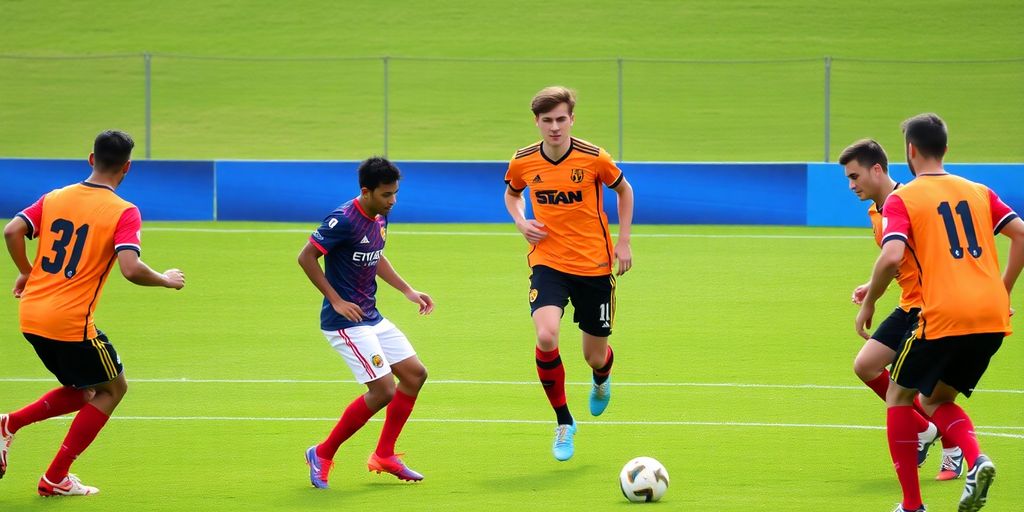
The 4-3-3 formation is like a Swiss army knife for soccer teams. It’s all about versatility. You get four defenders, three midfielders, and three forwards. This setup allows teams to easily shift between attacking and defensive plays. The beauty of the 4-3-3 is its adaptability; whether you’re pushing for a goal or holding the line, it can be tweaked to suit the moment. Teams often use this formation to maintain possession and control the tempo of the game.
Role of Midfielders in 4-3-3
Midfielders in a 4-3-3 are the engine of the team. They have to be dynamic, covering both defensive duties and supporting the attack. Typically, you’ll have a holding midfielder to break up opposition plays and two more advanced midfielders who can distribute the ball and support the forwards. It’s crucial for these players to have excellent stamina and vision, as they’re constantly on the move, linking every part of the team together.
Adapting 4-3-3 for Different Opponents
When facing different teams, the 4-3-3 formation can be adjusted to exploit weaknesses or counter strengths. For instance, against a team with a strong midfield, you might want to drop one of the forwards back to help out in the middle. Alternatively, if the opposition is weak on the wings, pushing your wide players forward can create opportunities. This flexibility makes the 4-3-3 a favorite among coaches who value strategic depth and are looking for a formation that can be tailored to various match situations.
In the 4-3-3 formation, success often hinges on the players’ ability to adapt and execute their roles with precision. It’s not just about sticking to a plan but being able to read the game and adjust accordingly. This requires not only skill but also a deep understanding of the game dynamics.
Mastering the 4-2-3-1 Formation
Balancing Defense and Attack
The 4-2-3-1 formation is all about striking the right balance between defense and offense. It places four defenders at the back, two holding midfielders in front of them, three attacking midfielders, and a lone striker up front. This setup allows teams to maintain a solid defensive line while having enough players to support the attack. The key is in the positioning of the two holding midfielders, who act as a shield for the defense while also initiating attacks. This dual role is crucial for maintaining the team’s structure and flexibility.
Player Roles in 4-2-3-1
Each player in the 4-2-3-1 formation has specific roles that contribute to the overall strategy. The goalkeeper needs to be commanding in the box and quick off the line. The two center-backs are tasked with marking the opposition’s forwards and clearing aerial threats. Full-backs must provide width in attack and retreat quickly to defend. The holding midfielders, often a mix of a destroyer and a passer, control the tempo and break up opposition plays. The three attacking midfielders, including a central playmaker, need creativity and vision to unlock defenses. Finally, the lone striker must be adept at holding up the ball and finishing chances.
Strategic Advantages of 4-2-3-1
The 4-2-3-1 offers several strategic advantages. It provides a strong defensive base while allowing for fluid attacking movements. The formation’s flexibility makes it adaptable to various styles of play, whether focusing on possession or quick counter-attacks. Teams can exploit the width provided by the full-backs and wingers, stretching the opposition’s defense. Additionally, the presence of three attacking midfielders supports the lone striker, creating multiple goal-scoring opportunities. This formation can be a tactical weapon for teams looking to dominate both defensively and offensively.
The Dynamics of the 3-5-2 Formation
Midfield Control in 3-5-2
The 3-5-2 formation is all about dominating the midfield. With five midfielders, teams can control the game by maintaining possession and distributing the ball effectively. This setup is perfect for teams that want to keep the ball and dictate the pace. The central midfielders are key, often taking on the role of playmakers, while the wingbacks provide width and support both in defense and attack.
Transitioning from Defense to Attack
Transitioning quickly from defense to attack is a hallmark of the 3-5-2. When the team wins the ball back, the midfielders and wingbacks need to move swiftly to support the forwards. The two strikers have the freedom to stay high up the pitch, ready to capitalize on quick counter-attacks. This ability to shift gears rapidly can catch opponents off guard, making it a potent strategy against teams that push forward aggressively.
Utilizing Wingbacks Effectively
Wingbacks in a 3-5-2 formation have a lot on their plate. They are expected to cover a lot of ground, supporting the attack while also tracking back to help the defense. Their role is crucial because they provide the width that the formation lacks with only three defenders. A good wingback needs to be versatile, able to cross accurately and defend solidly. They are often the unsung heroes, tirelessly running up and down the flanks to maintain the team’s shape and balance.
The 3-5-2 formation, with its emphasis on midfield strength and quick transitions, offers a unique blend of defensive solidity and attacking potential. It’s a setup that requires discipline and teamwork but can be incredibly rewarding when executed well.
For more insights into how formations like the 3-5-2 can be adapted to different phases of play, check out our detailed soccer tactics guide.
Innovative Approaches with the 3-4-3 Formation
Offensive Strategies in 3-4-3
The 3-4-3 formation is like a Swiss Army knife for offensive play. With its three forwards, it’s built for teams that love to attack. This setup gives you three players right up top, ready to pounce on any chance to score. The midfield, with four players, acts as a bridge, helping to move the ball quickly and efficiently from defense to attack. This formation is perfect for teams that want to keep the pressure on the opposition and create numerous scoring opportunities.
- Wide Play: The wingers in a 3-4-3 are crucial. They need to stretch the play, hugging the touchline to create space for others.
- Interchangeability: Forward players often swap positions, confusing defenders and opening up gaps.
- Quick Passing: Rapid ball movement is key to breaking down defenses.
Defensive Considerations
While the 3-4-3 is attack-minded, it doesn’t mean defense is ignored. The three defenders must be skilled and quick to adapt. They often have to deal with counter-attacks, so positioning and understanding are vital. Midfielders also have to drop back to support the defense when needed.
Balancing attack and defense in a 3-4-3 requires discipline and teamwork. Players need to communicate well and understand their roles.
Player Suitability for 3-4-3
Not every player fits into a 3-4-3 system. Here’s what you need:
- Versatile Defenders: They must be comfortable on the ball and able to cover large areas.
- Dynamic Midfielders: Need to be able to attack and defend, often within the same play.
- Agile Forwards: Quick, with good dribbling skills, and able to exploit spaces.
This formation is all about using players who can adapt and think on their feet. It’s not just about individual talent but how well the team works as a unit.
For more on how formations have evolved over time, check out our soccer tactics evolution page.
Adapting to the 4-5-1 Formation
Midfield Dominance in 4-5-1
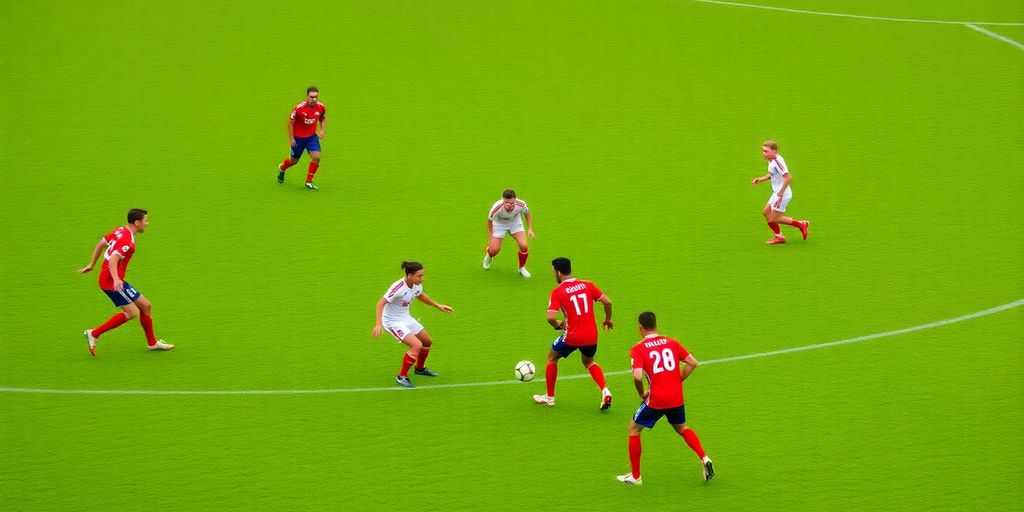
The 4-5-1 formation is all about controlling the midfield. With five midfielders, teams can really crowd the center of the pitch. This makes it tough for opponents to find space and build their play. Dominating the midfield not only disrupts the opposition’s rhythm but also allows for better ball recovery. It’s like having a wall in the middle that opponents have to break through. This setup works wonders for teams looking to stifle attacks and keep things tight at the back.
Counter-Attacking Opportunities
While the 4-5-1 might seem defensive, it has a sneaky side with its counter-attacking potential. The lone forward, supported by wide midfielders, can quickly spring into action once the ball is won. It’s all about exploiting the gaps left by the opponent. Quick, precise passing is key here, and when done right, it can catch opponents off guard, leading to goal-scoring chances.
Defensive Solidity
Defensively, the 4-5-1 is a fortress. The midfield five provide a solid shield in front of the back four, making it hard for the opposition to find a way through. This compactness is crucial for blocking shots and intercepting passes. The formation’s strength lies in its ability to shift and adapt, ensuring that the team stays organized whether pushing up or dropping back.
In the 4-5-1 formation, each player’s role is vital, and maintaining discipline is key to its success. It’s not just about defending; it’s about being ready to pounce on any opportunity to turn defense into attack.
In conclusion, the 4-5-1 is more than just a defensive setup. It’s about balance and being ready to strike when the time is right. Whether you’re holding the line or breaking on the counter, this formation offers a strategic edge in the game.
The Versatility of the 4-2-2-2 Formation
Creating Space with 4-2-2-2
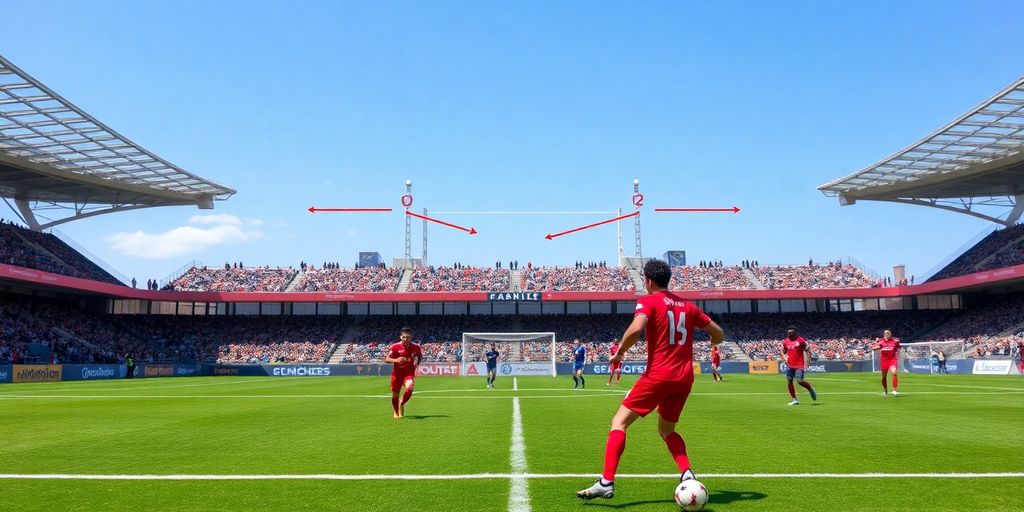
The 4-2-2-2 formation is like a Swiss Army knife for soccer tactics. It’s all about balance and flexibility. With two lines of two in the midfield, it creates a compact yet dynamic setup that can spread out wide when needed. This formation thrives on creating space, especially in the middle of the park. By having two attacking midfielders, teams can stretch the opposition, opening up gaps for the strikers to exploit. This setup is particularly effective when teams use short passes to ensure players are always in support, enhancing teamwork and ball control. Utilizing short passes in this formation can be a game-changer, allowing for quick transitions and maintaining possession.
Balancing Attack and Defense
One of the coolest things about the 4-2-2-2 is how it balances defense and attack. With two defensive midfielders, there’s always a safety net to cover the back four. These players are crucial in breaking up opposition plays and launching counter-attacks. Meanwhile, the two forwards stay ready to pounce on any opportunity. It’s a setup that allows a team to be aggressive in attack without leaving the defense exposed. The midfielders play a key role, shifting seamlessly from defense to attack, making sure the team stays compact and organized.
Player Roles and Responsibilities
In the 4-2-2-2, every player has a specific role. The defensive midfielders are the backbone, protecting the defense and distributing the ball. The attacking midfielders are the creative force, tasked with unlocking defenses and creating chances. Up front, the two strikers work in tandem, constantly moving and looking for openings. This formation demands high energy and discipline from all players, but when executed well, it can dominate both possession and territory. It’s a formation that rewards teamwork and understanding, making it a favorite for many coaches looking to control the game.
Conclusion
So, there you have it. Soccer formations aren’t just about lining up players on the field; they’re about strategy, knowing your team, and playing to your strengths. Whether you’re a fan of the classic 4-4-2 or prefer the flexibility of a 4-3-3, the key is understanding what works best for your squad. Each formation has its perks and pitfalls, and it’s all about finding that sweet spot where your team can shine. So next time you’re watching a game or coaching your team, remember, it’s not just about the players—it’s about how you line them up and make them work together. Happy playing!
Frequently Asked Questions
What is a soccer formation?
A soccer formation is a way to arrange players on the field. It helps teams organize their defense and attack.
Why is the 4-4-2 formation popular?
The 4-4-2 formation is popular because it is balanced and easy for players to understand. It helps in both defending and attacking.
How does the 4-3-3 formation work?
The 4-3-3 formation uses four defenders, three midfielders, and three forwards. This setup helps teams control the ball and attack more.
What is special about the 4-2-3-1 formation?
The 4-2-3-1 formation is special because it balances defense and attack. It allows for strong defense with four defenders and two midfielders, while also supporting the attack with three attacking midfielders and a forward.
How do teams use the 3-5-2 formation?
Teams use the 3-5-2 formation to control the midfield. It has three defenders, five midfielders, and two forwards, which helps in both defending and attacking.
Why do some teams prefer the 4-5-1 formation?
Some teams prefer the 4-5-1 formation because it strengthens the midfield. This helps in controlling the game and makes it hard for opponents to attack.