
Hey there! New to soccer and feeling a bit lost? You’re not alone. This guide is here to help you get a handle on soccer basics, from understanding the game itself to picking your favorite team and even getting to know the players. We’ll break down everything you need to know in a way that’s easy to digest. So, whether you’re watching a game on TV or cheering from the stands, you’ll feel like a pro in no time. Let’s dive into the world of soccer for beginners!
Key Takeaways
- Soccer is a global sport with simple rules: two teams aim to score by getting the ball into the opposing team’s goal.
- Choosing a favorite team can be based on factors like team history, star players, or personal connections.
- Understanding player positions and famous players can enhance your enjoyment of the game.
- Soccer tactics involve various formations and strategies, influenced by the coach’s decisions.
- Engaging with the soccer community, like attending games or joining fan clubs, enriches the experience.
Understanding the Basics of Soccer
The Objective of the Game
Soccer, also known as football in many parts of the world, is a game where two teams of eleven players each aim to score by getting the ball into the opposing team’s net. The team with the most goals at the end of the match wins. It’s a straightforward concept, yet the beauty of the game lies in its simplicity and the skill required to master it.
Key Rules and Regulations
The Laws of Soccer are quite stable and rarely change. They cover everything from the dimensions of the field, which can vary but must fall within specific limits, to the rules about offside positions and fouls. Each team has a goalkeeper who is the only player allowed to use their hands, but only within the penalty area. Matches are played over two halves of 45 minutes each, with a brief halftime break.
Here’s a quick rundown of some essential rules:
- Offside Rule: A player is offside if they are nearer to the opponent’s goal line than both the ball and the second-to-last opponent when the ball is played to them, unless they are in their own half.
- Fouls and Cards: Physical contact is part of the game, but excessive force or dangerous play results in fouls. Yellow cards are issued as warnings, while red cards mean ejection from the game.
- Free Kicks and Penalties: Fouls outside the penalty area result in free kicks, while those inside lead to penalty kicks, giving the fouled team a direct shot at goal.
For more detailed information, check out this beginner-friendly guide which outlines the basic rules of soccer.
Common Terminology
Soccer has its own language that might seem foreign at first. Here are a few terms to get you started:
- Pitch: The field of play.
- Kit: The uniform worn by players.
- Boots: Soccer shoes, known as cleats in the U.S.
- Formation: The arrangement of players on the pitch, like the popular 4-4-2 setup.
Soccer’s charm is in its global reach and the way it brings people together. Whether you’re watching a local match or the World Cup, the thrill of the game is universal.
Choosing Your Favorite Team

Factors to Consider
When you’re new to soccer, picking a team can feel like a daunting task. With so many leagues and clubs, where do you even start? First, think about what draws you to certain teams. Is it their history, the players, or maybe their style of play? Some fans choose based on geography—supporting a local team or one from their hometown. Others might be swayed by a team’s success or the presence of a favorite player. Ultimately, your choice should resonate with you personally.
Popular Teams and Leagues
The English Premier League (EPL) is often the go-to for new fans. It’s known for its competitive matches and is home to legendary clubs like Manchester United, Liverpool, and Chelsea. The EPL is also one of the most accessible, with games broadcast widely. Beyond the EPL, leagues like Spain’s La Liga, Italy’s Serie A, and Germany’s Bundesliga also offer thrilling soccer experiences. Each league has its own flavor, so exploring them can be a fun way to discover what you enjoy most.
Understanding Team Rivalries
Rivalries are a huge part of soccer’s appeal. They bring an added layer of excitement and intensity to matches. Some of the fiercest rivalries include El Clásico between Barcelona and Real Madrid in La Liga, and the North West Derby between Manchester United and Liverpool in the EPL. Understanding these rivalries can deepen your appreciation for the sport and make watching games more engaging. Knowing the history behind these clashes, like why fans are so passionate, adds another dimension to your soccer experience.
Picking a favorite team is more than just choosing a name or a color—it’s about finding a connection. Explore different leagues, watch a variety of games, and let your passion guide you to a team that feels like home.
Familiarizing Yourself with Soccer Players
Recognizing Star Players
Soccer is brimming with talent, and recognizing star players can greatly enhance your enjoyment of the game. These athletes often become icons, not just for their skill but also for their influence on the sport. Players like Lionel Messi and Cristiano Ronaldo have left an indelible mark on soccer history. To truly appreciate the game, get to know the top players in various leagues. This knowledge can help you understand on-field dynamics and appreciate the artistry in their play.
Understanding Player Positions
In soccer, each player has a specific role that contributes to the team’s overall strategy. Here’s a quick breakdown:
- Goalkeeper: The only player allowed to use hands, tasked with defending the goal.
- Defenders: Positioned in front of the goalkeeper, their main job is to stop the opposing team from scoring.
- Midfielders: They connect the defense and offense, often controlling the flow of the game.
- Forwards: Primarily focused on scoring goals and creating offensive opportunities.
Understanding these roles can help you appreciate the strategic tactics involved in soccer, such as formations like 4-4-2 and 4-3-3.
Learning About Player Transfers
Player transfers can be one of the most exciting aspects of soccer. Clubs buy and sell players to strengthen their squads, often leading to dramatic shifts in team performance. The transfer window is a period when clubs negotiate player moves, and it’s filled with speculation and excitement. Keeping an eye on player transfers can give you insights into team strategies and future matchups.
Soccer players are more than just athletes; they’re key to understanding the game. By knowing their roles and tracking their movements, you can gain a deeper appreciation for the sport’s intricacies.
Exploring Soccer Tactics and Strategies

Basic Formations and Their Uses
When diving into soccer, understanding formations is key. A formation is how players are arranged on the field, and it can influence the flow of the game. The 4-4-2 is a classic setup, featuring four defenders, four midfielders, and two forwards. It’s balanced and versatile, great for both attacking and defending. Another popular formation is the 4-3-3, which leans more towards offense with three forwards ready to push the attack. Then there’s the 3-5-2, which focuses on controlling the midfield. Each formation has its strengths and weaknesses, so teams often switch things up depending on their strategy and the opponent.
Offensive and Defensive Tactics
Offensive tactics are all about creating scoring chances. Teams might use “overlapping runs,” where a defender runs past a midfielder to support the attack, or “counter-attacks,” which exploit the opponent’s momentary disorganization after losing the ball. On the flip side, defensive tactics aim to stop these attacks. “Zonal marking” is where defenders cover areas rather than specific players, while “man-to-man marking” involves sticking close to an opponent. Sometimes, teams park the bus, stacking players in front of the goal to hold onto a lead.
The Role of the Coach
A coach in soccer is like a conductor in an orchestra. They’re responsible for deciding the team’s formation and tactics, choosing the starting lineup, and making crucial in-game adjustments. During matches, the coach observes and analyzes the game, looking for weaknesses in the opponent’s strategy. They might make substitutions or change tactics based on what’s happening on the field. Coaches also play a vital role off the field, motivating players and fostering a strong team spirit. Their decisions can make or break a game, highlighting the importance of their role in the team’s success.
Engaging with the Soccer Community
Attending Live Matches
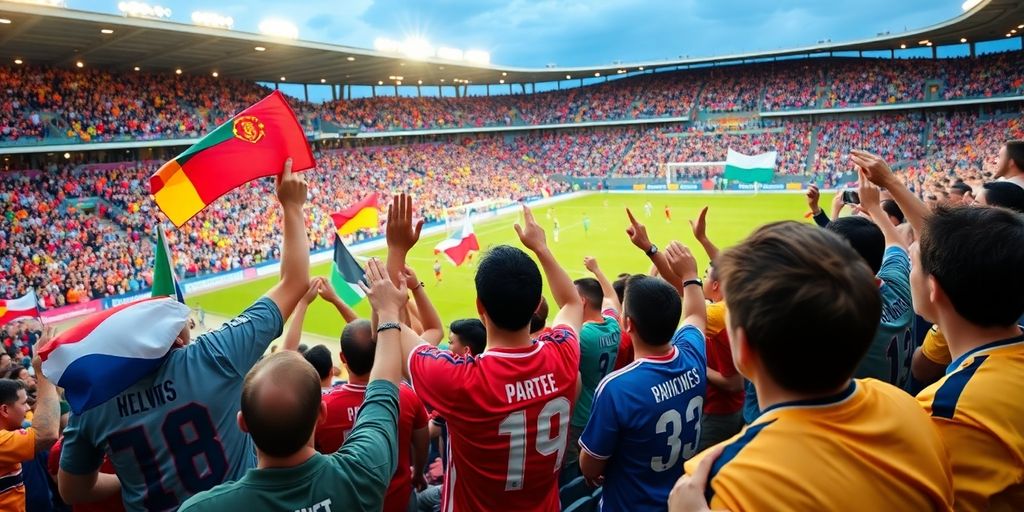
There’s nothing quite like the energy of a live soccer match. The roaring crowd, the chants, and the thrill of seeing your favorite players in action is an experience like no other. Being part of the crowd can make you feel like you’re part of something bigger. If you’re lucky enough to live near a stadium, grab some tickets and immerse yourself in the atmosphere. For those who don’t, consider planning a trip around a big game. It’s a great way to explore new places and enjoy the sport you love.
Joining Fan Clubs and Online Forums
Being part of a fan club or an online forum can really enhance your soccer experience. These communities are great for meeting other fans, sharing insights, and even debating over the latest match results. Most clubs have official fan groups that organize events, watch parties, and even trips to away games. Online forums are also a fantastic way to connect with fans worldwide, discuss matches, and stay updated on team news.
Following Soccer News and Updates
Staying informed about the latest soccer news helps you engage more deeply with the sport. Whether it’s transfer rumors or injury updates, knowing what’s happening keeps you in the loop. Consider subscribing to newsletters or following sports channels that provide regular updates. This way, you can always have something to talk about with fellow fans, whether it’s the latest overview of soccer for beginners or the outcome of a major tournament.
Watching and Enjoying Soccer Matches
Where to Watch Soccer Games
Soccer is everywhere, and finding a place to watch is easier than you might think. Whether it’s on TV or streaming online, there are tons of options. The Premier League games are often shown on NBC Sports, while La Liga and Serie A might be on ESPN or beIN Sports. If you’re more into streaming, services like Peacock and Paramount+ offer live matches. Finding the right platform depends on the leagues you’re interested in.
Understanding Match Commentary
Listening to match commentary can be a whole new experience. Commentators add a layer of excitement and insight, explaining tactics and player movements. They often use specific soccer terminology, which can be a bit confusing at first. But don’t worry, you’ll pick it up quickly. Focus on key phrases like “offside,” “set piece,” and “counterattack.” These terms will help you understand the game flow better.
Tips for Enjoying the Game
- Pick a Comfortable Spot: Whether at home or in a pub, make sure you’re comfortable.
- Invite Friends Over: Watching with friends can make the experience more fun and engaging.
- Snack Time: Prepare some snacks or order your favorite food to enjoy during the match.
Soccer isn’t just a game; it’s an experience. The thrill of watching a match, feeling the tension build, and finally seeing a goal is unmatched. Make it a regular part of your weekend routine, and you’ll soon find yourself caught up in the excitement.
For more insights into becoming a soccer fan, check out Soccer Fan Central, which covers everything from beginner tips to the latest rule changes.
The Cultural Impact of Soccer
Soccer’s Global Influence
Soccer, known as football in most parts of the world, is more than just a sport—it’s a global phenomenon. The game’s influence stretches across continents, uniting people from diverse backgrounds. You can find kids kicking a ball in the streets of Rio, fans chanting in packed European stadiums, or people gathering in pubs across Africa to watch a match. Soccer has this unique power to bring people together, crossing cultural and linguistic barriers. It’s a shared language that everyone can speak, regardless of where they’re from.
Famous Soccer Rivalries
Rivalries in soccer are legendary and often deeply rooted in history, politics, or geography. These matches are not just about the game but about pride and identity. Some of the most famous rivalries include El Clásico between Real Madrid and Barcelona, the North West Derby featuring Manchester United and Liverpool, and the fierce clashes between Boca Juniors and River Plate in Argentina. Fans eagerly anticipate these matches, which are filled with intense passion and drama. The energy in the stadiums during these games is electric, making them unforgettable experiences.
Soccer and Social Issues
Soccer has often been a platform for addressing social issues. Players and clubs have used their influence to promote equality, fight racism, and support various charitable causes. Initiatives like “Kick It Out” and “Common Goal” show how the sport can be a force for good. Moreover, soccer’s role in promoting gender equality has been significant, with the rise of women’s soccer leagues and tournaments gaining more recognition and support. The sport’s ability to shine a light on important social issues underscores its impact beyond just entertainment.
Soccer isn’t just a game; it’s a reflection of society, a mirror showing both its challenges and its triumphs. It’s where the world comes together to celebrate, to compete, and to create lasting memories.
Wrapping Up Your Soccer Journey
So there you have it, a crash course into the world of soccer. Whether you’re just starting to watch or trying to understand what your kid is doing on the field, I hope this guide has made things a bit clearer. Soccer is more than just a game; it’s a global passion that brings people together. Don’t stress about knowing every rule or player right away. Just enjoy the matches, pick a team that speaks to you, and let yourself get swept up in the excitement. Remember, every soccer fan started as a newbie, so embrace the learning curve and have fun with it. Who knows, you might find yourself cheering in the stands sooner than you think!
Understanding the Basics of Soccer
What is the main goal of soccer?
The main goal of soccer is to score more goals than the opposing team by getting the soccer ball into their net.
How many players are on a soccer team?
Each soccer team has 11 players on the field, including the goalkeeper.
What does ‘offside’ mean in soccer?
A player is offside if they are closer to the opponent’s goal line than the ball and the second last opponent when the ball is played to them.
What happens when a player gets a red card?
A red card means the player is sent off the field and cannot be replaced, leaving their team with one less player.
How long is a soccer game?
A standard soccer game is 90 minutes long, divided into two 45-minute halves.
What is a penalty kick?
A penalty kick is awarded when a foul occurs inside the penalty area, giving the fouled team a free shot at the goal from the penalty spot.