
Soccer isn’t just a game; it’s a global force that has shaped politics in surprising ways. From historical events to modern-day movements, soccer’s role in politics is undeniable. It has been used as a tool for propaganda, a platform for expression, and even a diplomatic bridge. But with its influence comes controversy, especially when it comes to economic power and political agendas. As we look to the future, the relationship between soccer and politics continues to evolve, raising questions and challenges that are yet to be answered.
Key Takeaways
- Soccer has historically intersected with politics, influencing change and serving as propaganda.
- In modern times, soccer has played a role in political movements like the Arab Spring.
- The economic impact of soccer can sway political decisions and highlight disparities.
- Soccer acts as a diplomatic tool, bridging divides and impacting negotiations.
- Controversies arise from soccer’s political influence, including sportswashing and agenda debates.
The Historical Intersection of Soccer and Politics
Early Instances of Soccer Influencing Political Change
Soccer has long been more than just a game; it’s been a catalyst for social and political change. Back in the early 20th century, soccer was a platform for workers’ movements across Europe. Clubs often represented political ideologies, becoming symbols of resistance or change. For example, in Spain, FC Barcelona became a beacon of Catalan identity during Franco’s regime.
Soccer as a Tool for Political Propaganda
Governments have used soccer to promote their agendas. During Mussolini’s rule in Italy, the national team was pushed to win the World Cup to showcase fascist strength. Similarly, Argentina’s military junta used the 1978 World Cup to distract from its oppressive regime. Soccer’s global reach makes it a powerful propaganda tool.
Case Studies of Soccer-Driven Political Movements
Soccer has sparked significant political movements. In Brazil, the "Democracia Corinthiana" movement in the 1980s used the sport to protest against military dictatorship, advocating for democracy and freedom. Another example is the role soccer played in the Balkans, where matches between ethnic groups often symbolized deeper political tensions.
Soccer isn’t just a sport; it’s a mirror reflecting society’s struggles and triumphs. From stadiums to streets, the game has influenced political landscapes in ways that few other cultural phenomena can match.
Soccer’s Role in Modern Political Movements
The Arab Spring and Soccer’s Influence
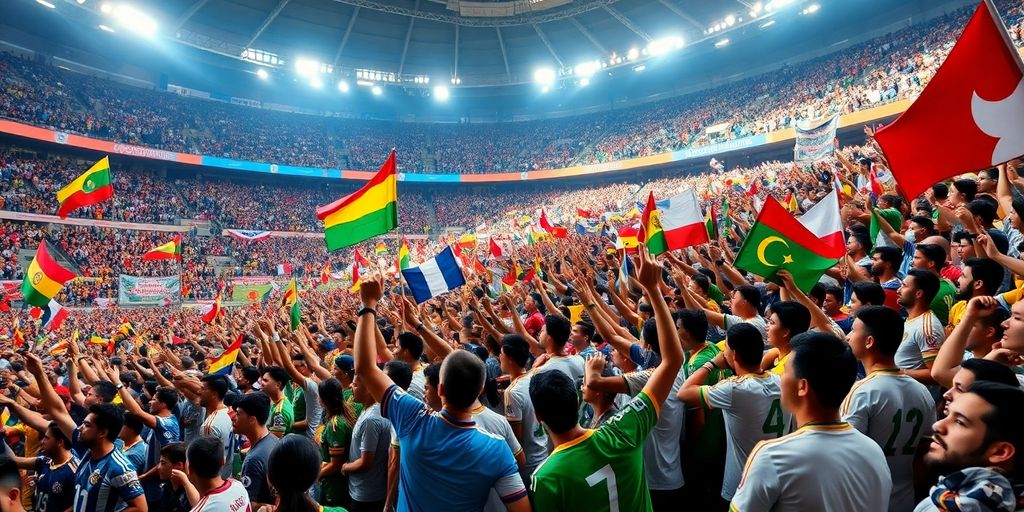
During the Arab Spring, soccer was more than just a game; it was a catalyst for change. In countries like Egypt and Tunisia, soccer stadiums became gathering points for protesters. These venues, often packed with passionate fans, turned into arenas of political discourse. Soccer clubs, with their vast networks and loyal followers, played a crucial role in mobilizing the masses. They provided a platform where political ideas could be shared and amplified, contributing to the momentum of the uprisings.
Soccer as a Platform for Political Expression
Soccer has always been a medium for expressing political views. Players and fans alike use the sport to voice their opinions on pressing issues. From wearing armbands with messages to unfurling banners in the stands, soccer provides a stage for political expression. This visibility can bring attention to causes that might otherwise be overlooked, making soccer a powerful tool in the political landscape.
Recent Examples of Soccer Impacting Political Landscapes
In recent years, soccer has continued to influence political scenarios globally. Whether it’s players taking a knee to protest racial injustice or clubs advocating for social change, the sport remains intertwined with politics. The World Cup and other major tournaments often highlight political tensions and can even sway diplomatic relations. Soccer’s global reach ensures that its political impact is felt worldwide, shaping narratives and influencing decisions.
The Economic Power of Soccer in Political Contexts
How Soccer Economies Influence Political Decisions
Soccer isn’t just a game; it’s a multi-billion-dollar industry that can sway political decisions. Governments often tap into soccer’s economic potential to boost national pride and economic growth. For instance, hosting major tournaments like the World Cup can lead to a surge in infrastructure development, job creation, and tourism. Politicians might use these events to gain favor with the public, leveraging the economic benefits as a sign of effective governance.
The Role of Soccer Investments in Political Strategies
Big investments in soccer can be part of broader political strategies. Countries like Saudi Arabia have been investing heavily in their domestic leagues, aiming to shift global perceptions and enhance their international standing. This strategy, sometimes criticized as sportswashing, involves spending vast sums on acquiring top-tier talent to elevate the league’s profile. Such investments can also be a way to diversify economies and reduce dependence on traditional sectors like oil.
Economic Disparities Highlighted by Soccer
The modern soccer transfer market is a stark example of economic disparity. Wealthy clubs can afford to buy top players, leaving smaller clubs struggling to compete. This imbalance mirrors broader economic inequalities in society. The financial power of clubs often reflects the economic power of their home countries, with richer nations dominating the sport. This dynamic can lead to tensions and debates over fairness and equity in both sports and politics.
Soccer’s economic influence extends beyond the pitch, shaping political landscapes and societal structures. As countries continue to invest in the sport, the interplay between soccer and politics will only deepen, reflecting broader global economic trends.
Soccer as a Diplomatic Tool
Soccer Diplomacy in International Relations
Soccer has quietly stepped into the diplomatic arena, serving as a bridge between nations. It’s not just about the game; it’s about the connections it fosters. Countries have used soccer matches to ease tensions and open dialogues. For instance, during the Cold War, soccer matches between rival nations provided a rare opportunity for interaction and understanding. Soccer, in many ways, acts as a universal language that transcends political barriers.
Case Studies of Soccer Bridging Political Divides
There are numerous examples where soccer has played a pivotal role in mending political rifts. One notable case is the "Football War" between Honduras and El Salvador in 1969, where soccer matches initially sparked conflict but later became a platform for peace talks. More recently, North and South Korea have engaged in joint soccer matches, which have helped ease tensions on the Korean Peninsula. These instances highlight how soccer can be a powerful tool for reconciliation.
The Impact of Soccer on Diplomatic Negotiations
Soccer’s influence extends to diplomatic negotiations, often acting as a catalyst for discussions. The sport provides a neutral ground where leaders can meet and converse in a less formal setting. This was evident during the 2018 World Cup in Russia, where leaders from various countries attended matches and engaged in informal talks. Soccer’s ability to bring people together makes it an effective tool for diplomacy, allowing leaders to connect over a shared passion.
Controversies Surrounding Soccer’s Political Influence
Sportswashing and Its Political Implications
Sportswashing is a term that pops up whenever big money and politics mix in sports. Countries with questionable human rights records often use soccer to polish their image. They host major tournaments or buy famous clubs, hoping the glamour of the game will distract from their political issues. This isn’t just about hiding flaws; it’s also about gaining soft power on the global stage. Critics argue this strategy can dilute the sport’s integrity, turning it into a tool for political agendas rather than just a game.
The Debate Over Soccer’s Role in Political Agendas
Soccer’s involvement in politics isn’t always clean-cut. Some folks think the sport should stay neutral, while others believe it’s a powerful platform for change. This debate heats up when leagues make decisions that seem politically motivated. For example, in 2019, Major League Soccer faced backlash for banning the Iron Front symbol, a move seen by many as stifling free speech. Balancing the game with political stances is tricky, and there’s no one-size-fits-all answer.
Criticism of Soccer’s Involvement in Political Affairs
Soccer’s political entanglements often draw criticism from fans and experts alike. The sport sometimes gets caught up in geopolitical games, where players and clubs become pawns. This can lead to a loss of trust among supporters who feel the game is being used for purposes beyond sport. Transparency and accountability are key concerns, especially when money from opaque sources flows into the game. Without clear oversight, the line between sport and politics can blur, leaving fans questioning the true motives behind the beautiful game.
The Future of Soccer in Political Arenas
Predictions for Soccer’s Political Influence
Soccer’s role in politics is expected to grow even more complex and significant in the coming years. As nations continue to invest in soccer, both as a sport and a diplomatic tool, the political landscape will likely see soccer influencing policy decisions and international relations. Soccer may become a key player in global diplomacy, with countries leveraging their national teams and leagues to foster alliances and negotiate deals.
Potential Political Challenges Facing Soccer
The future isn’t without its hurdles. Soccer faces potential political challenges such as:
- Sportswashing: Countries may use soccer to improve their international image, overshadowing domestic issues.
- Regulatory Conflicts: Different countries have varying rules and regulations, leading to potential clashes.
- Political Boycotts: Events like the World Cup may face boycotts based on the host country’s political stance.
The Evolving Relationship Between Soccer and Politics
Soccer’s relationship with politics is continuously evolving. As seen with the development of White Stadium, where significant resources and political effort are being invested, soccer isn’t just a game—it’s a political tool. This evolution raises questions about the balance between sports and politics, and how they can coexist without compromising the integrity of either field.
Soccer’s influence in politics is not just about the game itself but the power it holds to unite or divide, to inspire change or to maintain the status quo. As we look to the future, the challenge will be in harnessing this power responsibly.
Conclusion
Soccer’s role in political movements is a fascinating mix of passion and power. It’s not just a game; it’s a platform where nations express their ambitions and influence. Whether it’s Saudi Arabia’s big spending in the soccer world or the way fans rally for change, the sport has a unique way of shaping political landscapes. As countries continue to use soccer to make statements, it’s clear that the game will keep playing a part in global politics. Who knew kicking a ball could mean so much?
Frequently Asked Questions
How has soccer been used for political change in the past?
Soccer has been a powerful tool for political change. In history, it has been used to unite people and bring attention to political issues. For example, soccer matches have been platforms for protests and have helped spread important messages.
Can soccer influence political decisions today?
Yes, soccer can influence political decisions even today. It provides a platform for political expression and can highlight social issues, prompting political leaders to take action. Soccer events often draw international attention, making them effective for political messaging.
What is the economic impact of soccer on politics?
Soccer has a huge economic impact on politics. The money involved in soccer can affect political strategies and decisions. Investments in soccer can boost local economies, create jobs, and influence political agendas.
How does soccer act as a diplomatic tool?
Soccer can act as a diplomatic tool by bringing countries together. International matches and tournaments can foster goodwill and cooperation between nations. Soccer diplomacy can bridge political divides and improve international relations.
Are there any controversies about soccer’s role in politics?
Yes, there are controversies surrounding soccer’s role in politics. Some argue that it is used for sportswashing, where countries use sports to improve their image. Others debate whether soccer should be involved in political matters at all.
What might the future hold for soccer’s influence in politics?
The future of soccer’s influence in politics could see it playing an even bigger role. As the sport grows globally, it might face new political challenges and opportunities. The relationship between soccer and politics is likely to keep evolving.