
Ever wonder what it’s like for sports teams that don’t have a permanent home? Imagine playing all your games on the road, always adapting to new places. This article looks into the unique world of international teams with no home stadium, exploring how they manage to build a team and connect with fans even without a fixed base. It’s a tough but interesting way to play, showing how flexible and strong these teams have to be.
Key Takeaways
- The World Nomad Games are a big event that celebrates traditional sports and culture, moving to different places every two years. It’s like the Olympics for nomadic groups.
- Beyond just sports, these Games also show off nomadic culture through things like the Ethno-aul, which is a cultural village. This helps keep old traditions alive.
- One of the most exciting sports is Kokpar, which is basically rugby played on horseback using a dead goat. It’s super physical and shows the skill of the riders.
- The opening ceremony is a huge spectacle, with many athletes and performers. It tells the story of the Kazakh steppe and brings together different nomadic groups.
- Even though Astana is a very modern city, it hosts these Games, blending new buildings with old traditions. It’s a surprising spot for such an ancient celebration, and it’s also one of the coldest capitals in the world.
The World Nomad Games: A Global Gathering
The World Nomad Games? Never heard of it until recently, but it’s pretty cool. Think of it as a mix between the Highland Games and some festival you’d find in Mongolia, but with way more horses. It’s basically the Olympics, but for nomadic sports and culture.
Celebrating Traditional Sports and Culture
These games aren’t just about winning; they’re about keeping old traditions alive. You’ve got everything from archery to horseback wrestling, and even strongman competitions that test skills needed for survival on the steppe. It’s a way to show off and preserve nomadic culture, which is getting harder to do with the world changing so fast. It’s a real chance to see unique playing styles in action.
A Biennial Event with Shifting Locations
What’s interesting is that the World Nomad Games happen every two years, and they move around. It’s like the Games themselves are nomadic! The next one is supposed to be back in Kyrgyzstan in 2026, which is where it all started back in 2014. Moving the location keeps things fresh and gives different countries a chance to show off their own nomadic heritage.
The Olympics of the Nomadic World
They call it the "Great Gathering on the Steppe," which sounds epic, right? It’s meant to be a huge celebration of identity and culture from all over inner Asia. The goal is to protect nomadic traditions that are threatened by things like globalization and even climate change. It’s a big deal for the people involved.
A Celebration of Nomadic Culture
The World Nomad Games aren’t just about sports; they’re a full-on cultural immersion. It’s like stepping into a living museum, where traditions are not just displayed but actively lived and celebrated. You get a real sense of the nomadic spirit that has shaped these cultures for centuries.
Beyond the Sporting Arena
While the sporting events are definitely a highlight, the cultural aspects of the World Nomad Games are just as important. It’s a chance to see traditions that might otherwise be lost to time. Think of it as a way to experience something truly unique, something that goes beyond the typical tourist experience. The Games try to preserve and protect nomadic and steppe culture, which is under increasing threat from globalisation, modernisation and even climate change.
The Ethno-aul: A Cultural Village
The Ethno-aul, which means village in Kazakh, is at the heart of the Games. It’s a collection of yurts, craft shops, and local restaurants. You’ll see reenactors dressed as medieval warriors and musicians performing ancient folk songs. It’s like stepping back in time, and it gives you a real feel for the history and traditions of the nomadic people. It’s a vibrant hub of activity and a must-see for anyone attending the Games.
Preserving Steppe Heritage
The goal of the World Nomad Games is to preserve and protect nomadic and steppe culture. These cultures are facing increasing threats from globalization and modernization. The Games provide a platform to showcase these traditions and ensure they are passed down to future generations. It’s a celebration of identity and a way to keep the nomadic spirit alive. The opening ceremony was a spectacular affair.
The Games are more than just a competition; they are a way to honor the past and ensure that the traditions of the nomadic people continue to thrive in the modern world. It’s a reminder of the importance of cultural preservation and the value of diversity.
Central Asia’s Wildest Sport
Kokpar: Rugby on Horseback
Okay, so you think you know sports? Think again. Let me introduce you to kokpar, also known as kok buru, ulak tartysh, or buzkashi, depending on where you are. Imagine rugby, but on horseback, and instead of a ball, it’s a goat carcass. Yeah, you read that right. It’s as wild as it sounds, maybe even wilder. It’s a Games favorite for a reason!
The Rules of the Game
So, how does this madness work? Two teams of horsemen battle it out. The goal? Snatch the headless carcass (they use a rubber one now, thankfully), hoist it, and charge towards the opponent’s goal line. Then, you gotta dump it in a ring. Sounds simple, right? Wrong. It’s a brutal game. Think broken fingers and ripped ears. Players need to be strong, brave, and, well, not afraid of a little chaos. It’s not for the faint of heart, that’s for sure. It’s a true test of horsemanship and grit. The Central Asian games are not for the faint of heart.
Kazakhstan’s Victory
Recently, thousands of fans watched Kazakhstan take on Kyrgyzstan in the final. It was intense, going into extra time. The home team, Kazakhstan, pulled out a win against their rivals. The crowd went wild. It’s more than just a game; it’s a matter of national pride.
Kokpar is more than just a sport; it’s a reflection of the nomadic spirit. It embodies strength, skill, and a deep connection to the horse. It’s a reminder of a time when survival depended on these very qualities.
A Spectacular Opening Ceremony
The opening ceremony of the World Nomad Games is something else. It’s not just a parade of athletes; it’s a full-blown cultural explosion. Think vibrant colors, traditional music, and a whole lot of national pride. It really sets the stage for the entire event.
Thousands of Athletes and Performers
The sheer scale of the opening ceremony is impressive. Thousands of athletes from dozens of countries participate, marching in with their flags held high. But it’s not just athletes; there are also hundreds, sometimes thousands, of performers involved. Dancers, musicians, singers – all showcasing the rich cultural heritage of the nomadic world. It’s a massive undertaking that requires months of preparation.
Tracing the History of the Kazakh Steppe
The ceremony often includes a theatrical performance that tells the story of the host nation and the broader nomadic world. In Kazakhstan, this means tracing the history of the Kazakh steppe, from ancient warriors to Silk Road traders. These performances aren’t just historical reenactments; they’re a way to connect the present with the past, reminding everyone of the traditions and values that the Games celebrate. It’s like a history lesson, but way more entertaining. You can also check soccer stadium attendance to see how many people attend these events.
Symbolic Gatherings of Nomadic Confederations
One of the coolest parts of the opening ceremony is the symbolic representation of nomadic confederations. Performers often depict scenes of people gathering under the embroidered panels of a yurt, which is a nod to the historical gatherings where leaders were chosen. It’s a powerful reminder of the importance of unity and cooperation among nomadic peoples. It’s also a visually stunning spectacle, with intricate costumes and elaborate set designs.
The opening ceremony is more than just a show; it’s a statement. It’s a celebration of nomadic culture, a reminder of shared history, and a symbol of unity. It sets the tone for the entire Games, reminding everyone of the values and traditions that are at the heart of this unique event.
Kazakhstan’s Glittering City
Astana: An Unlikely Host
Okay, so Astana (now Nur-Sultan again, I guess) might seem like a weird place to celebrate nomadic culture, right? I mean, you’ve got this super modern city popping up in the middle of the steppe. It’s like they’re trying to make up for centuries of not building anything permanent. It’s definitely a contrast.
Modern Architecture Meets Ancient Traditions
The architecture in Astana is wild. We’re talking futuristic buildings designed by famous architects. It’s got this Central Asian Dubai vibe, even though it’s way colder. You wouldn’t necessarily think of yurts and horse riding when you see those skyscrapers. It’s a trip.
The World’s Second Coldest Capital
Speaking of cold, Astana is seriously chilly. It’s the second coldest capital in the world, after Ulaanbaatar. Imagine playing Kokpar in that weather! You’d need some serious layers. But hey, maybe the cold keeps the tourists away, preserving the authenticity of the nomadic games. Or maybe not. Either way, it’s cold. If you are planning a trip to unusual soccer stadium locations soccer stadium locations, make sure to pack warm clothes.
The Spirit of International Teams With No Home Stadium
Embracing a Nomadic Identity
For some teams, the lack of a fixed home isn’t a disadvantage; it’s a defining characteristic. These teams often represent diasporas or nations without established sporting infrastructure. They carry the hopes of a scattered people, turning every match into a symbolic homecoming, regardless of the location. It’s about more than just the game; it’s about identity and belonging.
Adaptability and Resilience in Global Sports
Life on the road demands a unique kind of toughness. These teams face constant changes in environment, culture, and even playing conditions. Adaptability becomes their greatest asset. They learn to:
- Adjust to different time zones.
- Navigate unfamiliar customs.
- Perform under pressure, knowing their supporters are spread across the globe.
This constant state of flux can forge an incredible bond among team members. They rely on each other, creating a tight-knit unit that thrives in the face of adversity.
Building Community Without a Fixed Base
How do you create a fan base when you don’t have a home stadium? It’s a challenge, but these teams find innovative ways to connect. They use social media, online platforms, and even organize events in different cities to engage with their supporters. It’s about building a virtual community, a network of fans who share a common identity and passion, regardless of where they are. This is especially true when publicly funded stadiums are not an option.
Challenges for International Teams With No Home Stadium
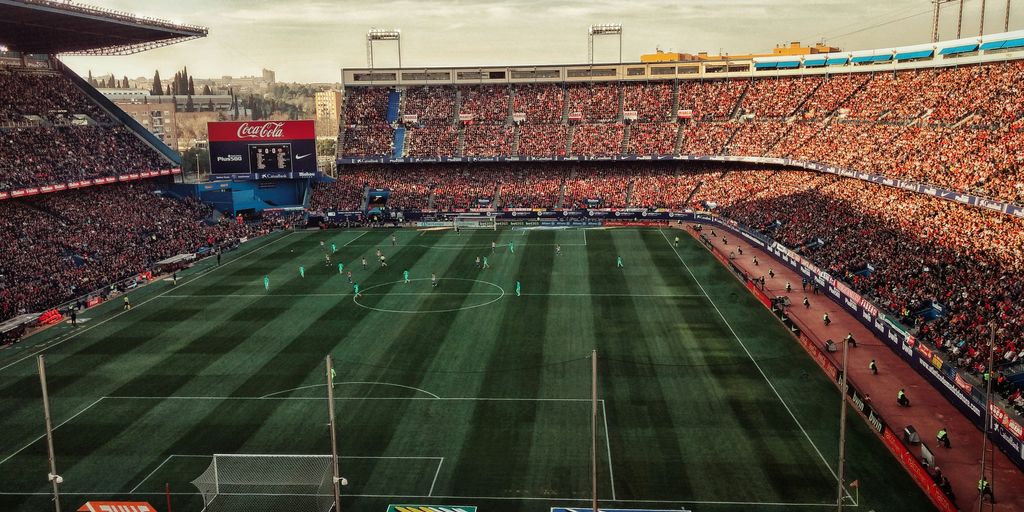
It sounds glamorous, this whole ‘nomad’ thing, but let’s be real – it’s not all sunshine and roses for international teams without a fixed home. There are some serious hurdles they have to jump over.
Logistical Complexities of Constant Travel
Okay, so imagine trying to run a sports team when you’re always on the move. It’s a logistical nightmare. Booking flights, finding accommodation, transporting equipment – it all adds up. And don’t even get me started on visas. It’s a constant juggling act, and one slip-up can throw everything off. It’s not just about getting from point A to point B; it’s about doing it efficiently and without breaking the bank. The cost of constant travel alone can be a huge burden, especially for smaller teams.
Maintaining Team Cohesion on the Road
Team cohesion is hard enough to build when you see each other every day, let alone when you’re scattered across the globe. Living out of suitcases can take a toll on players’ mental and physical health. It’s tough to build those bonds when you’re constantly in transit. Plus, different time zones and cultures can create communication barriers. It takes a special kind of team to stay united under those conditions.
Connecting with a Dispersed Fan Base
This is a big one. How do you build a loyal fan base when you don’t have a home stadium? It’s a real challenge. You can’t rely on ticket sales or local support. Instead, you have to get creative with social media, online streaming, and merchandise. It’s about building a virtual community and making fans feel connected, even if they can’t physically be there. It’s about finding ways to engage with fans from all over the world and make them feel like they’re part of something special. It’s a different ballgame, for sure.
It’s a constant battle to create a sense of belonging and identity when you’re always on the move. These teams have to work extra hard to build a community, both within the team and with their fans. It’s not easy, but when they pull it off, it’s pretty amazing.
The Future of Global Teams
So, what does all this mean for sports teams without a permanent home? It’s pretty clear that these ‘global nomads’ are changing the game, literally. They show us that you don’t always need a big stadium to build a strong team or a loyal fan base. It’s more about the people, the passion, and how well they play together, no matter where they are. This whole setup might even become more common as the world gets smaller and travel gets easier. It’s a cool idea, and it definitely makes you think about what ‘home’ really means in sports these days.
Frequently Asked Questions
What are the World Nomad Games?
The World Nomad Games are a big event that happens every two years. It’s like the Olympics, but for traditional sports and cultures from nomadic groups, especially from Central Asia.
Why are the World Nomad Games important?
These games are super important because they help keep old nomadic traditions, sports, and ways of life alive. They show off the rich history of groups like those from the steppe, making sure these cultures aren’t forgotten.
What is Kokpar?
Kokpar is a wild sport played on horseback. Imagine rugby, but with riders trying to grab and carry a headless goat carcass (it’s rubber for the games!) into a goal. It’s tough, fast-paced, and a real show of skill and bravery.
Where do the World Nomad Games take place?
The games are held in different places each time, just like nomads move around. The first one was in Kyrgyzstan in 2014, and it often goes back there. This year, it was in Astana, Kazakhstan.
What is Astana like?
Astana is the capital city of Kazakhstan. It’s known for its really modern buildings and cool architecture, which might seem odd for a celebration of ancient nomadic culture. It’s also one of the coldest capital cities in the world!
How do international teams without a home stadium manage?
Teams without a fixed home base, like some international sports teams, learn to be very flexible and strong. They build connections with each other and their fans even though they’re always traveling, showing how adaptable they can be in global sports.