
Soccer, or football as many call it, is a sport that unites people across the globe. From massive international contests to regional showdowns, the world of soccer is rich with tournaments that capture the hearts of millions. If you’re a fan or just curious, here’s a look at the top soccer tournaments that stand out worldwide.
Key Takeaways
- The FIFA World Cup is the most prestigious soccer tournament globally, attracting fans from every corner of the world.
- UEFA European Championship is a major competition in Europe, featuring top national teams.
- Copa America is renowned for its passionate atmosphere and is the oldest international tournament.
- The African Cup of Nations showcases the best teams from the African continent.
- The UEFA Champions League features the best club teams from Europe, offering thrilling matches every year.
1. The FIFA World Cup
The FIFA World Cup is the ultimate soccer showdown, held every four years and captivating fans worldwide. This grand event brings together national teams from all over the globe, each vying for the prestigious trophy. The tournament kicked off in 1930, with Uruguay taking home the first title. Since then, it has grown into a massive spectacle, only pausing during World War II in 1942 and 1946.
The World Cup is more than just a soccer tournament; it’s a global celebration of talent and unity. The competition format has evolved over the years, with the upcoming 2026 tournament set to feature 48 teams hosted across the United States, Mexico, and Canada. This will be the first time three countries co-host, promising a unique experience for fans and players alike.
Here’s a quick look at what makes the World Cup so special:
- Historic Moments: From Diego Maradona’s ‘Hand of God’ to Zinedine Zidane’s headbutt, the World Cup has seen it all.
- Legendary Players: Icons like Pelé, Lionel Messi, and Cristiano Ronaldo have all graced this stage, leaving their mark on soccer history.
- Unforgettable Matches: Thrilling games like the 1950 "Maracanazo" or the 2014 Germany vs. Brazil match keep fans talking for years.
The World Cup is not just about the matches; it’s about the stories, the dreams, and the unity it brings to people from different corners of the world. As the tournament evolves, it continues to inspire and connect soccer lovers everywhere.
Looking ahead, future tournaments promise to expand its reach and impact, further fostering global unity through the love of the game. The anticipation and excitement build as each tournament approaches, making it a must-watch event for soccer fans everywhere.
2. UEFA European Championship
The UEFA European Championship, often called the Euro, is a big deal in European soccer. It happens every four years, right in the middle of World Cup cycles. This tournament is all about finding the best national team in Europe, and it’s been going strong since 1960.
Currently, 24 national teams get to compete for the title of European Champion. The next championship is set to take place in Germany from June 14 to July 14, 2024. Matches will be hosted in ten different cities, each offering something unique for fans and players alike.
Winning the Euro is a huge achievement for any national team. It’s not just about the trophy; it’s about pride, history, and showing the world what you’re made of.
Here’s a quick look at some of the most successful teams in the tournament’s history:
- Spain: Leading with four titles.
- Germany: Close behind with three wins.
- Italy and France: Each with notable victories.
The UEFA European Championship has seen ten different national teams claim victory across seventeen tournaments. It’s a stage where legends are born and unforgettable moments happen. Whether you’re a die-hard fan or just love a good soccer match, the Euro never disappoints.
3. Copa America
The Copa America is a thrilling spectacle that brings together the top national teams from South America. It’s not just any tournament; it’s the oldest international soccer competition in the world. First kicking off in 1916, it was initially held annually but has settled into a more predictable four-year cycle.
Key Highlights:
- Historic Roots: Originating as a celebration of Argentina’s centennial, it has grown into a major event on the global soccer calendar.
- Passionate Matches: Known for its electric atmospheres, the tournament showcases some of the most intense rivalries and passionate fans.
- Legendary Players: Many of the greatest soccer legends have graced the Copa America stage, adding to its rich history.
The Copa America isn’t just about soccer; it’s a cultural phenomenon that captivates millions with its blend of skill, passion, and history.
Recent Developments:
- The next tournament is expected to be hosted by Ecuador in 2024, promising another chapter of thrilling matches and unforgettable moments.
- With powerhouse teams like Brazil, Argentina, and Uruguay, the competition remains fierce and unpredictable.
For more insights into the world of soccer, including South American clubs and their electrifying tournaments, stay tuned for upcoming updates.
4. African Cup of Nations
The African Cup of Nations, often referred to as AFCON, is the premier football tournament on the African continent. Initiated by the Confederation of African Football (CAF) in 1957, it showcases the best national teams in Africa. Held biennially, this tournament has grown significantly since its inception.
Historical Background
- 1957: The first tournament featured only three teams: Egypt, Sudan, and Ethiopia. South Africa was excluded due to its apartheid policies.
- Expansion: Over the years, the competition expanded to include more teams, with 24 teams currently competing.
Notable Achievements
- Egypt holds the record for the most titles, having won the competition seven times.
- Ghana was the first nation to win the tournament three times, achieving this in 1978.
Recent Developments
- The 2023 edition is set to take place in Ivory Coast, although it has been postponed to January 2024 due to weather concerns.
- Matches will be held in six venues across five cities, with the final at the Stade National de la Côte d’Ivoire in Abidjan.
The African Cup of Nations is more than just a football tournament; it’s a celebration of African unity and sporting excellence. Fans across the continent eagerly anticipate each edition, hoping their nation will rise to glory.
Key Moments
- Egypt’s Triumph over the host nation in a thrilling final marked a significant moment in AFCON history.
- The tournament has seen many memorable matches and legendary players who have left an indelible mark on African football.
5. AFC Asian Cup
The AFC Asian Cup is the pinnacle of men’s soccer competition in Asia, organized by the Asian Football Confederation (AFC) every four years. This tournament brings together the top national teams from across the continent, showcasing the best of Asian soccer talent. It’s a platform where nations compete fiercely for the title of champion of Asia, reflecting the growing passion and skill in the region.
Key Features of the AFC Asian Cup
- Frequency: Held every four years.
- Participants: Only AFC member nations are eligible to participate.
- Qualification: Teams must go through rigorous qualifying rounds to earn a spot in the tournament.
Historical Context
The first tournament took place in 1956, and since then, it has grown in prestige and scale. Initially, the competition featured only a handful of teams, but it has expanded significantly over the years. The tournament now includes 24 teams, making it a truly continental event.
Impact on Asian Soccer
The AFC Asian Cup has been instrumental in increasing the popularity and quality of soccer across Asia. Countries like Japan, South Korea, and Australia have emerged as strong contenders, often showcasing their prowess on the international stage. This tournament has also played a vital role in uniting diverse cultures and communities through the shared love of soccer.
The AFC Asian Cup is more than just a tournament; it’s a celebration of soccer’s ability to bring nations together, transcending cultural and linguistic barriers.
Recent Developments
In recent years, the competition has seen increased investment and interest, with countries like China and India witnessing significant growth in soccer viewership and infrastructure. This trend is expected to continue, further elevating the status of the AFC Asian Cup on the global stage.
6. The CONCACAF Gold Cup
The CONCACAF Gold Cup is the major soccer tournament for national teams in North America, Central America, and the Caribbean. Since its inception in 1991, it has become a vital part of the soccer calendar in the region. Held every two years, the competition showcases the best teams and players from the CONCACAF region.
History and Format
The tournament was first hosted in the United States, which remains a frequent venue, although Mexico has also hosted a couple of editions. Typically, the competition features 16 teams, battling it out in a format that includes group stages followed by knockout rounds. This setup ensures a thrilling contest, as teams must perform consistently well to advance.
Notable Achievements
- The United States and Mexico have dominated the tournament, with both nations frequently reaching the finals.
- Canada, however, pulled off a stunning victory in 2000, showcasing the growing talent in the region.
- The Gold Cup has served as a platform for emerging talents to shine on an international stage.
Importance in the Region
The CONCACAF Gold Cup is more than just a tournament; it’s a celebration of soccer culture in the region. It brings together diverse nations, fostering unity and showcasing the passion for the game. As soccer continues to grow in popularity, particularly in the U.S., the Gold Cup plays a crucial role in elevating the sport’s profile.
The Gold Cup remains a key event for teams in the CONCACAF region, providing not only the chance for glory but also an opportunity to qualify for other prestigious tournaments, such as the FIFA Confederations Cup. With each edition, the tournament continues to captivate fans and players alike, making it a cornerstone of soccer in the Americas.
7. UEFA Champions League
The UEFA Champions League is a big deal in European soccer, like the crown jewel of club competitions. It started way back in 1955 as the European Cup, and then got a facelift in 1992, becoming the Champions League we know today. This tournament pulls in the best clubs from across Europe, all gunning for the top spot.
Real Madrid is the standout team here, having bagged the title a record number of times. AC Milan and Liverpool are also top contenders, with impressive track records.
Key Points:
- The tournament kicks off with a group stage, followed by knockout rounds. It’s a rollercoaster ride of soccer action.
- Clubs from top European leagues like the English Premier League, La Liga, and Serie A compete fiercely.
- The final is usually held in a different city each year, making it a global event.
The UEFA Champions League isn’t just a competition; it’s a celebration of soccer, bringing together fans from all over the world to witness the best of the best.
For those interested in the 2024 UEFA Champions League, you can dive into detailed season statistics, club and player stats, top scorers, and highlights. It’s all available with live updates on UEFA.tv.
8. UEFA Europa League
The UEFA Europa League stands as Europe’s second-tier club competition, trailing only the renowned UEFA Champions League. Initially known as the UEFA Cup, it was rebranded in 2009 to revamp its format and appeal.
History and Format
The competition began in 1971, offering a stage for clubs that didn’t qualify for the Champions League. The format includes a group stage followed by knockout rounds, culminating in a thrilling final. Clubs from all over Europe battle it out, making it a melting pot of styles and tactics.
Significance and Impact
Winning the Europa League is not just about the trophy; it grants entry to the following season’s Champions League, adding an extra layer of motivation for participating teams. This dual reward system keeps the competition fierce and exciting.
Memorable Moments
- Eintracht Frankfurt’s Triumph: In 2022, Eintracht Frankfurt clinched the title in Seville, a memorable win that secured them a Champions League spot.
- Sevilla’s Dominance: Sevilla FC has been particularly successful, with multiple victories, showcasing their knack for European competitions.
- Dramatic Finals: The tournament has witnessed some nail-biting finals, often going down to the wire, keeping fans on the edge of their seats.
The UEFA Europa League is more than just a competition; it’s a celebration of soccer’s diversity and unpredictability. Clubs from various backgrounds come together, each hoping to etch their name in European football history.
In essence, the UEFA Europa League embodies the spirit of soccer, where dreams are made, and legends are born. It’s a testament to the game’s global appeal, uniting fans and players in a shared passion for the sport.
9. Copa Libertadores
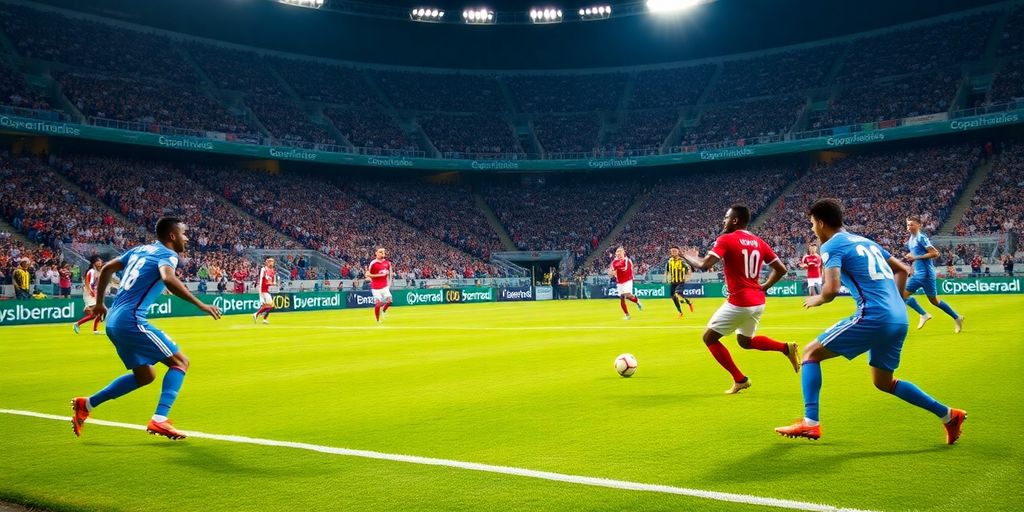
The Copa Libertadores is the crown jewel of South American club soccer. This annual tournament pits the top teams from across the continent against one another, all vying for the prestigious title. Since its inception in 1960, the Copa Libertadores has been a stage where legends are born and rivalries are intensified.
History and Format
Originally, the competition was exclusive to league champions from each country. However, since 1966, it’s expanded to include runners-up, making it even more competitive. The tournament mirrors the European Champions Cup in its format, with group stages followed by knockout rounds.
Notable Achievements
- Flamengo, a powerhouse in Brazilian soccer, claimed their third title in 2022.
- The tournament has seen Brazilian teams dominate in recent years, with the finals often featuring at least one Brazilian club.
- Clubs from Argentina, like Boca Juniors and River Plate, have also left a significant mark on the tournament’s history.
The Fan Experience
The Copa Libertadores is not just about the soccer; it’s an event that brings together fans from all over South America. The atmosphere is electric, with passionate supporters creating a vibrant backdrop to the matches.
The Copa Libertadores is more than a tournament; it’s a celebration of South American soccer culture. The passion, the drama, and the history make it a must-watch for any soccer enthusiast.
For those interested in the broader impact of soccer, the evolution of the sport offers a fascinating glimpse into how soccer has become a global phenomenon.
10. AFC Champions League
The AFC Champions League is the premier club football tournament in Asia, bringing together the best teams from across the continent. Clubs battle it out for the prestigious title, which is akin to the UEFA Champions League in Europe. Winning this tournament is a major achievement for any Asian club.
Key Features
- The tournament features clubs from countries like Japan, South Korea, China, and more.
- It consists of a group stage followed by knockout rounds, culminating in a final to determine the champion.
- The winner of the AFC Champions League earns a spot in the FIFA Club World Cup.
Recent Developments
- The AFC Champions League Elite showcases the results, fixtures, tables, and news for the 2024-2025 season.
- Recent changes in format have increased the competitiveness and viewership of the league.
The AFC Champions League is an exciting showcase of football talent, where clubs not only compete for the glory but also for the pride of representing their nation on an international stage.
11. Premier League
The Premier League, often hailed as one of the most exciting football leagues globally, is the top tier of English football. Featuring 20 teams, this league is renowned for its intense competition and unpredictable outcomes. Each season, which kicks off in August and wraps up in May, sees every team playing 38 matches. They face each opponent twice—once at their home ground and once away.
The league’s format is simple yet thrilling. Teams earn three points for a win, one for a draw, and none for a loss. At the season’s end, the team with the most points is crowned the champion, while the bottom three teams face relegation to the Championship.
Key Features of the Premier League
- Global Reach: The Premier League’s matches are broadcast in over 200 countries, reaching an audience of millions.
- Financial Power: With lucrative TV deals and sponsorships, it’s one of the wealthiest leagues.
- Star Players: It attracts top talent from around the world, making it a melting pot of footballing skills.
The Premier League isn’t just about football; it’s a cultural phenomenon that captures the hearts of fans worldwide. The drama, the passion, and the unexpected twists make it a unique sporting spectacle.
For more insights into the Premier League’s structure and its thrilling matches, check out our detailed overview.
12. Spanish Football League
The Spanish Football League, commonly known as La Liga, is a powerhouse in European soccer. Established in 1928, it’s gained a reputation for being the most competitive league across Europe. This league is often dubbed the ‘Star League’ due to its high-caliber teams and players, with many of the world’s top talents eager to play here.
Key Features of La Liga
- Top Clubs: Home to legendary clubs like Real Madrid and FC Barcelona, which have a massive fan following worldwide.
- Intense Rivalries: Matches like El Clásico between Real Madrid and Barcelona are watched by millions globally.
- Global Reach: Broadcasted in over 180 countries, making it one of the most viewed soccer leagues.
Famous Players
La Liga has been graced by some of the greatest soccer players, including Lionel Messi, Cristiano Ronaldo, and more recently, young stars like Vinícius Júnior.
"La Liga’s charm lies in its blend of tradition and modernity, offering a unique soccer experience that captivates fans year after year."
Financial Dynamics
While the Premier League might offer higher salaries due to its lucrative broadcasting deals, La Liga relies on its rich history and focus on player development. This creates a different financial landscape, impacting how clubs operate and attract talent.
League Structure
- Number of Teams: 20
- Season Duration: August to May
- Relegation System: The bottom three teams are relegated to the Segunda División, while the top three from Segunda are promoted.
La Liga isn’t just about soccer; it’s a cultural phenomenon that reflects Spain’s passion and flair for the sport. Whether you’re a die-hard fan or a casual viewer, the excitement of La Liga is undeniable.
13. Serie A
Serie A, Italy’s top-tier football league, is where the magic happens. Known for its tactical gameplay and passionate fans, Serie A has been home to legendary players and unforgettable matches. It’s not just a league; it’s a footballing tradition.
Key Features of Serie A
- Tactical Mastery: Serie A is famous for its strategic and defensive style of play, often referred to as "Catenaccio."
- Historic Clubs: Teams like Juventus, AC Milan, and Inter Milan have dominated the league and European competitions.
- Passionate Derbies: The league boasts some of the most heated rivalries, such as the Derby della Madonnina and the Derby d’Italia.
Memorable Moments
- Juventus’ dominance in the 2010s, winning nine consecutive titles.
- The dramatic rise of Napoli in the late 1980s, led by Diego Maradona.
Serie A is not just about the matches; it’s about the stories that unfold, the legends that are born, and the passion that fuels every game.
For more on unforgettable soccer moments, check out our top 10 greatest soccer matches of all time, where Serie A’s influence is undeniable.
14. FA Cup
The FA Cup is like the granddaddy of all soccer tournaments. It’s the oldest soccer competition in the world, kicking off way back in 1871. Over the years, it’s become the most prestigious knockout tournament in English soccer. This is where legends are made and dreams come true for underdogs.
A Stage for Underdogs
One of the coolest things about the FA Cup is how it gives the little guys a shot at glory. Smaller clubs get the chance to face off against the big boys, and sometimes, they even pull off shocking upsets. It’s not just about winning; it’s about making history.
Historic Winners
Arsenal holds the record with 14 wins, making them the most successful club in the tournament’s history. Manchester United isn’t far behind, boasting 12 victories. Liverpool are the current holders, having clinched the title in a thrilling final.
The Wembley Tradition
Every year, the final showdown happens at Wembley Stadium in London. This iconic venue, often called the "home of soccer," has seen countless memorable matches. Fans from all over the country gather here, creating an electric atmosphere that’s hard to beat.
Memorable Moments
- Giant-killings: Smaller teams knocking out Premier League giants.
- Last-minute goals: Matches decided in the dying moments.
- Penalty shootouts that keep everyone on the edge of their seats.
The FA Cup is more than just a tournament; it’s a celebration of the unpredictable nature of soccer, where anything can happen, and often does.
For those who love the thrill of the game, visiting iconic soccer stadiums where FA Cup magic happens is a must. From Wembley to other legendary grounds, these venues are steeped in history and passion.
15. Copa Del Rey
The Copa Del Rey, Spain’s oldest soccer tournament, kicked off in 1903. Known as the King’s Cup, it’s a knockout competition that has witnessed countless iconic moments in soccer history. Barcelona holds the record for the most wins, claiming the title 31 times, which is a testament to their dominance in Spanish football.
Key Facts about Copa Del Rey
- Established: 1903
- Most Successful Club: FC Barcelona
- Current Champions: Real Betis (2022)
The tournament is a thrilling spectacle, drawing in clubs from all tiers of Spanish football. It’s not just the giants like Barcelona and Real Madrid who compete; smaller clubs also have their moments to shine. This makes the Copa Del Rey a fan favorite, as it often delivers unexpected twists and underdog victories.
Every year, the final is held in a different city, adding a unique flavor to the event. Cities like Madrid, Barcelona, and Seville have all played host, combining their rich soccer culture with the excitement of the cup.
The Copa Del Rey isn’t just about the trophy; it’s about the journey. From the early rounds to the final whistle, each match is a chance for clubs to etch their names into Spanish football folklore. For fans, it’s a rollercoaster of emotions, and for players, it’s a chance to make history.
16. UEFA Super Cup
The UEFA Super Cup is an annual football match that pits the winners of the UEFA Champions League against the champions of the UEFA Europa League. This thrilling event is a highlight for fans as it often features some of Europe’s top clubs battling it out for continental supremacy.
The match is usually held in August, serving as a curtain-raiser for the new European club season. Unlike some tournaments that span weeks or months, the Super Cup is a one-off game, which means there’s no room for error. Teams must be at their best from the first whistle.
Key Points:
- Origin: The competition was first held in 1972, and it has grown in prestige over the years.
- Format: It’s a single match, and if the score is tied after 90 minutes, extra time and potentially a penalty shootout determine the winner.
- Venue: The location changes each year, allowing different cities to host this exciting event.
The UEFA Super Cup is more than just a trophy; it’s a chance for clubs to showcase their prowess and for fans to witness a unique clash of champions.
For those who love the drama and excitement of soccer, the Super Cup never fails to deliver memorable moments. It’s not just about winning; it’s about making a statement at the start of the season. From unexpected upsets to dazzling displays of skill, this match encapsulates the spirit of European football.
In recent years, the Super Cup has seen some unforgettable iconic soccer matches that have added to its allure, reminding us of the passion and unpredictability that make soccer such a beloved sport.
17. FIFA Club World Cup
The FIFA Club World Cup is a unique tournament that brings together the champions of each continent’s premier club competitions. It’s a global showdown that crowns the best club team in the world. Held annually, this competition features teams from Europe, South America, Asia, Africa, North America, and Oceania.
Format and Structure
- Participants: The tournament usually includes seven teams: the winners of the AFC Champions League, CAF Champions League, CONCACAF Champions League, CONMEBOL Libertadores, OFC Champions League, UEFA Champions League, and the host nation’s league champion.
- Structure: Matches are played in a knockout format, starting with a play-off between the host nation’s team and the OFC champion. The tournament progresses through quarter-finals, semi-finals, and the final.
Recent Developments
In recent years, there have been discussions about expanding the tournament to include more teams, which could make it even more exciting. The idea is to create a bigger stage for clubs from all over the world to showcase their talents.
The FIFA Club World Cup is more than just a competition; it’s a celebration of club football’s diversity and a chance for teams to compete on a global platform.
For a guided tour of the new FIFA Club World Cup, including teams and schedule, keep an eye on the latest updates.
Notable Moments
- In 2019, Liverpool FC won their first FIFA Club World Cup, defeating Flamengo in a thrilling final.
- Real Madrid holds the record for the most titles, with four victories as of 2023.
- The tournament has seen memorable performances from clubs across the globe, highlighting the universal appeal of soccer.
Future Prospects
The FIFA Club World Cup continues to grow in prestige and popularity, with potential plans for expansion and increased participation. Fans around the world eagerly anticipate each edition, hoping to see their favorite clubs compete for the ultimate club honor.
18. FIFA Women’s World Cup
The FIFA Women’s World Cup stands as a pinnacle event in women’s soccer, showcasing talent, passion, and competitive spirit from around the world. Held every four years, this tournament brings together 32 national teams, all vying for the coveted title of World Cup Champion.
A Global Stage
The tournament’s global reach is undeniable, with matches broadcasted to millions, inspiring young athletes everywhere. The 2023 edition, hosted by Australia and New Zealand, was a spectacular display of skill and sportsmanship, set against the stunning backdrops of nine cities.
Notable Achievements
- The expansion from 24 to 32 teams in 2023 marked a significant step in promoting women’s soccer globally.
- The tournament has been a platform for addressing important issues like gender equality and pay disparity in sports.
- Iconic players have emerged from this tournament, leaving a lasting impact on the sport.
Future Prospects
The future of the FIFA Women’s World Cup looks bright as more young girls engage in soccer, breaking barriers and paving the way for the next generation of players.
Impact on Women’s Soccer
This tournament not only elevates the profile of women’s soccer but also highlights the ongoing need for development and support at the grassroots level. As the sport continues to grow, the FIFA Women’s World Cup remains a beacon of hope and progress for female athletes worldwide.
19. Olympic Games Football
Football at the Olympics is a big deal, but not in the same way as the World Cup or the Euros. It’s unique because it’s part of a larger event—the Olympics—where many sports come together. The Olympic football tournament is a mix of young talent and a few seasoned pros. For the men’s teams, there’s an age limit: players have to be under 23, but each team can bring three older players. This rule makes it a showcase for upcoming stars. The women’s teams, however, don’t have any age restrictions, allowing them to field their best players.
Men’s and Women’s Tournaments
- Men’s Tournament:
- Age limit for players: Under-23.
- Three over-age players allowed per team.
- Women’s Tournament:
- No age restrictions.
- Teams can include their top players.
Historical Highlights
- The 1900 Summer Olympics marked the first time football was included, with only three teams.
- The Olympics have seen many future stars make their mark before hitting the big leagues.
The Olympic football event isn’t just about winning. It’s a chance for young players to shine on a global stage, often setting the scene for their future careers.
Format and Structure
- Held every four years, aligning with the Summer Olympics.
- Features teams from all over the world, providing a diverse competition.
- Matches are held in various stadiums across the host country, adding to the event’s excitement.
The Olympic football tournament might not have the same prestige as other tournaments, but it’s a critical stepping stone for many athletes. It’s where dreams begin, and legends are born.
20. UEFA Nations League
The UEFA Nations League is a relatively new addition to the international soccer scene, having been established in 2018. It’s designed to enhance competitive balance and reduce the number of meaningless friendlies. With 55 European national teams participating, the tournament is divided into four leagues (A, B, C, and D) based on team rankings.
Tournament Structure
- League A: The top teams compete here, vying for the championship title.
- League B and C: Teams aim to climb the ranks for a chance to move up to League A.
- League D: The lowest-ranked teams compete, with the opportunity for promotion.
Promotion and Relegation
What sets the Nations League apart is its promotion and relegation system, which keeps the competition dynamic and engaging. Teams have the chance to move between leagues based on their performance.
Finals and Winners
The top teams in League A face off in a mini-tournament to determine the overall champion. This format has produced exciting matches and unexpected victors.
The UEFA Nations League has quickly become a fan favorite, offering a fresh take on international competition and ensuring every match counts.
For those interested in the broader context of soccer’s evolution, including insights into player dynamics and memorable matches, the Premier League offers a fascinating backdrop to the ever-changing world of soccer.
21. Asian Cup
The Asian Cup is a major soccer tournament organized by the Asian Football Confederation (AFC). It’s held every four years and is the most prestigious competition for national teams in Asia. The tournament was first held in 1956, and since then, it has grown in both size and reputation.
History and Significance
- The inaugural tournament took place in Hong Kong with just four teams. Over the years, it has expanded to include 24 teams.
- The Asian Cup serves as a platform for Asian teams to showcase their talent on an international stage.
- Winning the Asian Cup is a significant achievement for any Asian nation, marking them as the continent’s best.
Format
The tournament starts with a qualification phase, where teams compete to secure a spot in the final tournament. The main event consists of a group stage followed by knockout rounds, culminating in the final match.
Notable Moments
- Japan, South Korea, and Saudi Arabia have been dominant forces, with Japan winning the cup four times.
- The 2007 tournament was notable for being hosted by four countries: Indonesia, Malaysia, Thailand, and Vietnam.
The Asian Cup isn’t just a competition; it’s a celebration of soccer across a region rich in culture and diversity.
Future Prospects
With soccer’s growing popularity in Asia, the Asian Cup is expected to continue expanding its influence, drawing more fans and higher levels of competition.
The Asian Cup is more than just a tournament; it plays a vital role in uniting the diverse nations of Asia through a shared love for soccer. It’s a testament to how soccer transcends language and cultural barriers, promoting peace and understanding across the continent.
22. Copa do Brasil
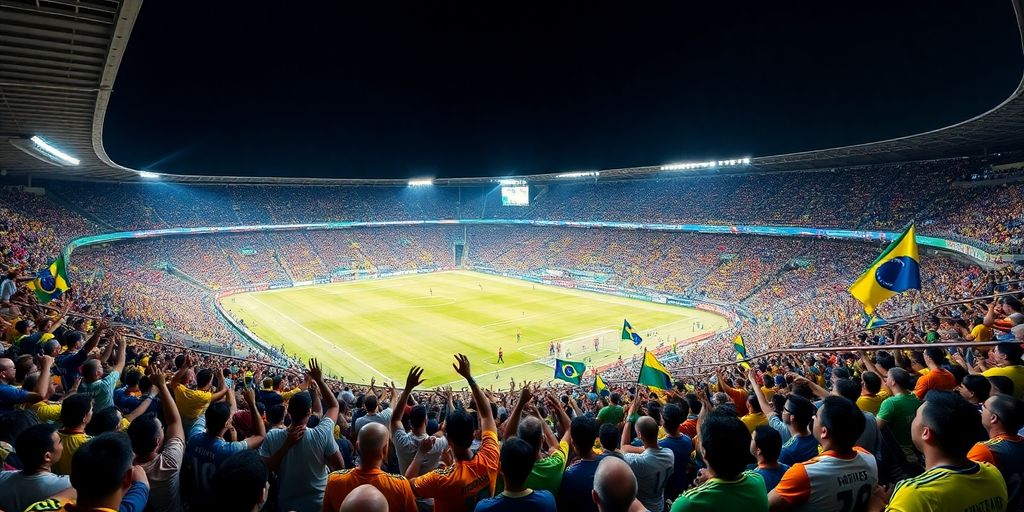
The Copa do Brasil is a major knockout soccer tournament in Brazil, featuring teams from all over the country. It’s not just a battle of skill but also a test of endurance, as teams from various divisions compete for the prestigious title. Winning the Copa do Brasil is a dream for many clubs, as it guarantees a spot in the Copa Libertadores, South America’s top club competition.
Key Features of the Tournament:
- Format: The tournament is played in a knockout format, with two-legged ties in each round.
- Participants: Open to clubs from all levels of Brazilian soccer, including lower-tier teams.
- Prize: Besides the trophy, the winner earns a place in the next season’s Copa Libertadores.
Memorable Moments:
- Giant Killings: Lower division teams often upset top-tier clubs, making the tournament unpredictable.
- Historic Finals: Matches that have gone down in history for their drama and excitement.
- Legendary Players: Many Brazilian stars have showcased their skills in this tournament.
The Copa do Brasil captures the essence of Brazilian soccer with its blend of passion, unpredictability, and raw talent. It’s a celebration of the sport in a country where soccer is more than just a game—it’s a way of life.
For fans, attending a match in the iconic stadiums around Brazil is an unforgettable experience, filled with the electric atmosphere that only Brazilian soccer can provide. The Copa do Brasil is not just about winning; it’s about the journey, the stories, and the dreams that come alive on the pitch.
23. DFB-Pokal
The DFB-Pokal, Germany’s premier knockout football cup competition, is a tournament that captures the essence of unpredictability in soccer. Every year, teams from across the German football league system compete for this prestigious cup, offering fans thrilling matches filled with unexpected turns.
History and Format
The DFB-Pokal was first held in 1935 and has grown to include 64 teams in the main tournament. These teams come from the Bundesliga, 2. Bundesliga, and regional cup winners, making it a diverse and inclusive competition.
Memorable Moments
- Giant-killing acts: Smaller clubs often steal the spotlight by defeating top-tier teams.
- Historic finals: Matches like Bayern Munich vs. Borussia Dortmund have delivered unforgettable clashes.
- Dramatic penalties: Games often end in tense penalty shootouts, keeping fans on the edge of their seats.
Key Teams
Some of the most successful clubs in the DFB-Pokal include:
- Bayern Munich
- Borussia Dortmund
- Werder Bremen
The beauty of the DFB-Pokal lies in its ability to bring together teams from all levels, creating a unique atmosphere where anything can happen.
For more insights on match results involving prominent football clubs, check out the detailed summaries from recent seasons.
24. Scottish Cup

The Scottish Cup is a cornerstone of Scottish football, showcasing the passion and talent that thrives in the country. As the oldest national trophy in the world, having first kicked off in 1873, it holds a special place in the hearts of fans. Winning the Scottish Cup is a dream for every club in Scotland, from the giants to the underdogs.
History and Significance
- Established in 1873, making it the oldest national trophy.
- Known for its thrilling and unpredictable matches.
- Provides a platform for smaller clubs to shine on a national stage.
Format and Structure
- Open to all clubs in the Scottish Professional Football League.
- The tournament follows a knockout format.
- Typically, the final is held at Hampden Park in Glasgow, a venue steeped in history.
Memorable Moments
- Celtic’s "Invincible" season in 2016-2017, where they won without losing a single match.
- Partick Thistle’s shocking victory in 1921, a classic underdog story.
- The fierce rivalry between Rangers and Celtic, often culminating in dramatic finals.
The Scottish Cup isn’t just a tournament; it’s a celebration of Scotland’s footballing heritage, uniting fans and players in a shared love for the game.
Key Players and Teams
- Celtic and Rangers are the most successful clubs, with numerous victories.
- Historic performances by players like Kenny Dalglish and Ally McCoist.
The Scottish Cup continues to be a vital part of Scotland’s rich football culture, offering excitement and drama to fans year after year. It’s more than just a competition; it’s a symbol of the sport’s enduring legacy in the country. For those dreaming of becoming a professional player, the Scottish Cup represents both a challenge and an opportunity to showcase their skills on one of the sport’s most storied stages.
25. MLS Cup and more
The MLS Cup is the crowning achievement in Major League Soccer, showcasing the best teams from the United States and Canada. It’s not just about the trophy; it’s about the journey these teams take throughout the season to reach the pinnacle of North American soccer.
Key Highlights
- Championship Match: The MLS Cup final is the ultimate showdown, where two teams battle it out for the championship title. The atmosphere is electric, with fans creating a vibrant and passionate environment.
- Historic Wins: The LA Galaxy’s sixth MLS Cup victory is a testament to their dominance in the league, with Gastón Brugman shining as the most valuable player in the decisive match.
- Emerging Stars: Every season, new talents emerge, making a name for themselves on this grand stage.
Other Notable Tournaments
While the MLS Cup is a major highlight, several other competitions are worth mentioning:
- U.S. Open Cup: This is one of the oldest soccer tournaments in the U.S., allowing teams from various leagues to compete.
- Leagues Cup: A relatively new competition that pits MLS teams against those from the Mexican Liga MX, fostering a friendly rivalry.
- Concacaf Champions Cup: The top clubs from North America, Central America, and the Caribbean compete for regional glory.
Soccer in North America is growing rapidly, with tournaments like the MLS Cup leading the charge. The passion, skill, and dedication of the players and fans make every match a thrilling experience.
These tournaments contribute significantly to the soccer culture in the region, providing a platform for clubs to showcase their talent and for fans to unite in support of their teams. Whether it’s the established prestige of the MLS Cup or the exciting potential of newer competitions, there’s always something to look forward to in North American soccer.
Conclusion
Soccer tournaments are more than just games; they’re a celebration of culture, passion, and unity. From the grand spectacle of the FIFA World Cup to the intense rivalries in the UEFA Champions League, each tournament offers something unique. Whether you’re a die-hard fan or a casual viewer, these events bring people together, creating memories that last a lifetime. So, whether you’re watching from the stands or your living room, enjoy the beautiful game and all the excitement it brings.
The FIFA World Cup
What is the FIFA World Cup?
The FIFA World Cup is the biggest soccer tournament in the world, held every four years, where national teams compete for the title of world champion.
How often does the FIFA World Cup take place?
The FIFA World Cup is held every four years, bringing together teams from around the globe to compete for the championship.
Who can participate in the FIFA World Cup?
National teams from FIFA’s member countries can participate, with teams qualifying through regional competitions.
When was the first FIFA World Cup held?
The first FIFA World Cup was held in 1930 in Uruguay.
How many teams compete in the FIFA World Cup?
As of the 2026 tournament, 48 teams will compete in the FIFA World Cup.
Where will the next FIFA World Cup be held?
The next FIFA World Cup will be held in 2026, hosted by the United States, Canada, and Mexico.