

Soccer is full of unbelievable moments, but nothing beats the sheer hilarity and shock of an own goal. These are the times when players accidentally score against their own team, leaving fans in disbelief and sometimes laughing out loud. Whether it’s a bizarre deflection, a misjudged pass, or just plain bad luck, these moments are unforgettable. Let’s dive into some of the weirdest own goals ever scored in soccer history.
Key Takeaways
- Own goals can happen in the most unexpected ways, from beach balls on the field to miscommunication between teammates.
- Long-distance own goals are rare but jaw-dropping when they occur, showing how unpredictable soccer can be.
- Some own goals are the result of protests or deliberate actions, adding a layer of controversy to the game.
- Moments of miscommunication often lead to the most cringe-worthy own goals, reminding us that teamwork is everything.
- Even the World Cup, soccer’s grandest stage, isn’t immune to shocking own goals that leave fans talking for years.
When Beach Balls Decide Matches
Darren Bent’s Unforgettable Strike Against Liverpool
Imagine this: a Premier League match between Sunderland and Liverpool in 2009, and the ball is rolling into the penalty area. Out of nowhere, a red beach ball—yes, a beach ball—deflects Darren Bent’s shot into the net. The Liverpool goalkeeper, Pepe Reina, was left completely baffled, diving for the wrong ball. The referee allowed the goal, sparking outrage and laughter worldwide. It was a moment that made fans question how such a bizarre incident could impact a professional game.
The Balloon Chaos in Sheffield United vs. Manchester City
In 2008, Sheffield United faced Manchester City in an FA Cup match that turned into a comedy of errors. Fans had thrown dozens of balloons onto the pitch, and when a cross came into the City box, the ball ricocheted off one of the balloons, confusing the defenders. Sheffield United capitalized, scoring a goal that left Manchester City’s players and fans fuming. It was a surreal scene and a reminder that even balloons can change the course of a match.
How Objects on the Field Change the Game
Foreign objects like beach balls and balloons aren’t just quirky interruptions—they can alter the trajectory of games in shocking ways. Here are a few reasons why:
- Unpredictable Deflections: Objects can deflect the ball in ways players can’t anticipate.
- Goalkeeper Distraction: Like in Bent’s goal, keepers can be tricked into reacting to the wrong object.
- Rule Ambiguity: Referees often struggle to decide whether to stop play or let it continue, leading to controversial decisions.
Moments like these remind us that soccer isn’t just about skill and tactics—it’s also about the unexpected. Whether it’s a beach ball or a balloon, the game can turn on the strangest of events.
The Long-Distance Wonders
Jason Cundy’s 75-Yard Tackle-Turned-Goal
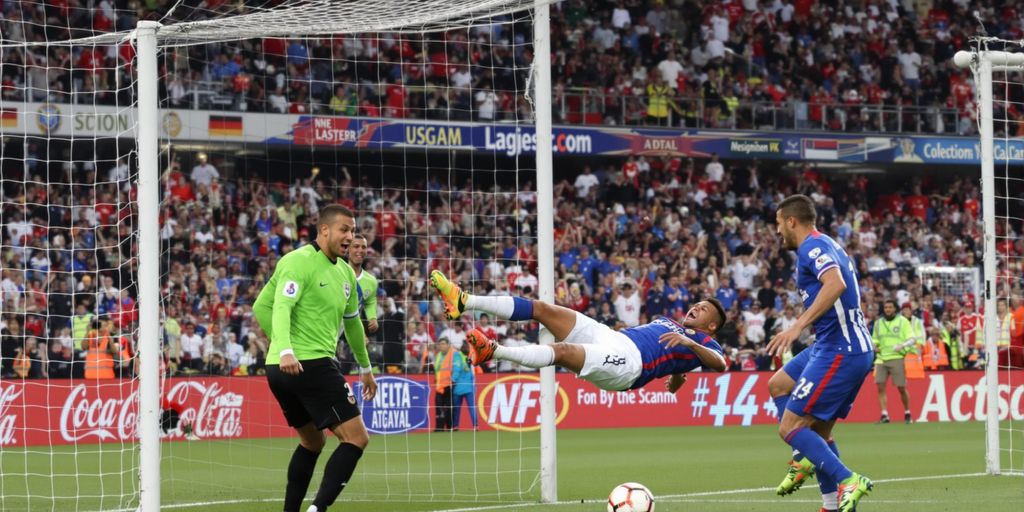
Some goals are so bizarre that they leave both players and fans scratching their heads. Jason Cundy’s 75-yard "tackle-turned-goal" is one of those moments. Playing for Ipswich Town against Queens Park Rangers in 1992, Cundy launched a seemingly harmless clearance from his own half. But then, the ball took an incredible bounce, sailing over the opposing goalkeeper and into the net. It wasn’t just a goal—it was a physics-defying miracle. This freak occurrence highlighted how unpredictable soccer can be, with even the most defensive actions sometimes leading to unforgettable moments.
Domenico Zampaglione’s Incredible Lob
In 2011, Domenico Zampaglione made headlines in the Italian lower leagues with a goal that looked more like a trick shot than an accident. From the halfway line, Zampaglione launched a perfectly-placed lob that caught the opposing goalkeeper completely off guard. The ball soared high, dipped dramatically, and nestled into the back of the net. It was the kind of goal that makes you wonder: was it sheer skill, or just a lucky punt? Either way, it’s a reminder that sometimes, audacity pays off in soccer.
Unexpected Goals From the Other Half
Long-distance goals aren’t as rare as you might think, but they’re always a spectacle. Here are three reasons why they happen:
- Windy Conditions: A strong gust can turn a routine clearance into an unstoppable strike.
- Goalkeeper Positioning: When keepers stray too far from their line, they’re vulnerable to ambitious shots.
- Unpredictable Ball Trajectories: Modern soccer balls are designed for speed and movement, but that also makes them harder to predict.
Long-distance goals remind us that in soccer, even the impossible can become reality. Whether it’s a fluke or a masterpiece, these moments are etched into the sport’s folklore.
Moments of Miscommunication
The Infamous Atiba Hutchinson Own Goal
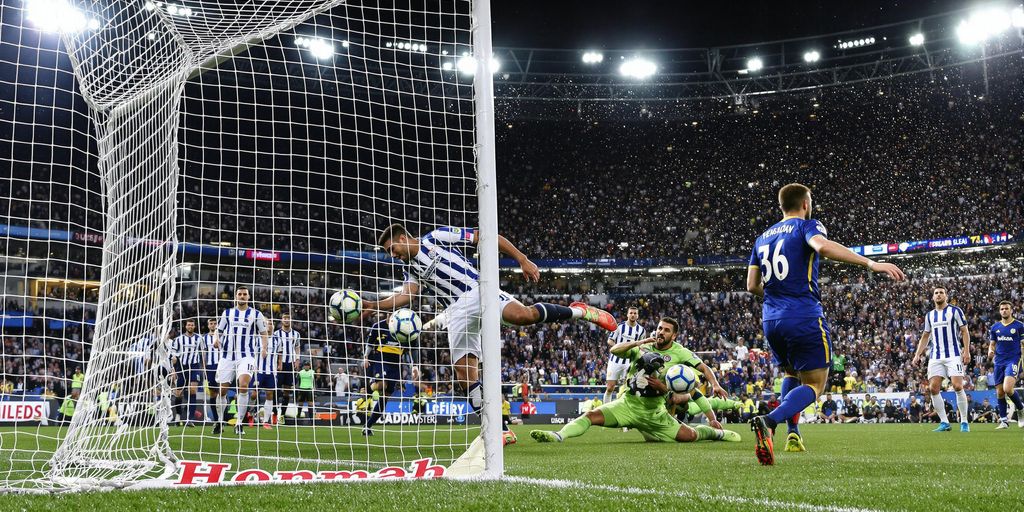
Sometimes, even the most experienced players can find themselves tangled in a web of miscommunication. Atiba Hutchinson’s own goal is a prime example of this. In a bizarre sequence, a harmless-looking back pass turned into a nightmare. The goalkeeper assumed Hutchinson would clear the ball, while Hutchinson thought the keeper would handle it. The result? A slow, agonizing roll of the ball into their own net. This type of mistake highlights how a single lapse in communication can change the outcome of a game.
When Defenders Forget Their Role
Defenders are trained to protect their goal at all costs, but every now and then, they seem to forget the basics. Picture this: a defender rushing back to stop an attacking player, only to accidentally tap the ball past their own goalkeeper. These moments are not just embarrassing but also leave fans and teammates wondering what went wrong. Here are some common causes:
- Misreading the goalkeeper’s position.
- Rushed clearances under pressure.
- Panic during chaotic goalmouth scrambles.
It’s these split-second decisions that often lead to unforgettable—and unfortunate—own goals.
How Goalkeepers Get Caught Off Guard
Goalkeepers are often the last line of defense, but they’re not immune to moments of confusion. A misjudged bounce, a miscommunication with a defender, or even a sudden change in the ball’s trajectory can leave them stranded. One of the most common scenarios? When a keeper moves to collect a ball, only for a teammate to head it past them into the net. It’s painful to watch, and even more painful for the players involved.
Miscommunication in soccer often feels like watching a slow-motion train wreck. You see it happening, but no one can stop it in time. It’s a reminder that even at the highest levels, human error is part of the game.
For those interested in the unpredictable nature of soccer, betting on own goals can be a fascinating—and potentially profitable—market. Miscommunication between players is one of the key reasons own goals happen, making it a unique aspect of the sport to analyze.
Protests That Made History
The 149 Own Goals by Stade Olympique L’Emyrne
Imagine a soccer match where the scoreline reads 149-0—and every single goal is an own goal. Sounds like a joke, right? But that’s exactly what happened in 2002 when Madagascar’s Stade Olympique L’Emyrne (SOE) decided to protest against what they saw as unfair refereeing in a previous match. Instead of playing competitively, they deliberately scored own goal after own goal, much to the shock and confusion of the spectators. This bizarre protest remains one of the most extreme statements ever made in football. It was a moment that left everyone asking: "Did that really just happen?"
How Refereeing Decisions Spark Chaos
Referees hold immense power in soccer, and their decisions can sometimes spark outrage. In several matches across history, teams have chosen to protest by simply refusing to play. One such incident occurred in 1974 when Chile faced the Soviet Union in a World Cup qualifier. The Soviet team refused to play in protest of political events in Chile, resulting in one of the strangest "matches" ever, where Chile scored against an empty net to "win." These moments highlight how politics and sports often intersect in unexpected ways.
When Teams Take a Stand in Bizarre Ways
Not all protests are as dramatic as scoring 149 own goals or refusing to play. Some teams have used subtler methods to make a statement. For example, players have worn shirts with messages, staged sit-ins on the field, or even kicked the ball out of play repeatedly to disrupt the game. These protests might not grab as many headlines, but they show how athletes can use their platform to draw attention to issues they care about. Sometimes, it’s not about the result but the message they leave behind.
Soccer isn’t just about goals and glory—it’s also a stage for players and teams to speak up, even if it means breaking the norms of the game.
The Most Unbelievable Headers
Jone Samuelsen’s Record-Breaking Header
Imagine scoring a goal with your head from 58.13 meters away. Sounds impossible, right? Not for Jone Samuelsen. During a 2011 match between ODD Grenland and Tromsø Idrettslag, Samuelsen pulled off this mind-boggling feat. The opposing goalkeeper had ventured upfield for a corner, leaving the net wide open. Samuelsen seized the moment by heading the ball from his own half, creating one of the most extraordinary goals in soccer history. This header wasn’t just a fluke—it was a record-breaking moment that still leaves fans in awe.
How Distance Defies Logic
Long-distance headers are rare, but when they happen, they’re unforgettable. What makes them so special? For starters, the precision required is off the charts. Players need to calculate the ball’s trajectory, their position, and the goalkeeper’s location—all in a split second. Plus, there’s the sheer physical challenge. Generating enough power with your head to send the ball soaring across the field is no small task. These goals are proof that sometimes, soccer is as much about physics as it is about skill.
The Role of Goalkeeper Errors in Long Headers
Of course, not all long-distance headers happen because of perfect skill. Goalkeeper errors often play a huge role. Whether it’s a misjudged clearance or an ill-timed run, a mistake can turn a routine play into a viral moment. For instance, in the case of Samuelsen’s famous header, the goalkeeper’s decision to join the attack left the net completely exposed. Moments like these remind us that in soccer, even the smallest misstep can lead to unforgettable chaos.
The Comedy of Errors
Stan Collymore’s Unintended Assist
Sometimes, the pitch itself decides to join the action. During a match between Liverpool and Blackburn Rovers, Stan Collymore’s seemingly harmless shot had an unexpected twist. The ball hit a divot on the field, causing it to bounce awkwardly over the goalkeeper, Tim Flowers, and into the net. It was one of those moments where you couldn’t help but laugh at the absurdity. Even Collymore himself looked unsure whether to celebrate or apologize. This bizarre incident is a reminder that in soccer, even the ground can play a role in the game.
When Players Score on Themselves
Own goals are always awkward, but some take it to another level. Wolves fans, for instance, had a moment of collective disbelief when their team scored a hilarious own goal against Ipswich. The mistake not only gave Ipswich an easy point but also intensified the scrutiny on manager Gary O’Neil, as the club was already under pressure. Moments like these leave fans shaking their heads while secretly chuckling at the sheer ridiculousness of it all.
The Funniest Defensive Blunders
Defenders are supposed to protect their goal, but occasionally, they do the exact opposite. From mistimed clearances to accidental back-passes, these errors often look like something out of a comedy sketch. One of the most unforgettable examples involved a defender attempting to head the ball back to his goalkeeper, only to lob it perfectly into the top corner of his own net. These moments remind us that even the professionals are human, prone to mistakes that make the beautiful game even more entertaining.
World Cup Wackiness
Frank Lampard’s Ghost Goal
The 2010 World Cup gave us one of the most debated moments in soccer history. England’s Frank Lampard struck a stunning shot against Germany in the Round of 16. The ball smashed the underside of the crossbar, clearly crossing the goal line before bouncing out. But the officials? They waved play on. No goal was given, leaving England fans furious and sparking calls for goal-line technology. This moment is still etched in the minds of fans as a glaring example of how refereeing can change the course of a match.
The Most Shocking Own Goals in World Cup History
Own goals in the World Cup are rare, but when they happen, they’re unforgettable. From players misjudging passes to defenders accidentally deflecting shots into their own net, these moments can be heartbreaking. A standout case was in 1994 when Colombian defender Andrés Escobar tragically scored an own goal against the United States, a mistake that led to his team’s elimination. Escobar’s story remains one of the darkest chapters in World Cup history, highlighting the intense pressure players face on the world stage.
How Pressure Leads to Unforgettable Mistakes
The World Cup is the pinnacle of soccer, and the stakes couldn’t be higher. The pressure to perform has led to some of the most bizarre and unforgettable mistakes in the sport’s history. Whether it’s a goalkeeper fumbling an easy save or a defender panicking under pressure, these moments remind us that even the best players are human. The tension of the tournament can turn even the simplest plays into moments of chaos, creating memories fans will talk about for decades.
The Science of Freak Goals
How Physics Plays a Role in Own Goals
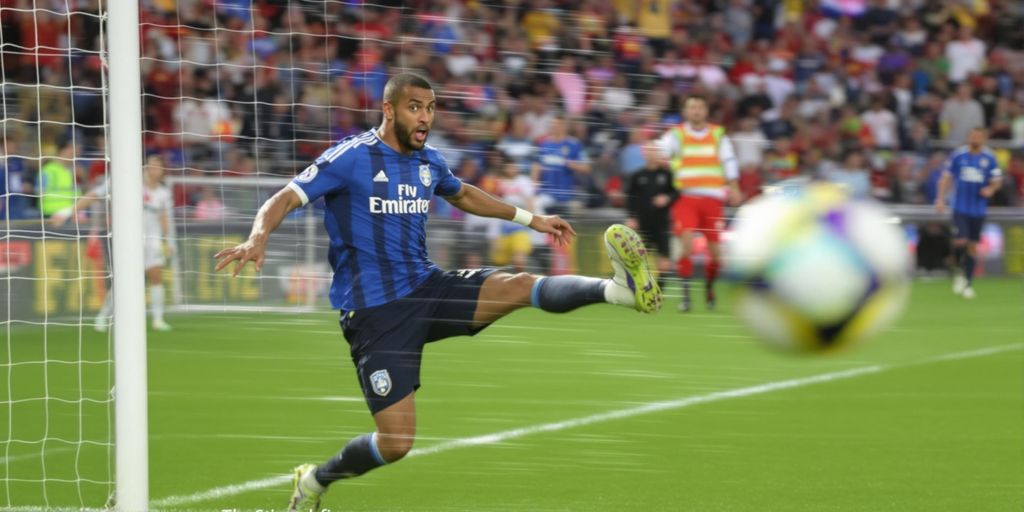
Ever wondered how a ball can take that absurdly perfect bounce into the net? It all comes down to physics. The spin, speed, and angle of the ball’s impact can create unpredictable trajectories. For example, a ball with backspin might suddenly dip, fooling even the most experienced goalkeepers. Understanding these mechanics can make you appreciate the chaos on the field.
Here are some common factors:
- Magnus effect: This explains why a spinning ball curves mid-air.
- Surface friction: Wet or uneven fields can drastically alter the ball’s behavior.
- Air resistance: Subtle but significant, especially in long-distance shots.
The Impact of Weather and Field Conditions
Weather can be a game-changer. Rain-soaked pitches turn into slip-and-slide arenas, making it harder for players to control the ball. Wind, too, can redirect shots in the blink of an eye. Even the sun can blind a keeper at the worst possible moment.
Consider these scenarios:
- Heavy rain causing the ball to skid faster than expected.
- Gusty winds turning a routine clearance into an own goal.
- Frozen fields creating bizarre bounces.
Sometimes, it feels like the elements themselves are rooting for chaos on the pitch.
Why Some Goals Are Simply Unexplainable
Then there are the moments that defy all logic. A ball ricochets off three players, hits the post, and somehow ends up in the net. Or a shot from 40 yards out dips at the last second, leaving everyone stunned. These are the goals that make you question if the universe has a sense of humor.
Even professionals like goalkeeper Trubin have been caught off guard by these freak occurrences. It’s a reminder that, in soccer, anything can happen—and often does.
Wrapping It Up: Soccer’s Most Unbelievable Own Goals
So, there you have it—some of the most bizarre, hilarious, and downright unbelievable own goals in soccer history. These moments remind us that even the pros aren’t immune to a little chaos on the field. Whether it’s a beach ball interfering with play or a defender accidentally scoring a world-class strike in the wrong net, these stories are what make soccer so unpredictable and fun. At the end of the day, it’s all part of what keeps us coming back for more. After all, who doesn’t love a good laugh and a reminder that even the best players are human?
Frequently Asked Questions
What is the most bizarre own goal in soccer history?
One of the strangest own goals happened when a beach ball deflected Darren Bent’s shot into the net during a Sunderland vs. Liverpool game.
Have players ever scored from extreme distances?
Yes, Jason Cundy scored an own goal from 75 yards out, and Jone Samuelsen holds the record for the longest headed goal at 58.13 meters.
What was the most controversial own goal protest?
Stade Olympique L’Emyrne intentionally scored 149 own goals in a single match to protest a refereeing decision.
Can weather conditions cause unusual goals?
Absolutely! Strong winds, rain, and even uneven field surfaces can lead to unexpected and funny goals.
Has a World Cup ever featured shocking own goals?
Yes, the World Cup has seen its share of surprising own goals, often caused by high-pressure situations and miscommunication.
How do objects on the field influence the game?
Objects like balloons, beach balls, or even animals can disrupt play and lead to some of the most memorable and bizarre moments in soccer.