
When a soccer player scores a goal, the usual thing is to celebrate. They might jump around, hug teammates, or even do a little dance. But sometimes, you see players who just… don’t. They score, and then they just walk back to the middle of the field, no big reaction. It makes you wonder why. Why would someone not celebrate one of the biggest moments in their sport? This article looks into the different reasons why some players who refused to celebrate goals might choose to keep their emotions in check, from how they feel inside to what their team expects.
Key Takeaways
- Players who refused to celebrate goals often show how much they care about their team over themselves.
- Some players keep calm after scoring to stay focused, especially in important games.
- Not celebrating can be a way to show respect for the other team or their fans.
- Team rules and what coaches expect can influence how players act after a goal.
- Sometimes, players who refused to celebrate goals are just dealing with a lot of pressure or past bad games.
The Psychology Behind Players Who Refused to Celebrate Goals
Sometimes, you see a player score a goal, and instead of jumping around, they just… don’t. It’s not about being ungrateful or anything like that. Often, it’s a peek into what’s going on inside their head, a mix of deep-seated feelings and how they handle the intense world of professional sports.
Emotional Investment and Identity in Sports
For many athletes, their sport isn’t just a job; it’s a huge part of who they are. Their identity is wrapped up in their performance, their team, and the game itself. When they score, it’s not always pure joy. Sometimes, it’s relief, especially if they’ve been under pressure or if the team has been struggling. This deep connection means every moment, good or bad, hits them on a very personal level. It’s like their entire being is invested in that one moment. Think about it: if your whole life revolved around something, wouldn’t you have a complex reaction to its biggest moments? It’s not just about the score; it’s about their self-worth.
Coping Mechanisms and Resilience in Athletes
Professional athletes face incredible pressure. They’re constantly scrutinized, and every mistake is amplified. Because of this, many develop unique ways to cope. Refusing to celebrate can be a way to stay grounded, to avoid the emotional rollercoaster that comes with every goal or every loss. It’s a form of emotional regulation, a way to maintain a steady mindset regardless of the immediate outcome. They might be thinking about the next play, the next game, or even the season as a whole. It’s about building mental toughness and not letting one moment define their entire outlook. It’s a quiet strength, a way of saying, "I’m here to do a job, and this is just part of it."
It’s easy for us, as fans, to see a goal and expect an explosion of emotion. But for the players, that moment might be less about celebration and more about a quiet acknowledgment of their effort, or even a release of pent-up stress. They’ve trained endlessly, faced setbacks, and pushed their bodies to the limit. A goal isn’t just a point; it’s the culmination of countless hours of work, and sometimes, the most profound reaction is a silent one.
The Impact of Team Culture on Individual Expression
Team culture plays a massive role in how players express themselves. Some teams have a very stoic, business-like approach, where individual celebrations are downplayed in favor of a collective focus. In these environments, a player might choose not to celebrate out of respect for the team’s ethos. It’s about prioritizing the group over personal glory. This can be seen in various ways:
- Shared goals: The team’s objective is paramount, and individual achievements are secondary.
- Humility: A culture that values humility might discourage excessive celebration.
- Focus on the long game: Teams might emphasize staying focused on the entire match or season, rather than getting carried away by one moment.
This collective mindset can shape how players react, even when they’ve just done something incredible. It’s a subtle nod to the idea that no one player is bigger than the team.
Professionalism and Composure: Players Who Refused to Celebrate Goals
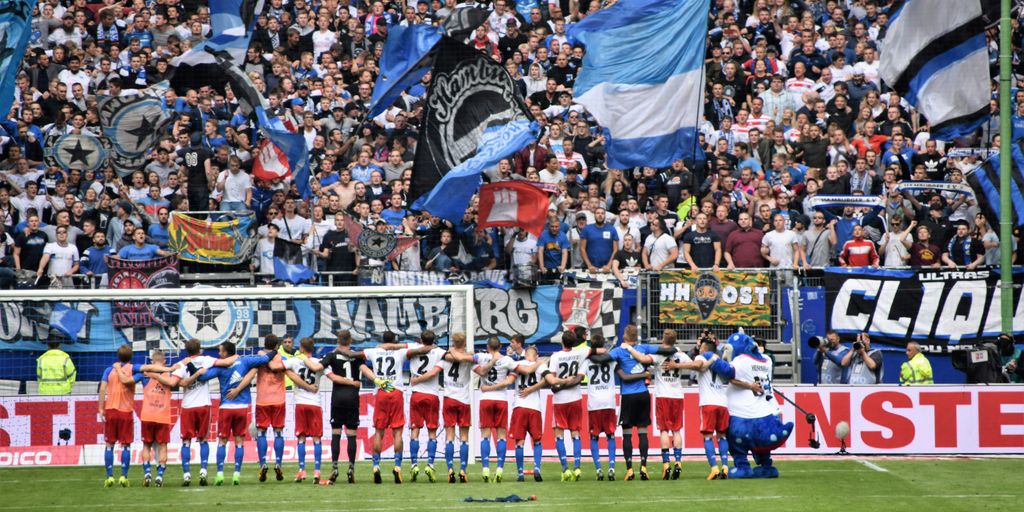
Some athletes, even after scoring a goal, choose not to celebrate. This isn’t always about a lack of emotion; often, it’s a display of deep professionalism and a focus that goes beyond the immediate thrill of a point. It’s about maintaining a certain demeanor.
Maintaining Focus Amidst Victory
For many professional athletes, especially in high-stakes games, the job isn’t done until the final whistle. A goal, while important, is just one step. They understand that excessive celebration can break their concentration and shift their mindset from performance to premature victory. This disciplined approach helps them stay sharp and ready for whatever comes next, whether it’s defending a lead or pushing for another score. It’s a mental game as much as a physical one, and keeping a level head is key.
The Role of Discipline in Elite Performance
Discipline extends beyond training and diet; it’s also about emotional control. Players who don’t celebrate goals often embody this aspect of discipline. They’ve trained themselves to manage the highs and lows of competition, treating each moment with the same measured intensity. This isn’t to say they don’t feel joy, but rather that they prioritize their role and the team’s objectives above personal expression in that specific moment. It’s a sign of a player who is always ready, always focused on the task at hand, regardless of the score. This kind of discipline is what separates good players from great ones, allowing them to perform consistently under pressure.
Balancing Individual Emotion with Team Objectives
In team sports, individual achievements are always part of a larger collective effort. A player’s decision not to celebrate a goal can be a subtle yet powerful way to reinforce this idea. It signals that the goal is a team accomplishment, not just a personal one, and that the focus remains on the overall game plan and the shared objective of winning. This approach helps to build a stronger, more cohesive unit where individual egos are secondary to the team’s success.
This balance is crucial for team dynamics. Consider these points:
- Prioritizing the team: The goal is for the team, not just the individual scorer.
- Setting an example: Younger players might learn from this composed behavior.
- Respect for opponents: Sometimes, not celebrating shows respect, especially against a struggling team.
This kind of behavior contributes to a positive team culture, where everyone is aligned towards a common goal. It’s about understanding that while individual moments of brilliance are important, the ultimate success comes from a unified effort. For more on soccer goal celebrations, check out our other articles.
Understanding the Unspoken Rules: Players Who Refused to Celebrate Goals
Respect for Opponents and Their Fans
Sometimes, a player scores against their old team, or maybe it’s a team from their hometown. In these situations, celebrating a goal can feel a bit… off. It’s not about lacking excitement, but more about showing respect. Think about it: you wouldn’t rub it in your friend’s face if you beat them at something they really cared about, right? It’s kind of like that, but on a much bigger stage. Players often choose not to celebrate out of a quiet acknowledgment of the opponent’s effort and the fans’ disappointment. It’s a subtle nod to the shared humanity in competition, a recognition that while one team wins, another loses, and there’s a certain decorum to uphold. It’s about understanding the emotional landscape of the game, beyond just the score.
Navigating the Dynamics of a Losing Streak
Imagine your team has been losing, game after game. The mood in the locker room is heavy, the fans are restless, and every mistake feels magnified. Then, finally, someone scores. It’s a goal, yes, but is it really a moment for wild celebration? Probably not. In these tough times, a muted reaction can actually be more powerful. It signals a focus on the bigger picture – getting the team back on track – rather than momentary individual glory. It’s a way of saying, "Okay, we got one, but we’re not out of the woods yet." It shows a collective understanding of the team’s struggles and a commitment to turning things around. It’s about maintaining a level head when things are tough, and not letting a single positive moment overshadow the ongoing challenges.
When a team is stuck in a losing streak, every action, every reaction, is scrutinized. A player choosing not to celebrate a goal isn’t being ungrateful; they’re often reflecting the team’s collective frustration and determination. It’s a quiet statement that the job isn’t done, and there’s still a lot of work ahead.
The Importance of Sportsmanship in Competition
Sportsmanship is a big deal, even at the highest levels. It’s about playing fair, respecting the rules, and treating opponents with dignity. Refusing to celebrate a goal can be a powerful act of sportsmanship. It can prevent unnecessary provocation, especially in heated rivalries or when the score is already heavily skewed. It’s a way of saying, "We’re here to compete, but we’re also here to play with integrity." This kind of behavior sets a positive example, not just for other players, but for fans too. It reminds everyone that while winning is important, how you win matters just as much. It’s about upholding the spirit of the game, even in moments of triumph. These actions contribute to the overall atmosphere of the game, influencing everything from fan behavior to the respect between competing teams. Soccer goal celebrations are often seen as pure joy, but sometimes, the absence of one speaks volumes about a player’s character and understanding of the game’s deeper values.
Here are some reasons why players might opt for a subdued reaction:
- Avoiding perceived arrogance: Especially when playing against former clubs or friends.
- Maintaining focus: Not getting carried away by a single goal when the game is still in progress or the team is behind.
- Respecting the opponent’s situation: If the opposing team is struggling or has just conceded a crucial goal.
- Team-first mentality: Prioritizing the collective effort and the overall game outcome over individual recognition.
- Cultural norms: In some cultures, excessive celebration can be seen as disrespectful or boastful.
Team Cohesion and Collective Mindset: Players Who Refused to Celebrate Goals
Sometimes, it’s not about the individual. It’s about the team. When a player scores and doesn’t go wild, it often speaks volumes about their commitment to the group over personal glory. It’s a subtle nod to the idea that the goal is just one piece of a much bigger puzzle, and the real win is the collective effort.
Prioritizing Team Goals Over Individual Glory
For some players, the act of scoring is simply doing their job. They see themselves as a cog in a larger machine, and every goal is a step towards a shared objective, not a moment for personal accolades. This mindset helps build a stronger, more unified team. It’s about understanding that while individual talent is important, it’s the collective belief that "we as a group can do something" that truly makes a difference. When everyone is focused on the same target, the individual moments become less about ego and more about the overall success.
Building Trust and Shared Values Within a Squad
Refusing to celebrate can also be a quiet way of showing trust in teammates. It says, "I believe in what we’re building together." This kind of behavior helps solidify the bonds within a team, especially when things get tough. If a player is constantly seeking individual attention, it can erode that trust. But when they consistently put the team first, it reinforces shared values like hard work, dedication, and mutual support. It’s about creating a culture where everyone feels invested and protected, rather than constantly trying to protect their own ego.
The Influence of Leadership on Player Behavior
Leadership plays a huge role in shaping how players behave, including how they celebrate. A strong leader, whether a coach or a captain, can instill a culture where humility and collective effort are valued more than flashy displays. If the leaders emphasize the importance of the team’s journey and the deeper meaning of the game, players are more likely to adopt that perspective. This can lead to a more cohesive unit, where everyone is pulling in the same direction, and individual actions, like a subdued celebration, reflect that shared purpose. It’s about creating an environment where players aspire to the same goals and feel like they are all in with the same values.
The Weight of Expectation: Players Who Refused to Celebrate Goals
Managing Pressure in High-Stakes Games
It’s a wild ride, being a professional athlete. Every game, every play, it feels like the world is watching. When the stakes are high, the pressure can be immense. Some players, when they score in these moments, don’t erupt in celebration. It’s not a lack of joy, but more about managing that internal intensity. They might be thinking about the next play, the next quarter, or even the next game. It’s a way to keep their focus sharp, to not get carried away by a single moment, no matter how big it feels. It’s like they’re saying, "Okay, that happened, now what’s next?" This mindset helps them stay grounded, especially when the game is on the line. It’s a quiet confidence, a refusal to let the moment overwhelm their composure. For some, it’s about maintaining a consistent emotional state, regardless of the outcome of a single play. They understand that one goal doesn’t win the game, and there’s still work to be done. It’s a testament to their mental toughness and their ability to perform under extreme scrutiny.
The Burden of Past Performances
Sometimes, a player’s history can weigh heavily on them. Maybe they’ve had a rough patch, a string of missed shots, or a season that didn’t go as planned. When they finally break through and score, the relief might be so profound that celebration feels almost… inappropriate. It’s not about being ungrateful, but more about the sheer burden being lifted. They might be thinking, "Finally, I did it," rather than, "Look what I did!" This can be particularly true for players who have faced criticism or doubt. Their non-celebration is a quiet acknowledgment of the struggle, a personal moment of overcoming. It’s a subtle nod to the journey, not just the destination. They’re not trying to prove anything to anyone else; they’re proving it to themselves. It’s a deeply personal response to overcoming adversity, a quiet victory that doesn’t need a grand display. It’s a reminder that even in success, the path to get there can be filled with challenges.
Coping with Public Scrutiny and Fan Reactions
Imagine living under a microscope, where every move you make is analyzed, debated, and often, criticized. Professional athletes deal with this constantly. When they score, especially against a former team or in a highly charged atmosphere, a muted celebration can be a way to navigate the intense public scrutiny and fan reactions. It’s a form of self-preservation, a way to avoid adding fuel to any potential fire. They might be thinking about the headlines, the social media comments, or the opposing fans. It’s a strategic choice to de-escalate, to not give anyone more reason to react negatively. This approach shows a level of maturity and awareness of their public persona. It’s about controlling the narrative, even in a moment of triumph. They understand that their actions on the field extend beyond the game itself, influencing perceptions and discussions. It’s a way to maintain a sense of calm in a very public and often volatile environment. For example, Sporting Kansas City players often show this kind of composure, even after tough matches. It’s a quiet strength that speaks volumes about their character and their ability to handle the immense pressure that comes with being a professional athlete.
The weight of expectation can be a heavy cloak, influencing every decision a player makes on the field. For some, the act of scoring a goal, while a moment of success, is also a moment to reaffirm their commitment to the larger objective, to manage their own emotional landscape, and to navigate the complex world of public perception. Their non-celebration isn’t a lack of passion, but rather a demonstration of a different kind of strength – one that prioritizes composure, resilience, and a clear focus on the ultimate goal, even when the spotlight is brightest. It’s a subtle yet powerful statement about their dedication and their understanding of the game’s deeper meaning.
Beyond the Scoreboard: Players Who Refused to Celebrate Goals
The Deeper Meaning of the Game
Sometimes, the game is about more than just the final score. For some players, a goal isn’t just a tally mark; it’s a moment that connects to something bigger. They might see the sport as a journey of self-discovery, a way to push limits, or even a form of artistic expression. It’s not always about winning every single match, but about the process and what you learn along the way. Think about those moments after a tough loss, when players are sitting on the field, exhausted. It’s in those quiet times that the true meaning of their effort often sinks in, far beyond the scoreboard.
Personal Growth and Learning from Losses
Losing is never fun, but it can be a powerful teacher. Players who don’t celebrate every goal might be the ones who understand this best. They know that setbacks are part of the deal, and they use them to get better. It’s like a continuous feedback loop: play, lose, learn, improve. This mindset helps them stay grounded, even when things are going well. They’re always looking for ways to refine their skills and understanding of the game, rather than just chasing immediate gratification.
The true measure of an athlete isn’t just in their victories, but in how they respond to defeat. It’s about finding strength in vulnerability and using every experience, good or bad, as a stepping stone for future success.
The Journey of Self-Improvement in Sports
For many athletes, the pursuit of excellence is a personal one. It’s about constantly striving to be better than they were yesterday. This focus on individual growth means that while scoring a goal is great, it’s just one small part of a much larger picture. They might be thinking about:
- Mastering a new technique.
- Improving their physical conditioning.
- Developing a stronger mental game.
- Becoming a more consistent performer.
This ongoing quest for self-improvement often overshadows the fleeting joy of a single goal, leading to a more subdued reaction. They’re already looking ahead to the next challenge, the next opportunity to refine their craft.
The Evolution of Celebration Norms: Players Who Refused to Celebrate Goals
Historical Context of Goal Celebrations
Back in the day, goal celebrations were pretty low-key. Think about old soccer footage – a quick handshake, maybe a pat on the back, and then everyone just got back to the game. It wasn’t about big, flashy displays. Players were expected to be stoic, to just do their job and move on. The idea of a player refusing to celebrate wasn’t even really a thing because nobody was doing huge celebrations to begin with. It was more about the collective effort, not individual glory. The focus was on the game itself, not the theatrics surrounding it.
Cultural Differences in Sporting Etiquette
Different cultures have always had their own ways of showing emotion in sports. What’s totally normal in one country might seem over the top or even disrespectful in another. For example, in some European leagues, a muted celebration, especially against a former team, is seen as a sign of respect. In other places, fans expect a huge outpouring of joy. These unwritten rules often dictate how players act, even if they don’t consciously think about it. It’s a subtle dance between personal feeling and what’s considered proper behavior in that specific sporting environment. Discussions about the GOAT often touch on how different eras and cultures influenced player behavior.
The Modern Athlete’s Approach to Emotional Expression
Today, things are way different. Social media means every single move, every reaction, is scrutinized. Players are brands, and their celebrations can go viral. So, when a player chooses not to celebrate, it really stands out. It can be a deliberate statement – maybe they’re showing respect to their old club, or maybe they’re just trying to stay focused on the next play. It’s a conscious choice in a world where everyone expects a big show. It’s not just about scoring; it’s about managing their image and what message they want to send.
Sometimes, not celebrating is the loudest statement a player can make. It cuts through all the noise and shows a different kind of intensity, a focus that goes beyond the immediate thrill of a goal. It’s a quiet power in a game that often demands explosive emotion.
Conclusion: More Than Just a Game
So, what’s the deal with players who don’t go wild after scoring? It’s pretty clear there’s no single answer. Some players are just wired differently, maybe they’re super focused on the next play, or they just don’t show their feelings much. Others might be thinking about their team’s rough patch, or they’re just trying to be respectful to the other side. It really shows us that sports are about a lot more than just the score. There’s so much going on in a player’s head, and it’s not always about jumping up and down. It’s a mix of personal stuff, team vibes, and even how they see the whole game. It makes you think, doesn’t it? Maybe the quiet ones are just as into it, just in their own way.
Frequently Asked Questions
Why do players sometimes not cheer when they score against their old team?
Sometimes, players don’t celebrate because they used to play for the other team. It’s a way to show respect to their old teammates and fans, kind of like saying, “I still care about you.”
Does being on a losing team affect how players celebrate goals?
When a team is losing a lot, players might not celebrate goals much. They might feel like one goal isn’t enough to make up for all the losses, or they might just be really focused on trying to win the game, not just score.
Are some players just not the celebrating type?
Some players are just naturally more quiet or serious. They might feel happy inside, but they don’t show it much on the outside. It’s just their personality.
Why might a player not celebrate a goal if their team is winning by a lot?
Sometimes, players don’t celebrate because they want to show respect to the other team, especially if the game is already decided or if the other team is having a really tough time. It’s about being a good sport.
Could not celebrating a goal mean a player is just super focused?
Players might not celebrate if they’re really focused on the next part of the game. They might think, “Okay, we scored, but there’s still a lot of game left,” and they want to keep their mind on playing well.
Do high expectations make players less likely to celebrate?
Sometimes, players have a lot of pressure on them, especially if they’re expected to score many goals. Not celebrating can be a way to show that they’re just doing their job, and it’s not a big surprise for them to score.