
Becoming a professional soccer player is no walk in the park. It requires more than just fancy footwork and a knack for scoring goals. We’re talking about years of dedication, a bit of luck, and a whole lot of hard work. From the early days of kicking a ball around in the backyard to training in elite youth academies, the journey is long and tough. And let’s not forget the importance of education and keeping a balanced life. It’s a path filled with challenges, but for those who make it, the rewards are worth every drop of sweat.
Key Takeaways
- Starting young and getting the right training is crucial for aspiring soccer players.
- Youth academies play a significant role in developing future soccer stars.
- Balancing soccer with education is essential for a well-rounded life.
- Mastering technical, tactical, and physical skills is key to success in soccer.
- Talent and ambition must be paired with hard work and perseverance to make it in soccer.
Understanding the Path to Professional Soccer
Early Development and Training
Becoming a professional soccer player often starts young. Kids usually kick off their journey playing for local clubs or participating in soccer camps. Parents and coaches play a big role in nurturing a child’s interest and skills in the game. Early exposure to soccer fundamentals is crucial. Young players should focus on mastering basic techniques like dribbling, passing, and shooting. Regular practice and playing in matches help build confidence and improve performance.
The Role of Youth Academies
Youth academies are pivotal in shaping future soccer stars. They offer structured training programs and competitive matches that help young athletes hone their skills. These academies not only focus on soccer skills but also emphasize physical fitness and mental toughness. Players often live on-site, balancing training with education. It’s a demanding environment, but it prepares them for the challenges of professional soccer.
Importance of Education and Balance
While soccer is demanding, maintaining a balance between sports and education is vital. Many young players dream of going pro, but it’s important to have a backup plan. Education provides that safety net. Learning to manage time effectively between school and soccer helps in developing discipline and resilience. It’s also crucial for players to have hobbies outside of soccer to prevent burnout and maintain mental health.
Soccer is not just about talent; it’s about dedication, discipline, and the ability to balance various aspects of life. The journey is tough, but with the right mindset and support, young players can reach their full potential.
Essential Soccer Skills and Techniques
Technical Skills Required
To make it as a pro soccer player, you gotta nail those technical skills first. Ball control is a biggie. It’s not just about keeping the ball close, but also being able to change direction with it smoothly. Then there’s passing. You need to be precise, whether it’s a short pass to a teammate nearby or a long ball across the field. And dribbling? That’s your bread and butter, weaving through defenders like they’re not even there. Shooting, of course, is crucial. You wanna be able to score from different angles and distances.
Tactical Understanding of the Game
Playing smart is just as important as playing well. You need to read the game – know where your teammates are, anticipate where the ball’s going, and understand the opponent’s strategy. Positioning is key. You have to be in the right place at the right time, whether you’re defending or attacking. And teamwork? It’s everything. Soccer’s a team sport, so knowing when to pass, when to hold, and when to make a run is critical.
Physical Fitness and Conditioning
You can’t just have skills; you need the stamina to use them throughout the game. Soccer demands a lot from your body. Endurance is important because games are long and intense. Speed helps you get past opponents and defend effectively. Strength is needed to hold your ground and win those physical battles on the field. Flexibility and agility also play a role, helping you move quickly and avoid injuries.
Being a professional soccer player isn’t just about talent. It’s about mastering the skills, understanding the game, and having the physical and mental toughness to keep going, even when things get tough.
For more tips on improving your youth soccer training, focusing on these skills can make all the difference in your journey to becoming a professional.
The Role of Talent and Ambition in Soccer
Natural Talent vs. Learned Skills
In soccer, the debate between natural talent and learned skills is ongoing. Some players seem to have an innate ability to control the ball and read the game, while others work tirelessly to develop these skills. It’s important to recognize that both elements are crucial. Natural talent can give players an edge, but without dedication and continuous practice, it often goes untapped. Players who might not shine initially can surpass naturally gifted peers through hard work and perseverance.
Setting and Achieving Goals
Ambition is the fuel that drives players toward success. Setting clear, achievable goals is essential for progress. Whether it’s improving a specific skill or aiming for a particular team, having a target keeps players focused. Here’s a simple approach to goal-setting:
- Define specific objectives.
- Break them down into smaller, manageable tasks.
- Regularly assess progress and adjust goals as needed.
Overcoming Challenges and Setbacks
The path to becoming a professional soccer player is fraught with obstacles. Injuries, competition, and even personal doubts can derail ambitions. However, resilience is key. Players must learn to view setbacks as opportunities for growth.
The journey is as important as the destination. Embrace the challenges, for they shape the player you become.
Consider the structured systems developed by Swedish soccer clubs, which focus on nurturing young talent from an early age. This approach not only enhances skill development but also instills a sense of ambition and resilience in players.
In conclusion, while talent is a valuable asset, ambition and the ability to overcome adversity are what truly define a player’s journey in soccer. Balancing these elements can lead to a fulfilling and successful career on the field.
Navigating the Competitive World of Soccer
The Reality of Professional Contracts
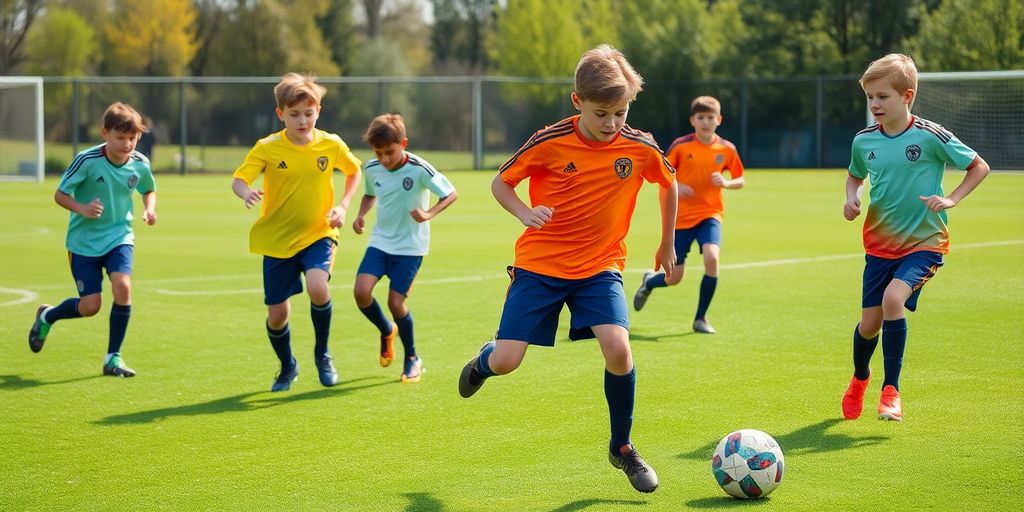
Signing a professional contract might seem like the dream for many young soccer players, but the reality is often more challenging than one might expect. Less than 17% of players who sign a professional contract actually make it to a stable career in professional soccer. Clubs often sign young talents with the hope of developing them into valuable assets, either for their first team or to sell for a profit. This means that even after signing, players must continue to prove themselves constantly.
The journey doesn’t end with a contract; it merely begins a new chapter filled with rigorous training and relentless competition.
Dealing with Competition and Rejection
The world of professional soccer is fiercely competitive. Players face pressure not only from their peers but also from coaches and club management. It’s crucial to develop thick skin as rejection is a common occurrence. Players are often released from contracts if they do not meet expectations, and this can happen suddenly. To manage this, players should focus on continuous improvement and resilience.
- Stay adaptable and open to feedback.
- Build a strong support system outside of soccer.
- Keep focusing on personal and professional growth.
Building a Support Network
Having a strong support network is vital for any aspiring professional soccer player. This network can include family, friends, mentors, and even former coaches. They provide emotional and practical support, helping players navigate the ups and downs of their careers. Networking with other players and professionals in the field can also open doors to new opportunities and insights.
- Connect with mentors who can offer guidance.
- Maintain relationships with former teammates and coaches.
- Engage with community and professional networks for broader support.
Exploring Opportunities Beyond Playing

Careers in Coaching and Management
When the playing days come to an end, many soccer players find a second calling in coaching or management. Transitioning from player to coach involves learning new skills, like strategy development and player management. Coaching offers a chance to stay connected to the game while helping the next generation develop their skills. Management roles, on the other hand, require a knack for leadership and decision-making. Both paths offer a rewarding way to contribute to the soccer community.
Sports Science and Nutrition
Another avenue is diving into sports science and nutrition. Understanding how the body works and how to fuel it properly can make a huge difference in athletic performance. With a focus on nutrition, former players can help current athletes optimize their diets for better results on the field. Sports science also offers roles in performance analysis, helping athletes reach their peak through data-driven insights.
Education and Scholarships for Athletes
Education remains a critical part of an athlete’s journey. Many players pursue scholarships to further their education while continuing to play. These scholarships provide a safety net, ensuring athletes have a solid educational foundation to fall back on. This dual focus on sports and studies not only enhances career prospects but also prepares athletes for life beyond the field.
Exploring these career paths ensures that athletes remain engaged with their passion for soccer, even when they’re not on the pitch. Whether it’s coaching, sports science, or education, these opportunities offer a fulfilling way to stay involved in the sport.
The Importance of Mental Resilience
Handling Pressure and Expectations
Playing soccer at a professional level is no small feat. The pressure to perform well in every game can be overwhelming. Staying calm and focused under pressure is a skill that separates great players from the rest. It’s not just about handling the pressure from fans or coaches but also managing your own expectations. Many players find it useful to set realistic, short-term goals that contribute to their long-term objectives. This approach helps in maintaining focus and reduces the stress associated with high expectations.
Maintaining Motivation and Focus
Keeping your motivation high through the ups and downs of a soccer career is essential. There will be times when things don’t go your way—injuries, losses, or even being benched. In these moments, finding what drives you is crucial. Some players keep a journal to remind themselves why they started playing in the first place. Others may rely on a support system of family and friends to keep them grounded. Keeping your eyes on the prize and remembering your love for the game can pull you through tough times.
Developing a Winning Mindset
A winning mindset isn’t just about wanting to win; it’s about preparing to win. This means putting in the hard work during training and being mentally ready to adapt to any situation on the field. A strong mindset helps players recover quickly from setbacks and stay focused on their goals. It’s about believing in your abilities and having the confidence to take risks when needed.
Building mental resilience is like training a muscle. The more you work on it, the stronger it becomes. Just like physical training, mental resilience requires consistent effort and practice.
Choosing the Right Soccer Academy
Evaluating Academy Programs
Picking the right soccer academy is a big deal. You want to make sure it fits your goals and needs. Start by checking out the academy’s background. How long have they been around? A well-established academy can offer a solid training program and a network of contacts. Some academies are linked with professional clubs, which can be a plus if you’re looking to get noticed by scouts. But don’t just go for the name – make sure they offer quality training.
Here’s a quick checklist to help you evaluate:
- Academy’s history and reputation
- Affiliation with professional clubs
- Quality of coaching and training methods
- Opportunities for matches and competitions
Balancing Education and Training
It’s not just about soccer; you need to think about your education, too. Many academies offer academic programs alongside training. This is crucial since not everyone makes it to the pros. Look for academies that provide a good balance between school and soccer. Some might even offer scholarships if you excel both on the field and in the classroom.
Consider these educational aspects:
- Academic curriculum offered
- Support for balancing studies and training
- Scholarship opportunities
Long-term Career Planning
When you’re choosing an academy, think about your future beyond just playing. Does the academy help with career planning? Whether you want to go pro or pursue a career in sports management, coaching, or sports science, the academy should support your goals. They should also prepare you for life after soccer, offering guidance on further education or career paths.
Taking the time to thoroughly evaluate your options can make a huge difference in your soccer journey. Remember, it’s not just about finding a place to play – it’s about setting yourself up for success in the long run.
For more insights on picking the right program, check out our comprehensive guide on soccer clinics to understand the benefits and training opportunities available.
Conclusion
So, what does it really take to make it as a professional soccer player? It’s a mix of talent, hard work, and a bit of luck. Sure, having natural skills is important, but that’s just the start. You need to be dedicated, train hard, and be ready to make some sacrifices. It’s not just about playing the game; it’s about living it. And even then, there’s no guarantee. The competition is fierce, and only a few make it to the top. But for those who do, it’s a dream come true. So, if you’re passionate about soccer, give it your all, but also have a backup plan. Because in the end, it’s not just about becoming a pro; it’s about enjoying the journey and growing as a person.
Frequently Asked Questions
What age should I start training to become a professional soccer player?
Most professional players start training at a young age, often between 6 and 11 years old. Early training helps develop basic skills and a love for the game.
Do I need to join a soccer academy to go pro?
While joining a soccer academy can provide structured training and exposure, it’s not mandatory. Many players have reached professional levels through local clubs and personal dedication.
How important is education for a soccer player?
Education is crucial for soccer players. It provides a backup plan if a professional career doesn’t work out and helps in understanding contracts and managing finances.
What skills are essential for a professional soccer player?
Key skills include technical abilities like dribbling and passing, tactical understanding of the game, and physical fitness. Mental resilience and teamwork are also important.
Can I become a professional soccer player if I start late?
While it’s more challenging, it’s not impossible. With hard work, dedication, and the right opportunities, late starters can still make it professionally.
What should I do if I face rejection in my soccer career?
Rejection is common in soccer. It’s important to stay motivated, keep improving your skills, and explore different opportunities, like playing in lower leagues or different countries.