
Soccer, known as the beautiful game, is loved by millions around the globe. It’s more than just a sport; it’s a universal language that connects people from all walks of life. Whether you’re in the bustling streets of Rio or the quiet corners of a village in Africa, soccer is there, bringing joy and excitement. But why is it so popular worldwide? Let’s dive in and explore what makes soccer the world’s favorite sport.
Key Takeaways
- Soccer’s global reach is unmatched, with fans and players on every continent.
- The simplicity and affordability of soccer make it accessible to everyone, everywhere.
- Intense rivalries and passionate fanbases drive soccer’s popularity to new heights.
- Soccer has a significant economic impact, influencing local and global economies.
- The cultural importance of soccer is evident in its role in art, media, and social change.
The Global Reach of Soccer
Soccer’s Presence in Every Continent
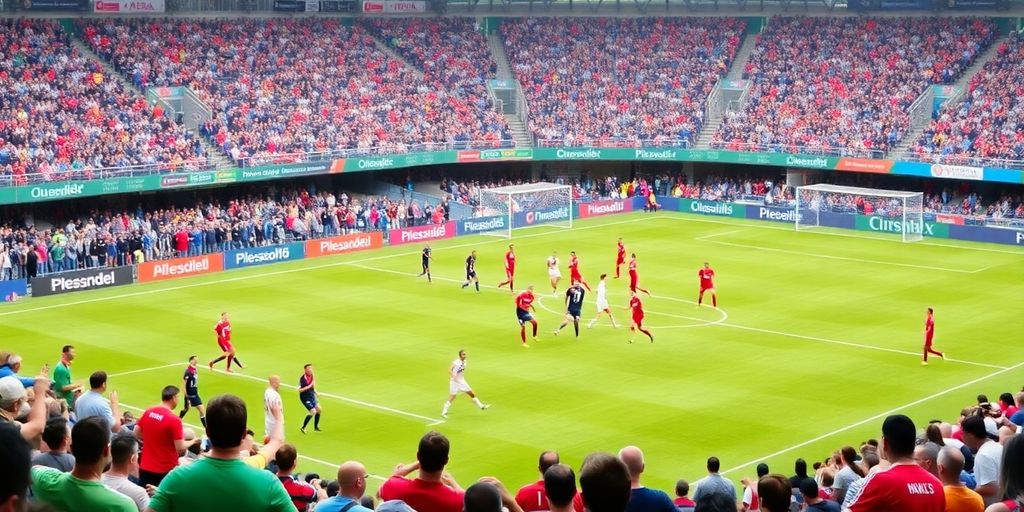
Soccer is everywhere. From bustling cities to remote villages, you’ll find people kicking a ball around. It’s not just a game; it’s a universal language. With over 3.5 billion fans worldwide, it’s like half the planet is tuning in or playing. Europe, Africa, Asia, and the Americas all have thriving soccer cultures. Even places you might not expect, like Antarctica, have seen impromptu matches among scientists and explorers. This global spread is why soccer is more than just a sport; it’s part of the world’s cultural fabric.
The Role of International Competitions
International competitions are like the heartbeat of soccer. The FIFA World Cup stands out as the pinnacle, drawing more viewers than any other event on TV. In 2018, nearly 3.5 billion people watched at least part of the tournament. It’s not just the World Cup, though. Continental competitions like the UEFA European Championship, Copa America, and the Africa Cup of Nations also bring nations together. These events are more than just games; they’re a showcase of talent and a celebration of national pride.
How Soccer Unites Diverse Cultures
Soccer is a unifier. It crosses borders and bridges cultural gaps. Whether it’s a local match in a small town or a grand final in a massive stadium, soccer brings people together. In Korea, for instance, football transcends being merely a sport; it has evolved into a significant cultural phenomenon that captivates the nation. The game’s simplicity means anyone can join in, regardless of background. This inclusivity fosters a sense of community and shared passion, making soccer a powerful force for unity.
The Simplicity and Accessibility of Soccer
Minimal Equipment Required
Soccer stands out for its simplicity, needing just a ball and some open space to get a game going. You don’t need fancy gear or a structured field to play. A couple of makeshift goals and a ball can turn any place into a soccer field. This ease of setup makes the sport accessible to everyone, regardless of their economic background. Even if you don’t have a regulation soccer ball, a plastic bottle or a bundle of rags can do the trick. This flexibility is why you’ll find kids kicking around in streets, parks, and alleys all over the world.
Easy-to-Understand Rules
The rules of soccer are straightforward, making it easy for anyone to pick up and play. Unlike some sports with complicated scoring systems, in soccer, a goal is simply a goal, worth one point. The aim is clear: score more goals than the opposing team. While professional games might include more nuanced rules, the basic concept is simple enough for even young children to grasp. This simplicity encourages widespread participation and helps foster a love for the game from an early age.
Playing Soccer Anywhere
One of soccer’s greatest appeals is its versatility in terms of playing location. You don’t need a fancy stadium or a perfectly manicured field. Soccer can be played on grass, dirt, sand, or concrete—any flat surface will do. Whether you’re in a bustling city or a quiet village, all you need is a bit of space and a few people to start a game. This adaptability allows soccer to thrive in diverse environments, making it a universal pastime that brings people together, no matter where they are.
The Passionate Fanbase and Rivalries
Historic Club Rivalries
Soccer’s historic club rivalries are legendary, often turning matches into epic battles. Teams like Barcelona and Real Madrid or Liverpool and Manchester United have histories that run deep. These aren’t just games; they’re wars with fans who live and breathe their teams. The intensity of these matches is unmatched, drawing viewers from all over the world. The passion in these rivalries fuels the energy in stadiums, making every match a spectacle.
International Team Rivalries
When countries face off on the soccer field, it’s not just about the game—it’s about national pride. International team rivalries, like Brazil vs. Argentina or England vs. Germany, are steeped in history and cultural significance. These matches bring a sense of unity and competition that transcends borders. Fans rally behind their national teams with fervor, turning each match into a celebration of identity and pride.
The Role of Fans in Soccer’s Popularity
Fans are the heartbeat of soccer, creating an atmosphere that’s electric and contagious. Their chants, songs, and unwavering support bring stadiums to life. Whether they’re watching from the stands or tuning in from home, fans play a crucial role in the sport’s global appeal. The vibrant soccer fan culture transcends borders, uniting diverse communities through shared traditions and experiences. It’s this passionate fanbase that makes soccer not just a game, but a way of life.
The Economic Impact of Soccer
Sponsorships and Advertising
Soccer is a magnet for big brands, with companies eager to associate themselves with the sport’s massive fanbase. Sponsorship deals in soccer can reach astronomical figures, with global brands like Coca-Cola, Adidas, and Emirates Airlines investing heavily to have their names associated with top clubs and international tournaments. This isn’t just about brand visibility; it’s about tapping into the passion and loyalty of soccer fans. The Premier League is a prime example, where lucrative television rights and sponsorships have turned clubs into financial powerhouses.
The Business of Soccer Transfers
The transfer window in soccer is akin to a high-stakes auction, where clubs bid for top talent to boost their squads. This period is marked by multi-million dollar deals, like Neymar’s record-breaking transfer to Paris Saint-Germain for 222 million Euros. Such transfers not only make headlines but also drive economic activity, from merchandise sales to increased ticket prices. The transfer market is a key component of soccer’s financial landscape, reflecting the sport’s dynamic nature.
Soccer’s Influence on Local Economies
Soccer clubs often act as economic engines for their local communities. Matchdays bring in thousands of fans, boosting local businesses like restaurants, hotels, and shops. The economic ripple effect extends beyond game days, as clubs invest in local infrastructure and community programs. Soccer’s influence on local economies is significant, helping to create jobs and stimulate growth in regions that host major clubs or tournaments.
Soccer isn’t just a game; it’s a global economic force. From sponsorship deals to local economic boosts, the sport’s financial impact is felt worldwide, driving growth and opportunity in countless communities.
The Cultural Significance of Soccer
Soccer as a Cultural Phenomenon
Soccer isn’t just a game; it’s a cultural phenomenon that has woven itself into the fabric of societies worldwide. The sport transcends borders, languages, and cultures, becoming a universal language of its own. It’s remarkable how soccer can bring together people from diverse backgrounds, fostering a sense of community and shared passion. In many countries, soccer is more than a pastime—it’s a way of life. From the bustling streets of Rio de Janeiro to the vibrant neighborhoods of London, soccer matches are events that draw communities together, celebrating both local pride and global connections.
The Influence of Soccer on Art and Media
The impact of soccer extends beyond the pitch, influencing art, film, music, and literature. Artists and filmmakers often draw inspiration from the drama and passion of the game. Soccer has been the subject of countless movies and documentaries, capturing the intense emotions and stories behind the sport. Musicians create anthems that become synonymous with memorable tournaments and iconic moments. The game’s influence on art and media reflects its role as a powerful cultural force, shaping narratives and inspiring creativity across the globe.
Soccer’s Role in Social Change
Soccer is more than entertainment; it’s a catalyst for social change and activism. Players and clubs use their platforms to address social issues, promoting messages of equality, diversity, and justice. The sport has the power to unite people around common causes, making it a significant player in the global conversation about social progress. Whether it’s through campaigns for racial equality or initiatives supporting underprivileged communities, soccer’s influence on social change is profound and far-reaching.
Soccer is more than just a game; it’s a reflection of our world, a mirror of society’s hopes, struggles, and triumphs. As players take the field, they carry with them the dreams and aspirations of millions, proving that the sport’s impact goes far beyond the final whistle.
The Evolution and History of Soccer
Origins of the Game
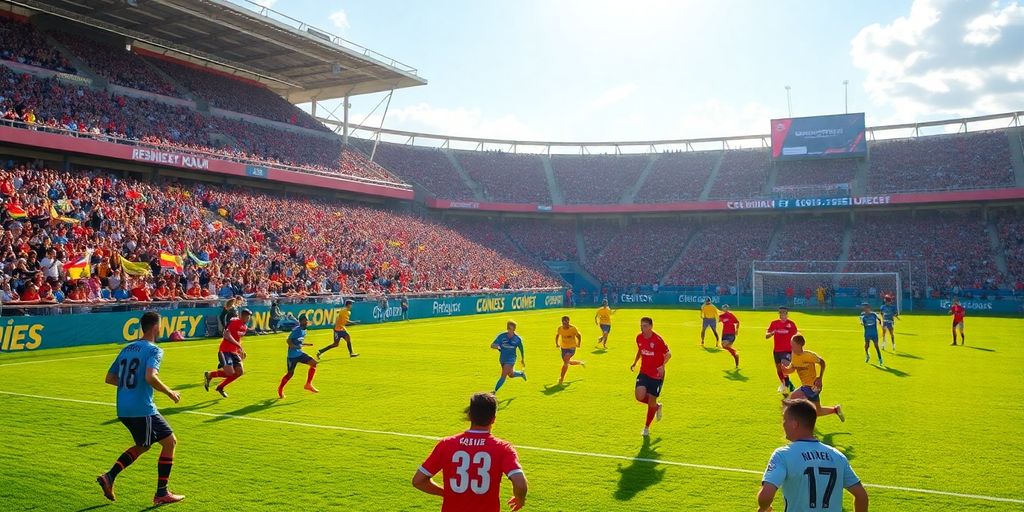
Soccer, or as most of the world calls it, football, has roots that stretch back centuries. The earliest known form of the game, called cuju, was played by soldiers in China during the Han Dynasty around 200 BCE. This ancient game involved kicking a leather ball through a small opening into a net. Meanwhile, other cultures had their own versions too. For instance, the Greeks had a game that mixed elements of soccer with wrestling, and the Egyptians played with a ball made of seeds wrapped in linen.
Development of Modern Soccer Rules
Fast forward to 19th century Britain, where the chaotic and often violent folk games played in towns and villages began to shape into something more organized. In 1863, The Football Association was formed, laying down the first official rules of the game. This was a turning point, marking the birth of modern soccer. The rules, known as the Laws of the Game, provided a standardized framework that allowed the sport to be played and enjoyed globally. These rules transformed soccer from a local pastime into a structured sport with international appeal.
Key Historical Moments in Soccer
Soccer’s history is peppered with significant events that have shaped the game into what it is today. The first official international match was held in 1872 between England and Scotland. Then came the inaugural FIFA World Cup in 1930, hosted by Uruguay, which set the stage for soccer to become a global phenomenon. Post-war periods saw the sport spreading rapidly across continents, with television broadcasts in the 1950s and 60s further boosting its popularity. Notable moments like Pelé’s debut in the World Cup at just 17 and Maradona’s infamous “Hand of God” goal have become legendary, etching unforgettable chapters in the annals of soccer history.
Soccer’s journey from ancient fields to modern stadiums illustrates not just the evolution of a sport, but the unifying power of a simple game that has captured hearts worldwide. It’s more than just a game; it’s a cultural force that continues to grow and inspire.
The Future of Soccer Worldwide
Emerging Markets for Soccer
Soccer is spreading like wildfire in places you might not expect. While Europe and South America have long been the sport’s strongholds, countries in Asia and Africa are catching up fast. China and India, with their massive populations, are investing heavily in soccer infrastructure and youth development programs. This growth isn’t just about playing the game; it’s about creating a whole new generation of fans. In Africa, nations like Nigeria and Senegal are becoming hotbeds for emerging talent, with players making waves in top European leagues.
Technological Advancements in the Game
Technology is changing how we experience soccer. From VAR (Video Assistant Referee) and goal-line technology to wearable fitness trackers, these innovations are making the game fairer and more exciting. Fans can now enjoy real-time stats and analytics, enhancing their understanding of the game. The integration of virtual reality could soon allow fans to “attend” matches from the comfort of their homes, creating an immersive experience like never before.
The Impact of Upcoming World Cups
The upcoming World Cups are set to be game-changers. The 2026 FIFA World Cup, hosted by the United States, Canada, and Mexico, is expected to be the largest ever, with 48 teams competing. This expansion means more countries can participate, spreading the soccer fever even further. The tournament will likely boost soccer’s popularity in North America, turning more casual viewers into die-hard fans.
As soccer continues to grow, its ability to bring people together from all corners of the globe remains unmatched. The future looks bright, with more countries embracing the sport and technological innovations making it more accessible than ever. Soccer is not just a game; it’s a unifying force that transcends borders and cultures.
For those interested in exploring the rich history and cultural impact of soccer, the captivating journey of soccer through documentaries and films offers a deep dive into its global influence and memorable moments.
Conclusion
So, there you have it. Soccer isn’t just a sport; it’s a global sensation. Its simplicity, accessibility, and the sheer passion it ignites make it stand out. Whether you’re playing in a dusty alley or watching the World Cup on a big screen, soccer brings people together like nothing else. It’s a game that transcends borders and cultures, uniting fans in their love for the beautiful game. As soccer continues to grow, especially in places like the U.S., it’s clear that its appeal isn’t going anywhere. Who knows? Maybe one day, it’ll be the top sport everywhere. Until then, let’s enjoy the ride and keep cheering for our favorite teams.
Frequently Asked Questions
Why is soccer so popular worldwide?
Soccer is popular because it’s simple to play, needs minimal equipment, and can be played anywhere. Its global tournaments like the World Cup also bring people together.
What equipment do you need to play soccer?
To play soccer, you just need a ball and a couple of markers for goals. You can use anything like rocks or sticks to mark the goals.
How do soccer rules work?
Soccer rules are easy to understand. The main goal is to kick the ball into the opposite team’s net more times than they do into yours.
Why do soccer fans have strong rivalries?
Soccer fans have strong rivalries because of historic matches and local pride. These rivalries make games more exciting and fun to watch.
How does soccer impact local economies?
Soccer boosts local economies by creating jobs, attracting tourists, and increasing sales in local businesses during matches.
What makes soccer a cultural phenomenon?
Soccer is a cultural phenomenon because it unites people from different backgrounds, influences art and media, and even plays a role in social change.