
The European Super League was meant to be a game changer for soccer, but it quickly fell apart, leaving fans, clubs, and organizations reeling. This ambitious project aimed to create a new elite competition for the continent’s top teams, but it faced overwhelming backlash. In this article, we explore why the European Super League failed soccer and the lessons we can learn from its abrupt collapse.
Key Takeaways
- Fan backlash was immediate and widespread, showing the power of supporter voices.
- Financial motivations were a driving force, but the model was unsustainable for many clubs.
- Major football organizations like UEFA and FIFA played a crucial role in opposing the league.
- Lack of transparency and communication alienated fans and stakeholders alike.
- The cultural impact on traditional football rivalries raised serious concerns about the future of the sport.
Fan Reactions To The Super League Proposal

The announcement of the European Super League was met with a tidal wave of negative reactions. It seemed like almost everyone, from die-hard supporters to casual observers, had something critical to say. The speed and intensity of the backlash really caught the architects of the Super League off guard, and it played a huge role in the league’s swift downfall. It’s safe to say that the clubs involved severely underestimated the power of fan sentiment.
Widespread Outrage Among Supporters
The overwhelming sentiment among fans was one of betrayal and anger. They felt that the Super League was a blatant attempt by wealthy clubs to abandon the principles of fair competition and sporting merit. The idea that a select few clubs could guarantee their participation, regardless of performance, was seen as an affront to the traditions of European football. It felt like a closed shop, designed to benefit the elite at the expense of everyone else. The outrage wasn’t limited to fans of clubs excluded from the Super League; even supporters of the founding members expressed their disapproval.
Calls For Boycotts and Protests
Fans didn’t just voice their displeasure online; they took action. Calls for boycotts of games, merchandise, and even sponsors gained traction quickly. Organized protests sprung up outside stadiums across Europe, with supporters making their feelings known loud and clear. The passion and determination of these protests sent a powerful message to club owners and administrators. It became clear that fans were willing to put their money where their mouth was and disrupt the financial interests of the clubs involved. The WSL promotion system was also a hot topic.
Here’s a quick look at the types of actions fans considered:
- Boycotting matches
- Canceling season tickets
- Refusing to buy club merchandise
- Organizing stadium protests
Influence of Social Media on Public Sentiment
Social media played a huge role in amplifying the outrage and organizing the response to the Super League. Platforms like Twitter and Facebook became hubs for sharing information, coordinating protests, and expressing collective anger. Memes, hashtags, and viral posts helped to spread awareness and galvanize support for the anti-Super League movement. Social media also allowed fans to directly engage with club owners, players, and other stakeholders, putting pressure on them to reconsider their involvement. The speed at which information spread online made it difficult for the Super League proponents to control the narrative. Gary Neville’s comments went viral, further fueling the backlash.
Financial Motivations Behind The League
Desire For Increased Revenue Streams
The driving force behind the Super League was, without a doubt, money. The founding clubs, many of whom were carrying significant debt, saw the Super League as a way to guarantee massive revenue streams that they felt were not adequately available in the existing UEFA Champions League structure. They wanted more control over broadcasting rights, sponsorship deals, and overall distribution of wealth. The promise of billions was too tempting to ignore, especially when compared to the perceived limitations of the current system. It was about securing their financial futures, or at least, that’s how they sold it.
Impact of COVID-19 on Club Finances
The COVID-19 pandemic hit club finances hard. Stadiums were empty, matchday revenue vanished, and broadcasting deals were renegotiated. This created a perfect storm of financial pressure, pushing already indebted clubs closer to the brink. The Super League was presented as a lifeline, a way to recoup losses and stabilize their financial situations. It’s easy to see why clubs, facing such dire circumstances, would be drawn to the financial incentives offered by the breakaway league.
Concerns Over Financial Fair Play
UEFA’s Financial Fair Play (FFP) regulations were designed to prevent clubs from spending beyond their means, but many felt they were ineffective or unfairly enforced. Some clubs viewed the Super League as a way to circumvent these regulations, creating their own financial ecosystem where they could operate with fewer restrictions. The idea was to create a league where they could set their own rules, free from the perceived constraints of UEFA. It was a power play, plain and simple.
The Super League clubs argued that UEFA was a monopoly and that the existing system was broken. They claimed their proposal was the best way to fix it, but they failed to adequately explain how it would benefit the rest of football. This lack of transparency and communication fueled opposition from fans, other clubs, and governing bodies.
Here’s a simplified view of the potential revenue distribution (hypothetical):
| League | Revenue Share (Approx.) |
|---|---|
| Champions League | Variable, merit-based |
| Super League | Fixed, guaranteed |
Ultimately, the financial motivations were clear: more money, more control, and less regulation. But in their pursuit of these goals, the Super League architects underestimated the power of tradition, fan loyalty, and the broader football community.
The Role of Major Football Organizations
UEFA’s Response to the Super League
UEFA, the governing body of European soccer, faced an unprecedented challenge with the emergence of the Super League. Their response was swift and decisive, threatening sanctions against participating clubs and players. UEFA President Aleksander Čeferin strongly condemned the breakaway league, emphasizing the importance of solidarity and the pyramid structure of European football. UEFA’s stance was not just about protecting its own interests; it was about defending the principles of sporting merit and the open competition that defines European soccer. UEFA also highlighted how Champions League revenue gets shared among its members.
FIFA’s Stance and Threats
FIFA, the global governing body, also came out strongly against the Super League. FIFA’s position was clear: any player participating in the Super League would be banned from FIFA-organized competitions, including the World Cup. This threat carried significant weight, as it would have deprived players of the chance to represent their countries on the biggest stage. FIFA’s stance reinforced the idea that soccer is more than just a business; it’s a global sport with a responsibility to its fans and its traditions. The organization’s response underscored the potential consequences for clubs and players who chose to break away from the established soccer structure.
Legal Challenges Faced by Super League Clubs
The Super League clubs faced a complex web of legal challenges in their attempt to establish a new competition. UEFA and FIFA threatened legal action to prevent the Super League from moving forward. The clubs argued that UEFA and FIFA were acting as monopolies, restricting their ability to freely compete. The legal battles raised fundamental questions about the balance of power in soccer and the extent to which governing bodies can control the sport’s structure. The European Court of Justice (ECJ) could have played a crucial role, potentially ruling on whether soccer is primarily a business or a public trust. The legal fallout from the Super League proposal is still ongoing, with potential implications for the future of European soccer governance. Before the dust settles, it is inevitable that the lawyers will be involved.
The Super League saga exposed the ideological fault lines in global football. On one side, there’s the liberal free-market capitalism driven by business interests, particularly from American-owned clubs. On the other, there’s the social democracy of Europe, where football is governed with a more social-democratic model.
Here are some of the legal challenges faced by the Super League clubs:
- Potential lawsuits from UEFA and FIFA.
- Challenges to the legality of restrictions on new competitions.
- Navigating competition law and potential exemptions.
Lack of Transparency and Communication
The Super League’s downfall wasn’t just about the money; it was also a massive failure in how the whole thing was presented and explained. It felt like a backroom deal sprung on everyone without any real thought about how it would be received. The clubs involved seemed to underestimate how much fans value the traditions of European football.
Secrecy Surrounding The League’s Formation
It’s hard to overstate how much the secrecy hurt the Super League’s chances. The whole thing was cooked up behind closed doors, with no input from fans, players, or even most of the clubs outside the inner circle. This lack of openness immediately created suspicion and distrust. It felt like a power grab, not a genuine attempt to improve the sport. The football governing body was not involved.
Failure to Engage Stakeholders
One of the biggest mistakes was not talking to the people who actually care about football. Players, managers, fan groups – they were all left in the dark. It’s like they thought they could just announce this new league and everyone would fall in line.
- Players were blindsided and worried about their careers.
- Managers had to answer questions they couldn’t answer.
- Fans felt betrayed and ignored.
The Super League organizers seemed to think that money alone would be enough to win people over. They didn’t realize that football is about more than just profits; it’s about community, history, and shared passion.
Misunderstanding of Fan Expectations
The Super League organizers completely misjudged what fans wanted. They thought fans just wanted to see big games between big teams, but they didn’t understand the importance of things like promotion, relegation, and local rivalries. The idea that a closed shop of elite clubs could just ignore the rest of the football pyramid was insulting to many fans. The Super League was simply atrocious at explaining why this is necessary or desirable. It simply said — and I’m paraphrasing here — "UEFA is a monopolist, the system is broken, this is the best way to fix it, we’re going to do it, UEFA come negotiate with us to make it happen."
Cultural Impact on European Football
The proposed Super League wasn’t just about money; it struck at the very heart of what makes European soccer special. It threatened the traditions, rivalries, and community connections that fans hold dear. The backlash wasn’t just about economics; it was about protecting the soul of the game.
Threat to Traditional Club Rivalries
One of the biggest concerns was the potential destruction of long-standing rivalries. These aren’t just games; they’re part of the local culture, passed down through generations. Imagine a world where those intense local derbies are replaced by meaningless matches against the same elite teams every year. It would take away a huge part of what makes being a fan so exciting. The history and passion woven into these rivalries are irreplaceable.
Concerns Over Competitive Balance
The Super League threatened to create a closed shop, where a select few clubs were guaranteed success and wealth, regardless of their performance. This would have widened the gap between the elite and the rest, making it even harder for smaller clubs to compete. The beauty of soccer is that anyone can dream of winning, but the Super League would have crushed those dreams for many.
Impact on Grassroots Football
Another worry was the impact on grassroots football. A lot of money that trickles down to smaller clubs and youth academies comes from the success of the bigger teams. If the Super League siphoned off even more of that revenue, it could have had a devastating effect on the development of young players and the health of local communities. It’s important to remember that the future of the game depends on nurturing talent at all levels. UEFA’s difficult position revenues are driven by wealthy teams, but it must represent all members.
The Super League was seen as a betrayal of the values that make European football so special. It was a reminder that money can’t buy passion, history, or community. The collapse of the Super League was a victory for fans and a reaffirmation of the importance of protecting the cultural heritage of the game.
Here’s a quick look at how the money is distributed in a typical league:
- Top teams get a larger share of TV revenue.
- Some funds are allocated to smaller clubs for development.
- Youth academies rely on funding from the parent club.
Lessons Learned From The Collapse
Importance of Fan Engagement
The swift and decisive backlash against the Super League served as a stark reminder of the power of fan sentiment. Ignoring the desires and traditions cherished by supporters can have catastrophic consequences for any sporting venture. The clubs involved severely underestimated the emotional connection fans have with their teams and the existing league structures. This debacle underscores the need for clubs to actively engage with their fan base and consider their views when making major decisions.
Need for Sustainable Financial Models
While the desire for increased revenue was a driving force behind the Super League, the proposed model lacked long-term sustainability and failed to address the underlying financial issues plaguing many clubs. A more balanced approach is needed, one that prioritizes financial responsibility and fair competition over short-term gains. It’s clear that clubs need to explore alternative revenue streams and implement stricter financial controls to ensure their long-term viability. The financial motivations were clear, but the execution was flawed.
Reevaluation of Competition Structures
The Super League’s collapse has prompted a broader discussion about the future of European football and the need to reevaluate existing competition structures. While change may be necessary to address financial disparities and ensure competitiveness, it must be done in a way that respects the traditions and values of the sport. This includes considering:
- Promotion and relegation systems
- Fairer distribution of revenue
- Maintaining competitive balance
The Super League fiasco highlighted the deep-seated issues within European football governance and the urgent need for reform. It’s a wake-up call for all stakeholders to work together to create a more sustainable and equitable future for the sport.
Future of European Football Governance
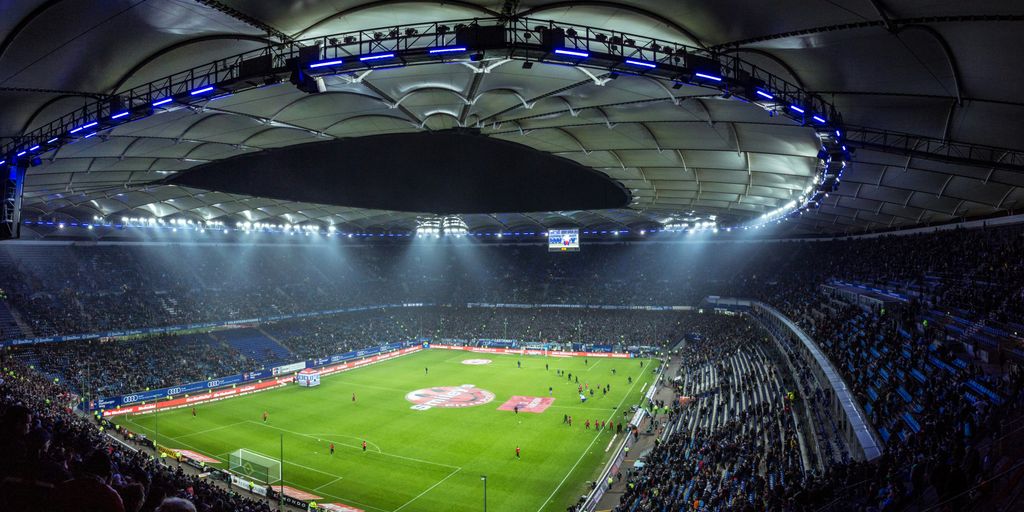
The swift collapse of the Super League has left many wondering what the future holds for European football. It’s clear that the old ways of doing things are being challenged, and major changes could be on the horizon. The entire episode exposed deep-seated issues within the sport’s governance, forcing a serious look at how things are run from top to bottom.
Potential Reforms in UEFA and FIFA
UEFA and FIFA, the two main governing bodies, are under immense pressure to reform. There’s a growing call for greater transparency and accountability in their operations. One key area of focus is financial fair play regulations, which aim to prevent clubs from spending beyond their means. However, enforcing these rules has proven difficult, as seen in past cases with clubs like Manchester City. Stricter enforcement and more transparent processes are needed to build trust and ensure fair competition. It’s not just about the rules themselves, but how they’re applied and who’s watching.
Emerging Alternatives to The Super League
While the Super League failed spectacularly, the underlying issues that drove its creation haven’t disappeared. Clubs still crave more revenue and control. This has led to discussions about alternative competition structures that could address these concerns without completely abandoning the principles of European football. Some ideas include revamping the Champions League format to provide more games and revenue for top clubs, or exploring new ways to distribute wealth more evenly across leagues. Innovation is key, but it needs to be balanced with the traditions and values of the sport.
Long-Term Implications for Club Football
The Super League debacle has long-term implications for club football. It highlighted the importance of fan engagement and the need for clubs to consider the broader impact of their decisions. The incident also raised questions about the balance of power between clubs, leagues, and governing bodies. Will we see a shift towards greater club control, or will UEFA and FIFA be able to reassert their authority? The answer to this question will shape the future of the sport for years to come. The future of soccer-themed video games is also uncertain.
The push for financial growth in European football is undeniable, but it needs to be managed responsibly. The challenge lies in finding a way to balance the economic interests of clubs with the need to preserve the integrity and competitiveness of the sport. This requires open dialogue, collaboration, and a willingness to compromise from all stakeholders.
Here’s a look at potential future scenarios:
- Increased fan involvement in decision-making processes.
- Stricter financial regulations and enforcement mechanisms.
- More equitable distribution of revenue among clubs and leagues.
Final Thoughts on the Super League’s Downfall
In the end, the European Super League was a lesson in what happens when big clubs forget about the fans. It was a bold move that backfired spectacularly. The backlash from supporters was swift and fierce, showing that loyalty to clubs runs deeper than any financial gain. The whole idea felt more like a cash grab than a genuine effort to improve the game. Now, as we look back, it’s clear that the Super League’s failure wasn’t just about the money; it was about the disconnect between clubs and their fans. If anything, this saga reminds us that football is more than just a business—it’s a community. And when you ignore that, you risk losing everything.
Frequently Asked Questions
What caused the European Super League to fail?
The European Super League failed mainly because fans were very upset about it. They protested and boycotted their teams, making it clear they didn’t want this new league.
How did fans react to the Super League proposal?
Fans showed a lot of anger and disappointment. Many supporters of the clubs involved protested and even threatened to stop supporting their teams.
What were the financial reasons behind the Super League?
The clubs wanted to make more money, especially after losing money during the COVID-19 pandemic. They believed the Super League would help them earn more.
How did football organizations respond to the Super League?
UEFA and FIFA strongly opposed the Super League. They threatened to ban teams from their competitions and took legal action against the clubs involved.
Why was communication about the Super League poor?
The clubs did not explain well why the Super League was needed. They kept many details secret and did not engage with fans, which led to confusion and anger.
What lessons can be learned from the Super League’s collapse?
One big lesson is that clubs need to listen to their fans. Also, there is a need for better financial practices in football to ensure fair competition.