
Women’s soccer has come a long way, and it’s been quite a journey. From its humble beginnings with a few brave pioneers to the massive international tournaments we see today, the sport has faced its fair share of challenges. But with each hurdle, it has only grown stronger and more popular. This article dives into the history of women’s soccer, exploring key moments, influential figures, and the cultural impact it has had around the world.
Key Takeaways
- Women’s soccer started with a few pioneering clubs and faced significant challenges.
- The Women’s World Cup and Olympic inclusion were major milestones for the sport.
- Historic matches and players have shaped the evolution of women’s soccer.
- Media and sponsorship have played crucial roles in the sport’s growth.
- Women’s soccer continues to break barriers and inspire future generations.
Early Beginnings of Women’s Soccer
Pioneers of the Game
In the late 19th century, women began to lace up their boots and hit the soccer field. The earliest recorded match took place in 1895 in England, where two teams, the "North" and the "South," faced off. These early games were more than just sports; they were a statement. Women were challenging societal norms and carving out a space for themselves in the world of sports. These pioneers laid the groundwork for what would become a global phenomenon.
First Women’s Soccer Clubs
The establishment of women’s soccer clubs was a pivotal moment in the sport’s history. The first known club, the British Ladies’ Football Club, was founded in 1894 by Nettie Honeyball, a forward-thinking woman determined to prove that women could play the game just as well as men. This club inspired the formation of several others, creating a network of teams that would compete and grow the sport. The spirit of these early clubs was infectious, spreading enthusiasm and passion for the game across the country.
Challenges and Barriers
Despite the enthusiasm, women’s soccer faced significant challenges. The English Football Association (FA) banned women from playing on their fields in 1921, citing concerns over the game’s physicality and its impact on women’s health. This ban, which lasted until 1971, forced women to play on less formal grounds and limited their access to resources. Nevertheless, women persisted, organizing their own matches and tournaments. They formed independent leagues, showcasing their resilience and determination to play the sport they loved. Their efforts kept the spirit of women’s soccer alive, setting the stage for future growth and development.
The Rise of International Competitions
Inception of the Women’s World Cup
The Women’s World Cup has become a cornerstone in the landscape of women’s soccer. It all started in 1991, when the first tournament was held in China. The event was a huge success, drawing twelve teams from around the world and setting the stage for what would become a global phenomenon. The United States came out on top, marking the beginning of their dominance in the sport. This event was not just a tournament; it was a declaration that women’s soccer was here to stay.
Olympic Inclusion and Impact
Soccer made its Olympic debut for women in 1996, and this was a game-changer. Held in Atlanta, the tournament saw the U.S. team clinch the gold medal, further cementing their status as a powerhouse in women’s soccer. The Olympics provided a massive platform, showcasing the sport to a global audience and inspiring countless young girls to take up the game. It wasn’t just about medals; it was about visibility and recognition.
Growth of International Tournaments
Since the 1990s, international tournaments for women’s soccer have expanded significantly. Now, there are numerous competitions, from the Algarve Cup to the SheBelieves Cup, each offering a stage for teams to shine. These tournaments not only promote the sport but also foster a sense of community and competition among nations. The growth of these events reflects the increasing popularity and acceptance of women’s soccer worldwide.
The rise of international competitions in women’s soccer has not only elevated the sport but also challenged long-standing gender norms, paving the way for future generations of female athletes.
Key Milestones in Women’s Soccer History
Historic Matches and Moments
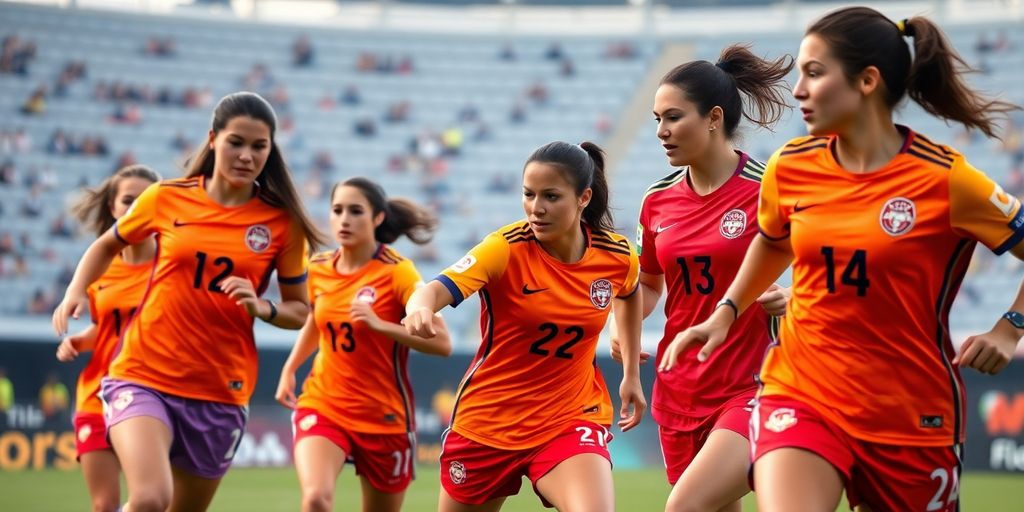
Women’s soccer has seen some truly unforgettable matches. One of the most iconic moments was the 1999 Women’s World Cup final, where the United States women’s national soccer team clinched victory against China in a nail-biting penalty shootout. This match, held at the Rose Bowl, drew a record crowd of over 90,000 spectators, marking a significant moment in women’s sports history. The image of Brandi Chastain celebrating the winning penalty kick is etched in the memories of fans worldwide.
Influential Players and Coaches
Over the years, many players and coaches have left an indelible mark on the game. Mia Hamm, known for her incredible goal-scoring ability, paved the way for future generations of female athletes. Coaches like Anson Dorrance, who led the U.S. women’s team to its first World Cup victory, have been instrumental in shaping the sport. Their contributions continue to inspire young athletes.
Evolution of Rules and Regulations
The rules governing women’s soccer have evolved significantly. Initially, women faced restrictions, such as shorter match durations and smaller ball sizes. Over time, these rules have aligned more closely with the men’s game, promoting fairness and competition. The introduction of professional leagues has further standardized regulations, providing a consistent framework for the sport’s growth.
Women’s soccer has come a long way from its early days, overcoming numerous challenges to become a global phenomenon. The journey has been marked by perseverance, talent, and a relentless pursuit of equality on and off the field. The future holds even more promise as the sport continues to break barriers and inspire the next generation of players.
The Role of Media and Sponsorship
Media Coverage Over the Decades
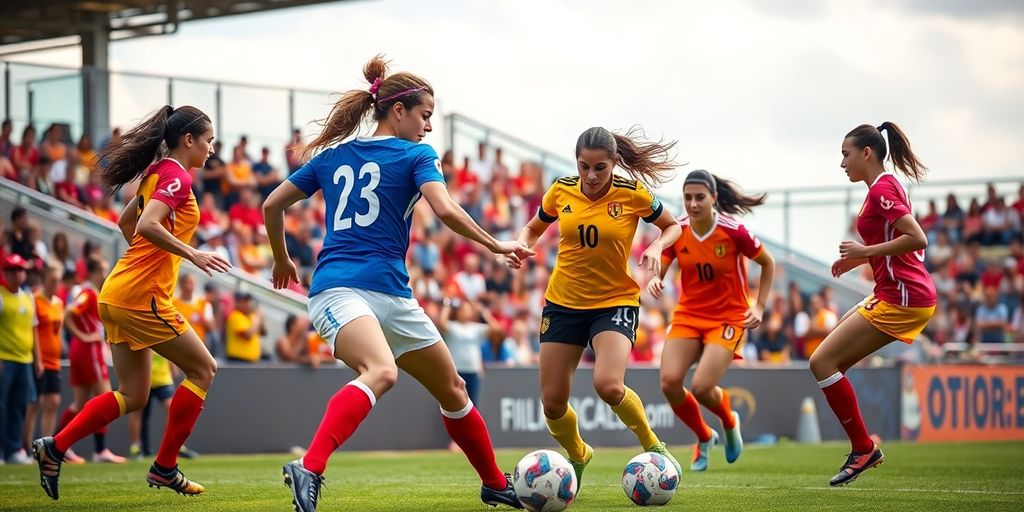
Women’s soccer has come a long way, but media coverage hasn’t always been on its side. In the early days, matches were often ignored or buried in the sports section. However, as the sport gained momentum, media coverage started to improve. Television networks began broadcasting major tournaments, bringing women’s soccer into living rooms worldwide. This shift not only increased visibility but also helped change public perception. Today, social media platforms have become a game-changer, allowing players to connect directly with fans and share their stories.
Sponsorship Deals and Their Impact
Sponsorships have played a crucial role in the development of women’s soccer. Initially, financial support was minimal, with companies hesitant to invest in what they saw as a niche market. But as the sport’s popularity grew, so did sponsorship deals. Brands like Nike and Adidas started signing female players, providing them with the resources to train and compete at higher levels. These deals have not only provided financial backing but have also helped legitimize the sport in the eyes of the public.
The Influence of Social Media
Social media has revolutionized how we engage with sports, and women’s soccer is no exception. Platforms like Instagram and Twitter allow players to build personal brands and reach global audiences. This direct connection with fans has empowered players, giving them a voice and platform to advocate for equality and other social issues. Moreover, social media campaigns have been instrumental in raising awareness and support for women’s soccer, making it more accessible and inclusive for everyone.
The growing presence of female soccer fans is reshaping the sport’s landscape, driven by major tournaments and social media engagement. Soccer serves as a unifying force globally, with media playing a crucial role in fan interaction. Additionally, soccer’s intersection with fashion and music highlights its cultural significance, transforming jerseys into fashion statements and creating vibrant streetwear trends. Overall, soccer transcends mere sport, becoming a powerful cultural phenomenon.
Women’s Soccer in the Modern Era
Professional Leagues Around the World
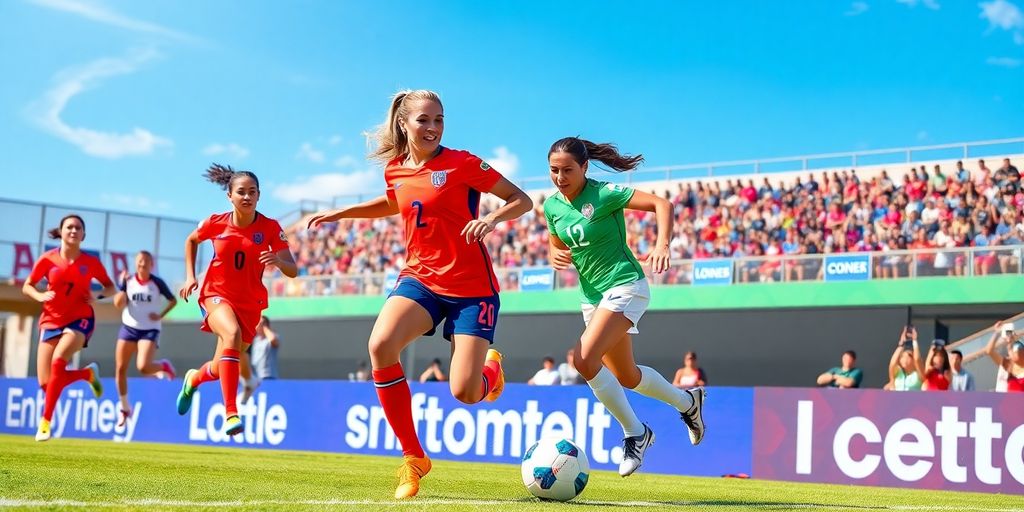
Women’s soccer has grown incredibly, especially with the rise of professional leagues around the globe. The Women’s Super League (WSL) in England, the National Women’s Soccer League (NWSL) in the U.S., and the Division 1 Féminine in France are just a few examples of leagues that are not only expanding in size but also in popularity. These leagues have become essential platforms, providing female athletes with opportunities to showcase their skills and pursue soccer as a viable career. The increase in competitive play has also attracted international talent, making these leagues more diverse and exciting.
Current Challenges and Opportunities
Despite the progress, women’s soccer faces several challenges. Pay disparity between male and female players remains a significant issue. While some strides have been made, there’s still a long way to go. Additionally, media coverage and sponsorship deals for women’s soccer lag behind their male counterparts. However, these challenges also present opportunities. The growing interest in women’s sports can drive changes in how games are broadcasted and marketed. More visibility can lead to increased sponsorships and better financial rewards for players.
The Future of Women’s Soccer
Looking ahead, the future of women’s soccer is bright. With increasing investment and interest, the sport is poised for even greater growth. Grassroots movements and community programs are encouraging more young girls to take up soccer, ensuring a steady stream of talent. There’s also a push for more representation of women in coaching and administrative roles within soccer organizations. This shift not only helps in breaking stereotypes but also enriches the sport with diverse perspectives.
The evolution of women’s soccer is a testament to the determination and passion of countless players, coaches, and supporters. Their efforts have transformed the sport from a marginalized activity into a global phenomenon, inspiring future generations to continue the journey.
Cultural and Social Impact of Women’s Soccer
Breaking Stereotypes and Gender Norms
Women’s soccer has been a powerful force in breaking down traditional gender roles. For years, women faced significant hurdles just to play the sport they loved. Now, female players are celebrated for their skills and passion, challenging outdated notions about what women can achieve. This shift in perception has not only changed the game but also inspired countless young girls to pursue their dreams without limitations.
Soccer as a Tool for Empowerment
Soccer isn’t just a game; it’s a platform for empowerment. Women around the world use soccer to build confidence, leadership skills, and a sense of community. Whether playing on a local team or competing on the international stage, these athletes show that soccer can be a powerful tool for personal and collective growth. The sport has become a symbol of resilience and strength, encouraging women to take charge both on and off the field.
Community and Grassroots Movements
Grassroots movements have played a crucial role in the development of women’s soccer. Local clubs and community initiatives have provided opportunities for women to play and excel in the sport. These grassroots efforts have fostered a sense of belonging and support, helping to nurture the next generation of female soccer stars. Through community involvement, women’s soccer has become more inclusive and accessible, paving the way for future growth and success.
Women’s soccer has become more than just a sport; it’s a movement that transcends the boundaries of the game. It highlights the race for global dominance and cultural progress, showcasing the power of unity and determination in the face of adversity.
By challenging stereotypes, empowering individuals, and building strong communities, women’s soccer continues to make a lasting impact on society. As the sport grows, it will undoubtedly continue to inspire and transform lives around the world.
Conclusion
Women’s soccer has come a long way, and it’s been quite the journey. From the early days when it was barely recognized, to now, where it’s celebrated on the world stage, the progress is undeniable. The sport has seen incredible athletes who have not only showcased their skills but have also broken barriers and inspired countless others. With each tournament, the excitement grows, and the fan base expands. It’s not just about the game anymore; it’s about empowerment, equality, and passion. As we look to the future, there’s no doubt that women’s soccer will continue to thrive and inspire, proving that it’s here to stay and make its mark in the sports world.
Frequently Asked Questions
When did women’s soccer start gaining popularity?
Women’s soccer began gaining popularity in the late 20th century, especially after the first Women’s World Cup in 1991.
Who was the first woman to referee an international soccer match?
Jo Ann Fairbanks was the first American female referee to officiate at an international event in 1991.
Which country won the first Women’s World Cup?
The United States won the first Women’s World Cup in 1991.
When did women’s soccer become an Olympic sport?
Women’s soccer became an Olympic sport in 1996.
Who is a famous American soccer player with the most goals?
Mia Hamm is a famous American soccer player known for having the most goals in international play.
What was the largest crowd to watch a women’s soccer match?
The largest crowd was 90,185 people at the Rose Bowl in Pasadena, California, during the 1999 World Cup final.