
Christmas Day football matches have a surprising history, stretching back to the early days of the sport. While it might seem unusual now, playing games on December 25th was once a common tradition in England. This article dives into that past, looks at some famous players who took part, and compares it to how other leagues and the NFL handle games on this holiday. It’s interesting to see how the idea of football matches played on Christmas Day has evolved over time.
Key Takeaways
- The tradition of football matches played on Christmas Day began in England in 1889 with the Football League, drawing large crowds in its early years.
- Famous players like Dixie Dean and Tommy Lawton participated in Christmas Day games, with Dean notably scoring multiple goals on the holiday.
- Player feedback from the mid-20th century shows discontent with playing on Christmas Day due to the disruption to family life.
- English football largely stopped playing games on Christmas Day after 1959, shifting focus to Boxing Day, though Scotland maintained the tradition longer.
- While most European leagues are quiet on Christmas, some countries like Bolivia and several in Africa and the Middle East still schedule football matches on December 25th.
The Origins of Christmas Day Football Matches
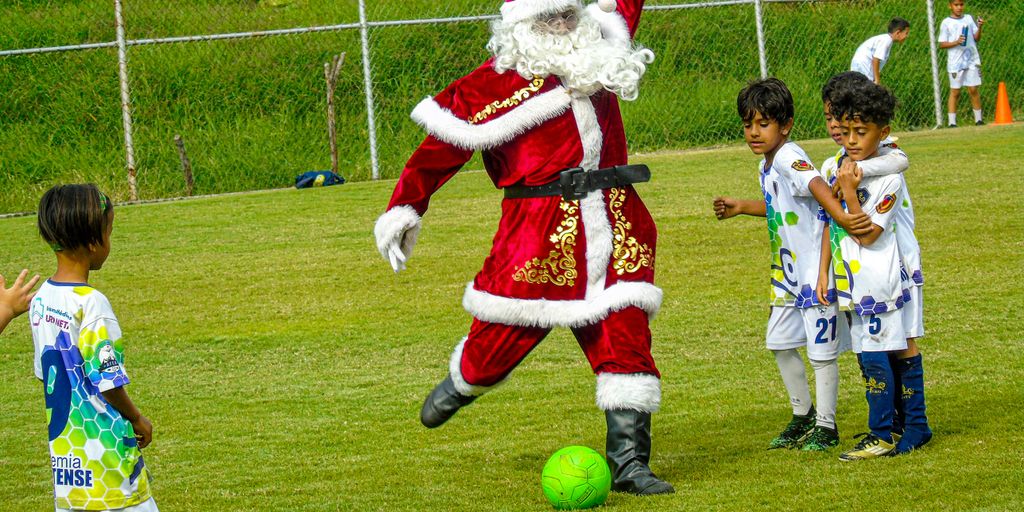
It might seem a bit strange to us now, with the festive period in English football being dominated by Boxing Day fixtures, but there was a time when playing on Christmas Day itself was a real tradition. This practice dates back to the early days of organized football.
The Inaugural Football League Christmas Fixture
The first official Christmas Day match in the Football League took place in 1889, during the league’s second season. It was a contest between Preston North End and Aston Villa. Preston North End came out on top, winning 3-2. This game marked the beginning of what would become a notable, albeit temporary, holiday tradition.
Early Crowds and Growing Popularity
After the First World War, the idea of Christmas Day football really took off. Crowds started getting bigger and bigger. In fact, by 1948, over a million fans had turned up to watch games played on Christmas Day across the country. The popularity continued right through the 1950s, showing just how much people enjoyed this unique holiday fixture.
Everton’s Festive Footballing History
Everton Football Club has a particularly interesting history with Christmas Day games. Even before the official league fixture in 1889, the club participated in multiple matches on Christmas Day. One notable instance saw them play two games in a single day: one in the morning against Blackburn Park Road and another exhibition match in the afternoon against Ulster FC. This shows a long-standing connection between the club and playing football during the holidays.
Iconic Players and Christmas Day Games
Christmas Day football has seen its fair share of legendary figures grace the pitch, leaving their mark on this unique holiday tradition. While the idea of playing on December 25th might seem odd to many today, it was once a regular occurrence, and some players became synonymous with these festive fixtures.
Dixie Dean’s Christmas Day Feats
Dixie Dean, an Everton legend, was no stranger to playing on Christmas Day. During his prolific career, Dean participated in numerous Christmas Day matches for the Toffees. One particularly memorable game in 1926 saw him score an incredible four goals in a thrilling 5-4 victory. Over his career, Dean netted a total of 10 goals on Christmas Day, a testament to his enduring presence during the holiday season. Even before the official Football League fixtures began on Christmas, Everton was known to play multiple games on the day, showcasing their commitment to festive football.
Tommy Lawton’s Dual Appearances
Another notable player who experienced Christmas Day football was Tommy Lawton. In 1940, Lawton played a morning match for Everton and then, remarkably, crossed the Mersey to represent Tranmere Rovers in the afternoon. This kind of dual participation highlights the unique demands and perhaps the spirit of football during wartime. While Lawton’s festive double-header is a fascinating anecdote, it also touches upon the player’s perspective on these games, which we’ll explore further.
The tradition of playing football on Christmas Day, while now largely a thing of the past in England, was once a significant part of the sporting calendar. It offered fans a unique way to celebrate the holiday, even if it meant players had to put their family celebrations on hold. The stories of players like Dixie Dean and Tommy Lawton give us a glimpse into what that era was like.
Player Perspectives on Festive Fixtures
While many fans today associate the festive football period with Boxing Day, there was a time when Christmas Day itself was a significant date on the football calendar. This tradition, however, wasn’t always a hit with the players. For many, the idea of spending a major family holiday on the pitch, away from loved ones, was a tough pill to swallow.
The Disruption to Home Life
Playing on Christmas Day meant a significant disruption to the personal lives of footballers. Imagine trying to enjoy a holiday meal or spend time with your children, only to have to head off to a match. It wasn’t just about missing out on the festivities; it was about the logistical nightmare it created for families. Players often had to travel, meaning they were away from home on a day typically reserved for being together. This meant missing out on traditions like opening presents or enjoying a special Christmas dinner with their families. It was a sacrifice that many felt was too great, especially when the crowds for these specific games weren’t always massive.
Player Discontent with Christmas Day Matches
It wasn’t uncommon for players to voice their unhappiness with the Christmas Day fixture schedule. Some players, like the famous Jimmy Greaves, openly expressed their desire for the tradition to end. He noted in 1958 that while the crowds might not have been huge, the disruption to home life was considerable. He specifically mentioned missing out on Christmas pudding and, if an away game was involved, the entire holiday was essentially cancelled for the player. Ray Barlow, a player with over 400 Football League appearances, echoed this sentiment, stating he didn’t know any players who actually enjoyed the idea of a Christmas Day match. This widespread player discontent eventually contributed to the phasing out of these fixtures in many leagues, with England last hosting Christmas Day games in 1959. The focus gradually shifted to Boxing Day, which still allowed players a Christmas Day at home while keeping the tradition of post-holiday football alive for the fans. You can see how fan attendance has changed over the years by looking at global soccer attendance trends.
The clash between the demands of professional sport and the sanctity of family holidays created a persistent tension, ultimately leading to a shift in scheduling priorities.
The End of an Era for British Christmas Football
For a long time, playing football on Christmas Day was a real tradition in Britain. It feels pretty strange to think about now, doesn’t it? Back in the day, it wasn’t uncommon to see league matches happening right on December 25th. The whole thing really kicked off in the second season of the Football League, in 1889, with a game between Preston North End and Aston Villa. It was a hit, especially after World War I, with crowds getting bigger and bigger. By 1948, over a million fans showed up for games on Christmas Day!
The Last Christmas Day Football League Games
But, like most traditions, things change. The last time English Football League teams played on Christmas Day was in 1959. There were only two games that day: Blackburn beat Blackpool 1-0, and Coventry City had a higher-scoring 5-3 win against Wrexham. After that, it just stopped. It wasn’t really about a lack of interest, though. Many players weren’t fans of it. Imagine having to skip Christmas dinner with your family to play a match! Players like Jimmy Greaves and Ray Barlow both mentioned in the past how it messed with their home lives. It seems the disruption just wasn’t worth it anymore.
Scotland’s Extended Festive Tradition
Scotland, though, kept the Christmas Day games going a bit longer. The last time they had a full slate of fixtures on December 25 was in 1976, although bad weather did cause some postponements. A few years before that, in 1971, they managed a full round of top-flight games, with both Celtic and Rangers winning their matches. It’s interesting to think about how different regions kept traditions alive for different lengths of time. Scotland has a long history with the sport, with some evidence suggesting they were playing a form of soccer as early as the 17th century, which might explain their different approach to the festive schedule. You can read more about Scotland’s early football history.
The Rise of Boxing Day Football
So, with Christmas Day games fading away, what took their place? Boxing Day, December 26th, became the big day for festive football. It’s the perfect way to get out of that post-Christmas slump, and the Premier League, in particular, schedules a lot of games. It’s become the new go-to for fans wanting their football fix during the holidays, even if it means the players are still working right after Christmas Day itself.
International Football on Christmas Day
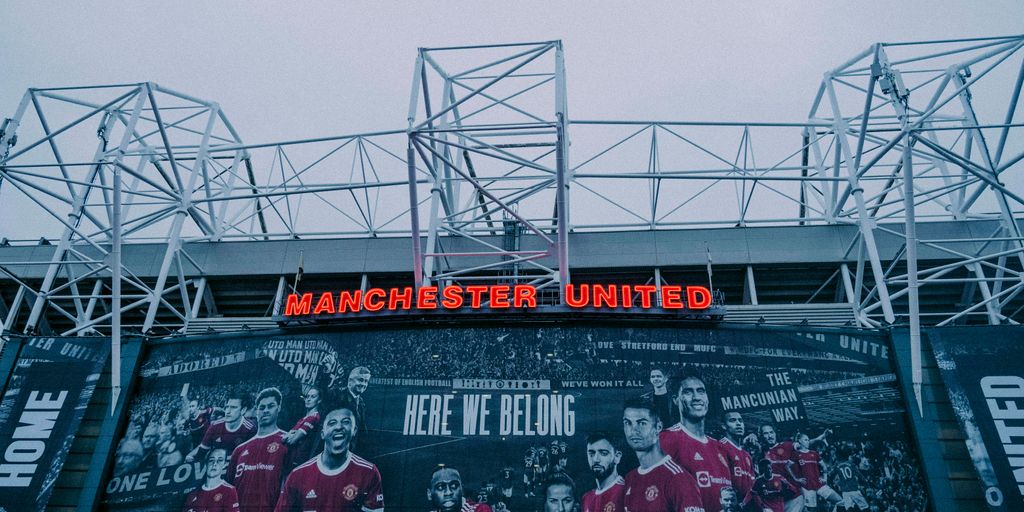
While many European leagues take a winter break, the tradition of playing football on Christmas Day isn’t entirely absent from the global football calendar. It’s a practice that pops up in various corners of the world, often in countries where Christmas isn’t the primary cultural or religious holiday, or due to unique scheduling circumstances.
Leagues Observing Christmas Day Matches
In several nations, the festive period doesn’t necessarily mean a pause in league play. Countries like Morocco, Egypt, Tanzania, and Tunisia have been known to schedule domestic fixtures on December 25th. Additionally, international competitions, such as qualifiers for the African Nations Championship or Gulf Cup matches, might also fall on this date, featuring national teams from regions where Christmas is not a widespread public holiday. This allows football to continue as a popular pastime for fans even during the global holiday season.
Bolivia’s Unique Christmas Fixtures
Bolivia offers a particularly interesting case study. Despite being a predominantly Roman Catholic country, its football league has, on occasion, played matches on Christmas Day. This unusual occurrence in 2019 was a direct result of a heavily disrupted football calendar. Political protests and marches had significantly delayed the season, pushing the final matches into late December. To accommodate the backlog, games were scheduled for December 25th, demonstrating how external factors can override traditional holiday breaks in professional sports. It’s a stark reminder that the rhythm of football can be dictated by circumstances far beyond the usual festive cheer, sometimes even impacting less common matchups.
The NFL’s Christmas Day Tradition
While European football has its long-standing Boxing Day tradition, the NFL has carved out its own niche on Christmas Day. It wasn’t always this way, though. For a long time, games on December 25th were rare, often limited to playoff matchups or the occasional regular-season game when the holiday fell on a weekend. But in recent years, the league has really leaned into the holiday, scheduling more and more games. It’s become a pretty big deal, with the NFL even competing with the NBA for holiday viewership, and honestly, they’re winning.
The Longest NFL Christmas Day Game
Back in 1971, the very first NFL games were played on Christmas Day. The day featured two divisional playoff games. The second of these, a contest between the Kansas City Chiefs and the Miami Dolphins, still holds the record for the longest NFL game ever played. It went into double overtime, lasting a staggering 82 minutes and 40 seconds of actual game time before Miami clinched the win. It was a wild game, with Hall of Famers on both sides, and it really set a tone for the holiday’s potential.
The Growing Presence of NFL on Christmas
The NFL’s commitment to Christmas Day games has definitely increased. Commissioner Roger Goodell has overseen a significant rise in holiday matchups since he took the helm. In fact, more than half of all the Christmas Day games played in the league’s history have occurred during his tenure. This trend shows a clear strategy to capitalize on the holiday’s appeal. It’s interesting to see how this compares to other sports, like how the NBA has long had a presence on Christmas, but the NFL’s viewership numbers have really taken off.
Recent Christmas Day NFL Triple-Headers
Lately, the NFL has been scheduling multiple games on Christmas, with triple-headers becoming more common. This is a big shift from the past. For example, Christmas 2023 marked the fourth consecutive year with games on the holiday, and it was the second time the league aired three games on the day. This strategy aims to capture a massive audience, especially when Christmas falls on a day that fits the typical NFL schedule. It’s a smart move for viewership, offering fans a full day of football.
The league views these holiday games as prime opportunities to connect with fans nationwide, creating memorable moments during a time when families often gather. It’s a deliberate effort to build and celebrate the sport during a significant cultural event.
Here’s a look at how the number of NFL games on Christmas has grown over the decades:
| Decade | Total Games | Notes |
|---|---|---|
| 1970s | 2 | Two divisional playoff games in ’71 |
| 1980s | 1 | 1989 regular-season finale |
| 1990s | 4 | Regular-season games |
| 2000s | 8 | First double-headers |
| 2010s | 6 | Double-headers |
| 2020-2023 | 9 | First triple-headers; four straight years |
This expansion shows a clear pattern of the NFL embracing Christmas Day as a major event on its calendar. It’s a tradition that seems to be here to stay, much like the NBA’s own holiday games, which have been happening since 1947.
The NFL’s Scheduling Strategy for Christmas
National Appeal and Club Interest
The NFL’s decision to schedule games on Christmas Day isn’t just about filling a holiday slot; it’s a strategic move to capture a massive audience. The league actively seeks matchups with significant national appeal, understanding that a Christmas Day game gets a dedicated, prime-time broadcast window without competition. Clubs are consulted about their willingness to play, and there’s a clear promotional benefit for teams featured on this unique holiday stage. It’s a chance for players to be part of a special event, even if it means adjusting personal holiday plans. The league views these days as prime opportunities to engage fans and build the sport’s presence.
Considerations for Mid-Week Christmas Games
When Christmas Day falls on a Tuesday or Wednesday, the NFL faces a scheduling puzzle. While theoretically possible to play games on these days, the league has expressed a preference against it. The focus shifts to maintaining competitive balance and ensuring adequate rest for teams as they approach the postseason. Playing mid-week, especially late in the season, could disrupt the playoff push. Therefore, the NFL prioritizes scheduling games on days already in their typical rotation, allowing them to celebrate the holiday with fans without compromising the integrity of the competition.
The NFL’s View on Future Christmas Scheduling
The NFL sees a strong future for Christmas Day football. They’ve noted the success of recent triple-headers and are open to continuing this format if the schedule allows. The league is mindful of the total number of games played over the holiday weekend to avoid overexposure. As Christmas falls on different days of the week in upcoming years, the NFL will continue to evaluate opportunities to maximize fan engagement. They’ve found that when Christmas lands on a weekend day, it presents a natural fit for scheduling games, allowing them to tap into the holiday spirit and reach a broad audience. The league’s partnership with broadcasters like CBS and Nickelodeon, which offers kid-friendly broadcasts, further shows their commitment to making Christmas Day football a widely appealing event. You can check out the 2025 NFL regular season schedule for upcoming game details.
The NFL’s approach to Christmas Day games is a calculated blend of tradition, fan engagement, and strategic scheduling. By selecting high-profile matchups and considering the broader holiday calendar, the league aims to make Christmas Day a significant event in the NFL calendar, much like Thanksgiving.
A Holiday Tradition, Evolving
So, while the roar of the crowd on Christmas Day itself might be a memory from a bygone era in English football, the spirit of the game during the holidays certainly isn’t gone. From the early days of packed stadiums on December 25th to the modern-day spectacle of the NFL drawing massive viewership on the same holiday, football continues to find its place in our festive celebrations. Boxing Day games in England keep the tradition alive for many, offering a perfect way to shake off the post-Christmas lull. It’s clear that no matter how the schedule shifts, the love for football and its connection to the holiday season remains strong.
Frequently Asked Questions
When was the first Christmas Day football game played?
The first official Christmas Day football match in the Football League happened in 1889 between Preston North End and Aston Villa. Preston North End won that game 3-2. This started a tradition that lasted for many years.
Do any countries still play football on Christmas Day?
Yes, some countries still play football on Christmas Day. While most European leagues take a break, leagues in places like Morocco, Egypt, Tanzania, Tunisia, and Bolivia have scheduled games on December 25th. This is often because Christmas isn’t as widely celebrated or due to specific calendar reasons.
When did football stop being played on Christmas Day in Britain?
In Britain, the last Christmas Day football games were played in 1959. After that, leagues decided to stop playing on December 25th, partly because it disrupted players’ family time. Boxing Day, the day after Christmas, became the popular day for festive football.
How did players feel about playing on Christmas Day?
Some players didn’t like playing on Christmas Day because it meant they couldn’t spend the holiday with their families. Famous player Jimmy Greaves mentioned in 1958 that it disrupted home life and meant missing out on Christmas traditions like eating Christmas pudding.
Is playing football on Christmas Day a tradition in the NFL?
The NFL has made playing on Christmas a tradition, especially in recent years. They often schedule multiple games on the holiday, sometimes called triple-headers. This has become a big event for NFL fans, drawing large TV audiences.
What was the longest NFL game played on Christmas Day?
The longest NFL game ever played on Christmas Day was in 1971 between the Kansas City Chiefs and the Miami Dolphins. It lasted an amazing 82 minutes and 40 seconds and went into double overtime. The Dolphins won that game 27-24.