
Soccer’s a blast, no doubt about it. But with all the running, kicking, and tackling, injuries can happen. From muscle strains to concussions, soccer injuries are part of the game. The good news? Many of these can be avoided with the right precautions. Let’s dive into some common soccer injuries and see how you can keep yourself safe on the field.
Key Takeaways
- Muscle strains and sprains are super common in soccer. Warm up properly to avoid them.
- Fractures and bruises happen, especially in high-contact areas. Wear good protective gear.
- Concussions are serious. Know the signs and play it safe if you suspect one.
- Dynamic stretching and cooling down are key to preventing injuries.
- Wearing the right gear, like shin guards and proper shoes, can make a big difference.
Understanding Common Soccer Injuries
Muscle Strains and Sprains
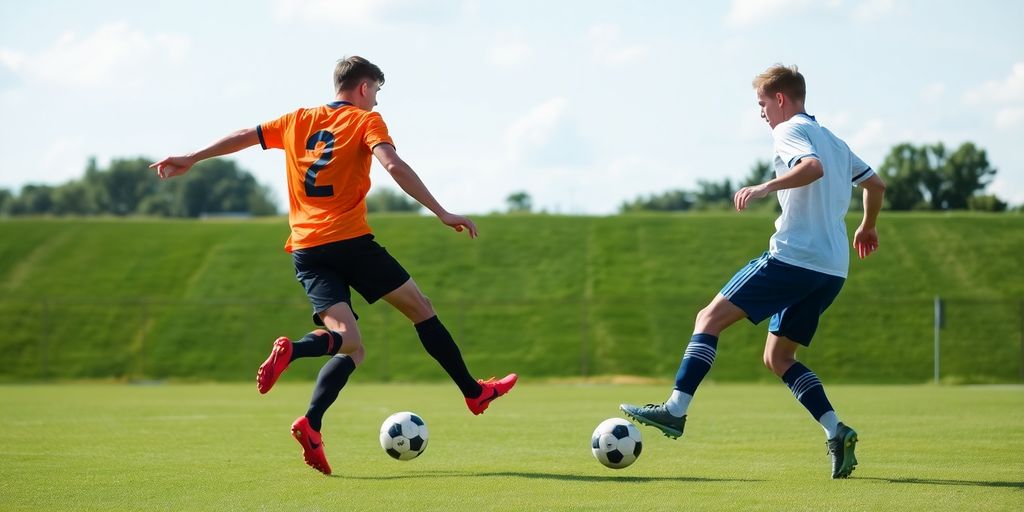
Muscle strains and sprains are like the bread and butter of soccer injuries. You know, those sudden stops and quick turns? They can really do a number on your muscles. These injuries often hit the knees and ankles, where the action is hottest. Proper warm-up routines can be a lifesaver here. Think dynamic stretches and light jogging to get your muscles ready for the game. And hey, don’t forget regular stretching to keep your flexibility up. It’s like giving your muscles a little insurance policy.
Fractures and Contusions
Now, let’s talk about fractures and contusions. Soccer’s a contact sport, and sometimes bones take the hit. Shin fractures are pretty common, especially if you’re not careful with your landings or if you take a direct hit. Investing in quality shin guards is a smart move to protect those lower limbs. And mastering your tackling techniques can help you avoid those nasty collisions that lead to bone injuries.
Concussions
Concussions, while not as frequent, are still a big deal in soccer. They usually happen from head-to-head clashes or awkward falls. It’s crucial for players to know the signs of a concussion, like headaches and dizziness. If something feels off, speak up. Protective headgear can help, but being aware and cautious is key. Remember, it’s not just about protecting your body; your mind needs safeguarding too.
Preventing Soccer Injuries Through Proper Warm-Up
Importance of Dynamic Stretching
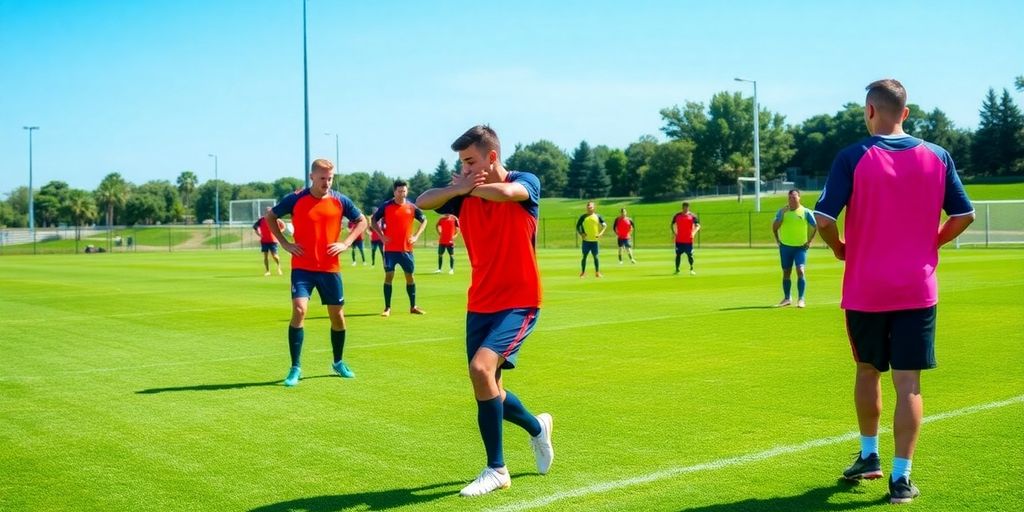
Dynamic stretching is like the pre-game ritual your muscles need. Instead of just standing still and stretching, dynamic stretches involve moving parts of your body through a full range of motion. This gets your blood pumping and muscles ready for action. Think of exercises like leg swings, arm circles, and walking lunges. Dynamic stretching prepares your muscles and joints for the physical demands of soccer, reducing the risk of strains and sprains. It’s a bit like waking up your body, telling it, "Hey, we’re about to run and kick, so get ready!" For instance, warming up can lower the risk of acute injuries like strains, sprains, and muscle tears, but it is not as effective in preventing overuse injuries.
Role of Aerobic Exercises
Aerobic exercises are key to a good warm-up. They get your heart rate up and your blood flowing, which helps deliver oxygen to your muscles. This can include jogging, jumping jacks, or even a light game of tag with teammates. The idea is to gradually increase your heart rate and body temperature, making your muscles more flexible and less prone to injury. Plus, aerobic exercises can improve your endurance, so you’re less likely to get tired and sloppy during the game.
Cooling Down and Stretching
Cooling down is just as important as warming up, but it’s often overlooked. After a game or practice, take a few minutes to slow your heart rate and stretch out your muscles. This helps prevent stiffness and soreness the next day. Cooling down can be as simple as a light jog followed by static stretching, where you hold each stretch for about 30 seconds. Focus on the major muscle groups you used during play, like your quads, hamstrings, and calves. Taking the time to cool down properly can help keep you on the field and off the injury list.
The Role of Protective Gear in Injury Prevention
Choosing the Right Shin Guards
When it comes to soccer, shin guards are not just an accessory; they’re a necessity. The right shin guards can significantly reduce the risk of lower leg injuries. You want to look for ones that fit snugly, covering the area from just below the knee to above the ankle. Materials matter too—opt for durable yet lightweight options. It’s not just about protection but also comfort and mobility. Remember, shin guards that are too bulky can hinder performance.
Benefits of Protective Headgear
Head injuries, while less common, can be severe. Investing in good protective headgear can make a big difference. These are designed to absorb impact and reduce the risk of concussions. They’re especially useful for players who are more involved in aerial duels or play positions where head collisions are frequent. While not mandatory in all leagues, wearing headgear can be a wise choice for added safety.
Footwear Considerations
Your choice of footwear can affect both performance and safety on the field. Soccer shoes should have molded cleats or ribbed soles to provide the right traction. Screw-in cleats might offer more grip on wet fields, but they can also increase the risk of certain injuries. Always match your footwear to the playing surface—this is key to preventing slips and falls. Additionally, ensure your shoes fit well to avoid blisters and other foot problems.
Protective gear isn’t just about preventing injuries; it’s about playing with confidence. When players feel secure, they can focus more on the game and less on the potential for injury. This mental edge can be just as important as the physical protection gear provides.
For youth players, properly fitted, sport-specific protective gear is essential to ensure safety during games. This includes everything from helmets to pads and shoes tailored to the sport’s demands. Ensuring young athletes have the right equipment is a crucial step in safeguarding their health on the field.
Managing Overuse Injuries in Soccer
Identifying Overuse Injuries
Overuse injuries in soccer often sneak up on players, gradually worsening over time. These injuries occur when repetitive stress is placed on certain parts of the body, such as muscles, tendons, or bones. Common examples include Achilles tendinitis, shin splints, and stress fractures. Recognizing the early signs, like persistent pain and swelling, can help in addressing these issues before they become severe.
Prevention Strategies for Young Athletes
For young soccer enthusiasts, preventing overuse injuries is crucial. Here are some strategies:
- Vary Training Routines: Encourage young players to engage in multiple sports or activities throughout the year. This helps in developing different muscle groups and prevents repetitive stress on the same areas.
- Gradual Increase in Activity: Overuse injuries are prevalent among adolescent soccer athletes due to repetitive stress on certain body parts. To prevent these injuries, it is essential to gradually increase training intensity and ensure proper recovery.
- Adequate Rest: Ensure that young athletes have rest periods between training sessions and games. Rest is vital for recovery and reducing the risk of injury.
Balancing Training and Rest
Balancing training and rest is not just a recommendation, it’s a necessity. Soccer players, especially those who train intensively, need to incorporate rest days into their schedules.
Overtraining can lead to burnout and increase the risk of overuse injuries. Listen to your body’s signals and don’t push through pain. Rest days are as important as training days. They allow your muscles to repair and grow stronger.
Incorporating cross-training activities, such as swimming or cycling, can also be beneficial. These activities provide a break from the repetitive motions of soccer while still maintaining fitness levels. Remember, a well-rested athlete is a more effective and healthier player.
Effective Treatment and Recovery Strategies
Seeking Professional Medical Attention
When a soccer injury happens, getting the right medical help is the first step. It’s important to see a doctor who specializes in sports injuries. They can diagnose the problem accurately and suggest the best treatment options. Whether it’s a minor sprain or a more serious injury, professional advice ensures that players get back on the field safely.
Rehabilitation Programs
Rehabilitation is key to recovery, and it involves more than just resting. A well-structured rehab program typically includes:
- Physical therapy sessions to regain strength and flexibility.
- Specific exercises to target the injured area.
- Regular evaluations to track progress and adjust the program as needed.
These programs are tailored to each athlete, helping them recover faster and reducing the risk of re-injury.
Safe Return to Play
Returning to play should be gradual. Players need to be symptom-free and have full range of motion before they start training again. Here’s a basic checklist:
- No pain or swelling in the injured area.
- Full strength and flexibility restored.
- Cleared by a medical professional for return to play.
Recovery isn’t just about healing the injury; it’s about preparing the body to handle the demands of the game again. Patience is crucial, as rushing back can lead to setbacks.
By following these strategies, players can ensure a safer and more effective recovery process.
Ensuring a Safe Soccer Environment
Field Maintenance and Safety
Keeping the soccer field in good shape is super important for player safety. A well-maintained field reduces the risk of injuries. Make sure to fill any holes, re-seed bare spots, and clear away any debris. This helps prevent trips and falls that can lead to sprains and fractures. It’s also a good idea to check that the goals are properly secured to avoid them tipping over. Using a simple lock can keep them stable and safe.
Weather Considerations
Weather can really mess with soccer games, so it’s smart to keep an eye on it. If there’s a thunderstorm, it’s best to head indoors right away. In hot weather, make sure players take regular water breaks to stay hydrated. On chilly days, wearing gloves and hats can help keep players warm. If the weather’s too extreme, think about shortening the practice or moving it inside.
Goal Post Safety
Goal posts need to be stable and padded to prevent injuries. Securing the goals at the end of practice or games is a must. Unsecured goals can fall and cause serious harm. Remind players not to hang on the net or crawl under the goal. These actions can lead to accidents and injuries.
Special Considerations for Youth Soccer Players
Age-Appropriate Training
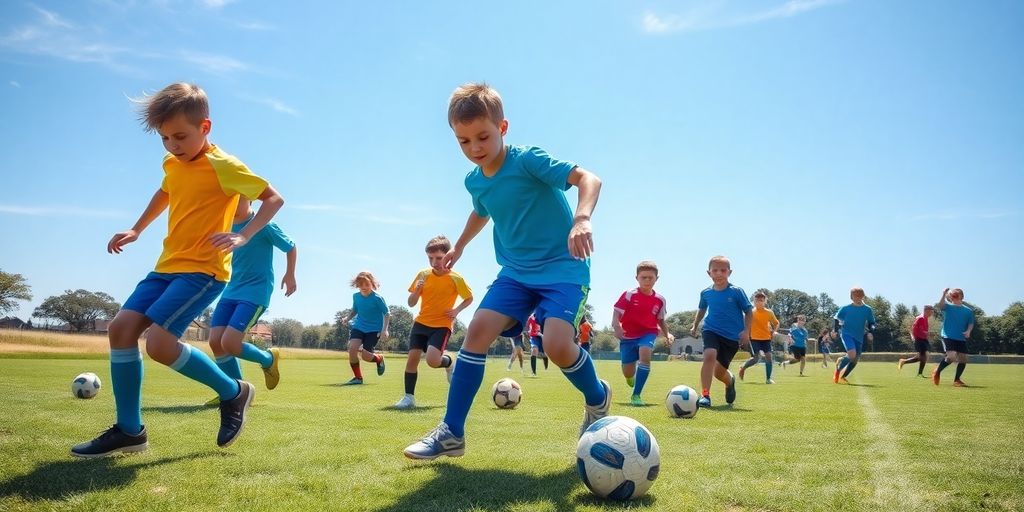
When it comes to training young soccer players, it’s essential to keep their age and physical development in mind. Kids aren’t just small adults; their bodies are still growing, which means their training needs are different. Tailoring exercises to match their maturity level can help avoid potential injuries. For instance, incorporating fun drills that focus on basic skills rather than intense physical exertion can be more beneficial. Coaches should also be mindful of the maturity-related risk factors like growth spurts that can lead to muscle imbalances, making young players more prone to injuries.
Limiting Heading in Young Players
Heading the ball is a skill that many young players are eager to learn, but it comes with risks. The U.S. Soccer Federation has set guidelines to limit heading for players aged 13 and younger. For kids under 10, heading is not recommended in games or practices. This rule helps protect young brains from potential injury. Instead, focus on developing foot skills and passing techniques, which are safer and equally important for their overall soccer development.
Parental and Coach Involvement
Parents and coaches play a crucial role in the safety and development of young soccer players. It’s important for them to work together to create a supportive environment. Here are a few key points to consider:
- Open Communication: Keep lines of communication open between parents, coaches, and players to ensure everyone is on the same page regarding training intensity and injury prevention.
- Education: Parents and coaches should educate themselves about common soccer injuries and the best practices for prevention and treatment.
- Support and Encouragement: Encourage kids to speak up if they’re feeling pain or discomfort. It’s also vital to emphasize the importance of rest and recovery, especially after intense games or practices.
"Creating a safe and supportive environment for young soccer players is not just about winning games; it’s about nurturing their love for the sport while keeping them healthy and injury-free."
By focusing on these special considerations, young players can enjoy soccer safely, building skills and confidence along the way.
Conclusion
Soccer is a thrilling sport that brings joy to millions, but it’s not without its risks. Injuries like sprains, fractures, and concussions are all too common on the field. But don’t worry, there are ways to keep yourself safe. By warming up properly, wearing the right gear, and playing smart, you can reduce the chances of getting hurt. Remember, it’s not just about playing well, it’s about playing safe. So, lace up those cleats, hit the field, and enjoy the game, knowing you’ve done your best to stay injury-free.
Frequently Asked Questions
What are common injuries in soccer?
Soccer players often experience injuries like muscle strains, sprains, fractures, concussions, and overuse injuries such as shin splints.
How can I prevent injuries while playing soccer?
Warming up properly, using the right gear, and practicing good technique can help prevent injuries. Also, make sure the playing field is safe.
Why is warming up important before a soccer game?
Warming up helps prepare your muscles and joints for intense activity, reducing the risk of strains and sprains.
What should I do if I get injured during a soccer game?
Stop playing and seek medical attention if needed. Follow your doctor’s advice for treatment and recovery before returning to play.
How does protective gear help in soccer?
Protective gear like shin guards and headgear can help prevent serious injuries by absorbing impact during collisions.
What are some tips for young soccer players to avoid injuries?
Young players should focus on age-appropriate training, limit heading the ball, and ensure they have proper rest between games and practices.