
Soccer’s been around for ages, and over time, the rulebook’s seen some serious edits. From tweaks to the offside rule to the introduction of VAR, these changes keep the game fresh and competitive. It’s not just about keeping pace with the times; it’s about making the sport safer and more exciting for everyone involved.
Key Takeaways
- Soccer rules have evolved to enhance fairness and excitement.
- The offside rule has seen significant changes to promote attacking play.
- VAR has been introduced to reduce controversial decisions.
- New rules focus on player safety and effective game management.
- American leagues have been influential in experimenting with rule changes.
The Evolution Of Soccer Rules Over Time
Historical Context Of Rule Changes
Soccer has a long history that goes back over 2,000 years, with early forms of the game played in ancient China, Greece, and Rome. However, it was in 19th century England that soccer began to take shape as we know it today. The formation of The Football Association in 1863 marked a pivotal moment, establishing the first set of standardized rules. These rules laid the foundation for organized leagues and international competitions, transforming soccer into a structured sport. Over time, these rules have evolved to keep pace with the changing dynamics of the game, ensuring fairness and excitement.
Impact On Gameplay Dynamics
Rule changes in soccer have significantly influenced gameplay dynamics. For instance, the introduction of the offside rule, initially requiring three defenders between the attacker and the goal, was designed to prevent "goal-hanging." Over the years, adjustments to this rule have encouraged more attacking play, leading to higher scores and greater excitement for fans. Similarly, the introduction of penalty kicks in 1891 added a strategic element, deterring defenders from fouling near the goal. These changes have not only shaped the strategies employed by teams but also enhanced the overall pace and appeal of the game.
Key Milestones In Rule Development
- Offside Rule Adjustments: Initially required three defenders, changed to two, and later allowed attackers to be level with the second-to-last defender.
- Introduction Of Penalty Kicks: Introduced in 1891 to address fouls in the penalty area, adding drama to the game.
- Red And Yellow Card System: Implemented in 1970 to help referees maintain control and discipline on the field.
Soccer’s evolution reflects its adaptability to new generations of players and fans, with rule changes playing a crucial role in maintaining its status as a globally loved sport. From its humble beginnings to the high-paced game we see today, soccer continues to evolve, driven by innovations in rules and tactics.
Significant Soccer Rule Changes That Transformed The Game
The Offside Rule Adjustments
The offside rule is probably the most debated rule in soccer. Initially, it required three defenders to be between the attacker and the goal when the ball was passed. This made scoring a real challenge. Over time, the rule evolved to needing only two defenders, and in 1990, FIFA allowed attackers to be level with the second-to-last defender. This change opened up the game, encouraging more attacking play and higher scores, which fans love.
Introduction Of Penalty Kicks
Penalty kicks were introduced in 1891 to discourage defenders from fouling near the goal. Before penalties, fouls resulted in free kicks, but the introduction of penalty kicks added drama and tension, especially in tight matches. Penalty shootouts, which decide tied games in knockout stages, came about in the 1970s, bringing some of soccer’s most unforgettable moments.
The Red And Yellow Card System
The red and yellow card system was introduced in 1970 during the World Cup to help referees manage the game better. This visual method of communication—yellow for caution, red for ejection—helps keep the game disciplined and fair. It’s a system still used today to ensure player safety and promote fair play.
Soccer, the world’s most popular sport with 265 million players, captivates billions through its simplicity and global appeal. The sport’s accessibility, historic rivalries, and the excitement of transfers and relegation keep fans engaged. As soccer continues to grow, it serves as a powerful connector across cultures, embodying passion and joy for millions. Explore more about how soccer unites people worldwide.
Innovative Rules Shaping Modern Soccer
The Back-Pass Rule
The back-pass rule, introduced in 1992, was a game-changer. Before this rule, goalkeepers could pick up a pass from their own teammates, which often led to boring, time-wasting tactics. Now, goalkeepers must play the ball with their feet, encouraging more dynamic play and reducing delays. This change has pushed keepers to improve their foot skills, leading to the rise of the "sweeper-keeper" role, where they act almost like an extra defender.
Introduction Of VAR
The introduction of Video Assistant Referee (VAR) in 2018 added a new layer of fairness to the game. With VAR, referees can review decisions in real-time, reducing the number of controversial calls. This technology isn’t without its critics, though, as some argue it disrupts the flow of the game. Nevertheless, it has undeniably made the officiating more accurate and has been a significant step forward in ensuring fair play.
Timed Substitution Regulations
Recently, soccer has seen the implementation of timed substitution regulations aimed at curbing time-wasting. Players now have a limited time to leave the field during a substitution. If they delay, the incoming player must wait until the next stoppage to enter. This rule helps maintain the pace of the game, ensuring that teams can’t exploit substitutions to run down the clock. It’s a small change, but it helps keep the focus on the action on the field.
Tactical Shifts Driven By Rule Changes
Emergence Of Sweeper-Keepers
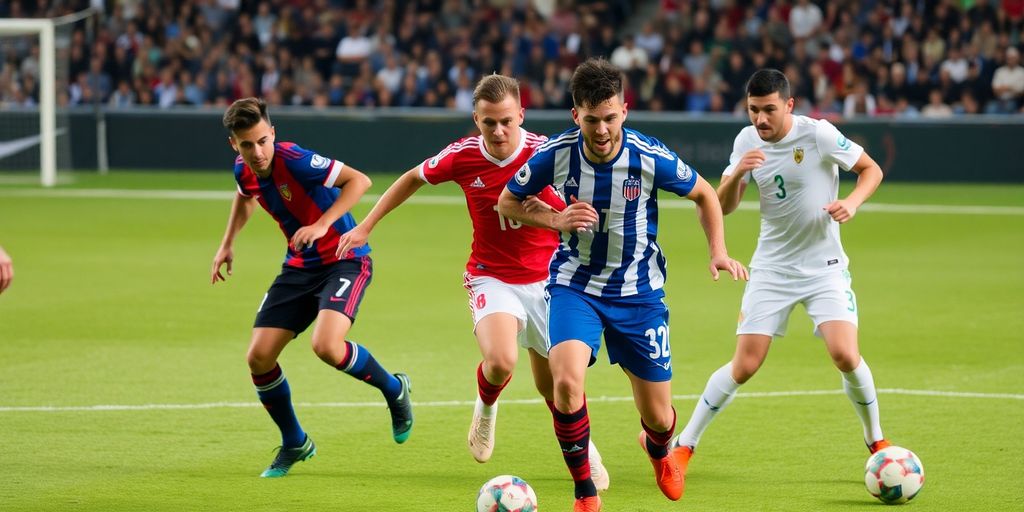
The role of the goalkeeper has changed a lot over the years, especially with the introduction of the back-pass rule in 1992. Before this, keepers could just pick up the ball whenever a teammate passed it back. But now, they have to use their feet more, turning them into what’s called "sweeper-keepers." This means they’re not just guarding the goal but also helping to start attacks and control the ball at the back. This shift has made goalies like Manuel Neuer famous for their ability to play almost like an extra defender.
Adoption Of High Defensive Lines
With the offside rule becoming more relaxed, teams started pushing their defensive lines higher up the pitch. This strategy squeezes the play into the opponent’s half, making it harder for them to build up attacks. The idea is to catch attackers offside more often and regain possession quickly. Coaches have to make sure their players are well-drilled to pull this off without getting caught out by a quick counterattack.
Influence Of Total Football
Total Football, a concept made popular by the Dutch in the 1970s, has had a lasting impact on how teams play today. This approach is all about flexibility, where players aren’t stuck in one position. They move around, cover for each other, and keep the game fluid. It’s a style that relies on everyone being technically skilled and understanding the game well. Total Football has influenced many modern tactics, encouraging teams to focus on possession and movement, making the game more dynamic and unpredictable.
Rule changes in sports significantly impact tactical foul rates, particularly those designed to limit defensive strategies that hinder offensive play. These adjustments can alter penalty and foul statistics, reflecting the evolving dynamics of the game.
Future Directions In Soccer Rule Changes
Technological Innovations In Officiating
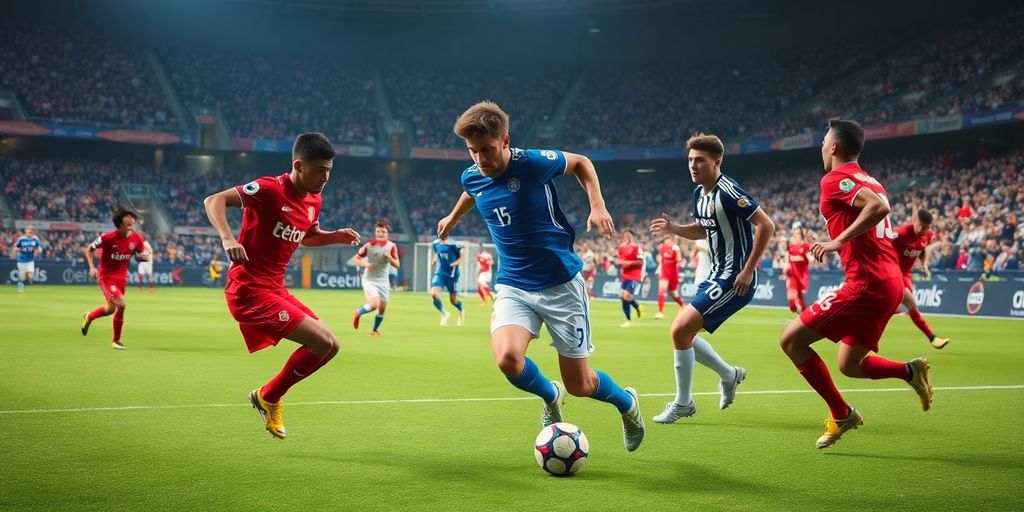
In the world of soccer, technology is steadily becoming a game-changer. Semi-automated offside technology is on the horizon, promising to make offside calls more precise and less controversial. This could mean fewer interruptions in play and more fluid matches. There’s also talk about enhancing VAR (Video Assistant Referee) systems to provide real-time feedback to fans in the stadium. Imagine being in the stands and hearing the ref explain a decision right as it happens!
Player Safety Initiatives
Keeping players safe is a top priority, and new rules are being considered to address this. One idea is to give medical staff more time to assess injuries off the field without rushing. This could help reduce the risk of further harm. Another concept is the introduction of mandatory rest periods for players who suffer head injuries, ensuring they are fully recovered before returning to play.
Potential Changes In Game Structure
The structure of the game itself might see some tweaks. There are whispers about experimenting with shorter match durations to keep the action intense and fast-paced. Some leagues are also considering introducing a "time-out" feature, similar to other sports, allowing teams to regroup during critical moments. These changes aim to keep the game exciting and engaging for both players and fans.
As soccer continues to evolve, these potential rule changes could redefine how we experience the beautiful game, making it safer, fairer, and more thrilling than ever before.
The Role Of American Leagues In Soccer Rule Evolution
Pioneering Substitution Rules
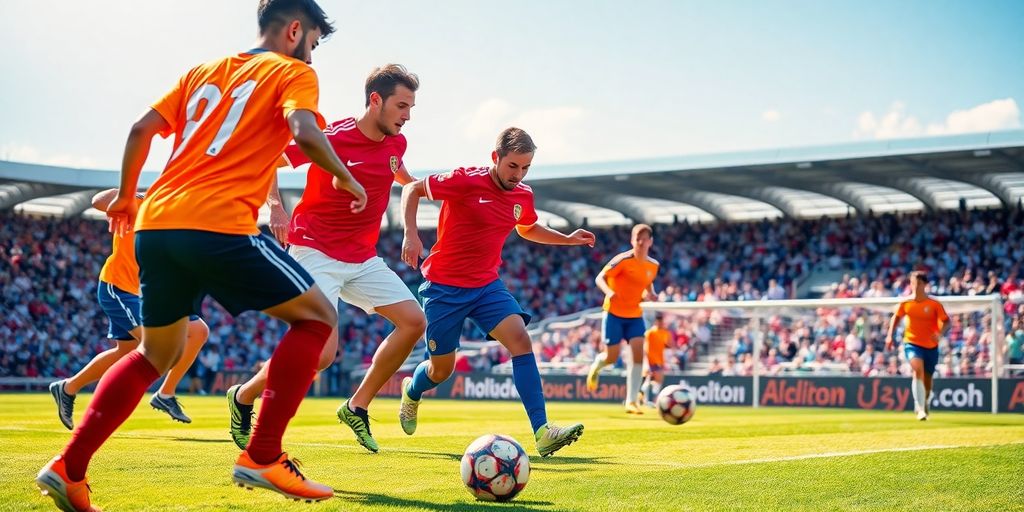
American soccer leagues have long been at the forefront of experimenting with soccer rules, often pushing boundaries that traditional soccer powerhouses wouldn’t dare touch. The American Soccer League (ASL) was one of the first to introduce the concept of substitutions in the 1920s, a move that was initially met with resistance from FIFA. At that time, substitutions were not part of the official laws of the game and were primarily used to replace injured players. Fast forward to the North American Soccer League (NASL) in the 1970s, where the league expanded the use of substitutions to three per game, years before this became standard globally. This innovation laid the groundwork for the modern game’s flexibility regarding player management.
Experimentation With VAR
The United States has also been a testing ground for technological advancements in soccer, notably the Video Assistant Referee (VAR) system. While VAR is now a staple in many top leagues worldwide, American leagues were among the first to experiment with such technology, aiming to improve the accuracy of officiating. This willingness to incorporate technology into the game reflects a broader trend in American sports to enhance the spectator experience and ensure fairness.
Influence On Global Soccer Standards
Beyond specific rule changes, American leagues have influenced the global soccer landscape in subtler ways. The introduction of a countdown clock and the prohibition of draws in the NASL were seen as attempts to "Americanize" the sport, making it more exciting for fans accustomed to high-scoring games. While these particular changes didn’t stick internationally, they showcased a unique approach to the sport that prioritized entertainment. Moreover, the concept of rolling substitutions and the use of penalty shootouts to decide draws have roots in American soccer, highlighting the nation’s role in shaping the game’s evolution.
America’s soccer leagues have often been dismissed for their unconventional approaches, yet their influence is undeniable. From pioneering substitution rules to experimenting with technology, these leagues have played a crucial role in modernizing and globalizing the sport. The U.S. has shown that innovation, even when initially controversial, can lead to significant advancements in soccer.
American leagues continue to shape soccer’s future, with ongoing experiments like timed substitutions and enhanced VAR systems. As the sport grows, these innovations will likely influence how soccer is played and perceived worldwide.
Impact Of Recent Rule Changes On Player Behavior
Discipline And Fair Play
With the introduction of new rules, players are now more aware of their conduct on the field. The use of VAR (Video Assistant Referee) has made it nearly impossible to escape unnoticed fouls. This has led to a more disciplined approach during matches, as players know their actions are being closely monitored. Teams have adapted by focusing on clean play, reducing unnecessary fouls that could lead to penalties or game-changing decisions.
- VAR has significantly reduced controversial decisions.
- Players are more cautious about their tackles and challenges.
- Coaches emphasize fair play to avoid costly penalties.
Injury Management Protocols
Recent rule changes have also impacted how injuries are managed during games. The Off-Field Treatment Rule, for instance, allows medical teams to assess injuries without disrupting the game flow. This ensures that players receive timely care while maintaining the match’s pace.
The emphasis on player safety has never been stronger, with new protocols ensuring swift and efficient treatment.
- Players are removed from play for proper assessment.
- Medical teams have more time to evaluate injuries off-field.
- The game continues smoothly without prolonged interruptions.
Time-Wasting Prevention Strategies
Efforts to curb time-wasting have been implemented with rules like the Timed Substitution Rule, which mandates quick player changes. This has sped up the game and reduced delays that frustrate fans and players alike.
- Substitutions must occur within a set time frame.
- Delays result in penalties, encouraging promptness.
- The flow of the game is maintained, enhancing the spectator experience.
These changes reflect a broader trend towards efficiency and fairness in soccer, ensuring that the sport remains dynamic and enjoyable for everyone involved. As soccer tactics evolve, these rule adjustments continue to shape the behavior of players, promoting a more engaging and strategic game.
Conclusion
Soccer’s evolution is a testament to its ability to adapt and thrive in a changing world. The recent rule changes have not only made the game faster and more exciting but have also ensured fairness and safety for players. From the introduction of the offside rule to the implementation of VAR, each change has brought its own set of challenges and opportunities. As the sport continues to grow globally, these changes are shaping the future of soccer, making it more inclusive and engaging for fans everywhere. Whether you’re a die-hard supporter or a casual viewer, there’s no denying that these innovations are transforming the beautiful game into something even more thrilling.
Frequently Asked Questions
What is the offside rule in soccer?
The offside rule means an attacking player can’t be closer to the opponent’s goal than the second-to-last defender when the ball is passed to them. This rule helps keep the game fair and exciting.
Why were penalty kicks introduced in soccer?
Penalty kicks were added to soccer in 1891 to discourage defenders from fouling near the goal. This rule makes the game more thrilling, especially during important matches.
How do red and yellow cards work in soccer?
Red and yellow cards help referees manage the game. A yellow card is a warning, while a red card means a player must leave the game. This keeps the game fair and safe.
What is the back-pass rule in soccer?
The back-pass rule, introduced in 1992, stops goalkeepers from picking up the ball if a teammate intentionally kicks it to them. This rule speeds up the game and encourages skillful play.
How does VAR affect soccer matches?
VAR, or Video Assistant Referee, helps check important decisions in a game, like goals or penalties, using video footage. It aims to make the game fairer by reducing mistakes.
What changes have American leagues made to soccer rules?
American leagues have tried out many rule changes, like using video reviews and experimenting with substitutions. These changes have helped shape soccer rules worldwide.