
Beach soccer is a blast! It’s like regular soccer but with sand between your toes and the sun on your face. If you’re looking to get good at it, you’ve come to the right place. Whether you’re a newbie or have been playing for a while, there’s always something new to learn. From getting the hang of the rules to nailing those tricky moves, mastering beach soccer takes some practice. But don’t worry, we’ve got some tips that can help you up your game.
Key Takeaways
- Get familiar with the unique rules of beach soccer; they’re a bit different from regular soccer.
- Invest in the right gear, like lightweight shoes and a good ball, to play effectively on sand.
- Focus on improving your ball control and dribbling skills on the sand surface.
- Build your physical fitness with exercises that boost lower body strength and endurance.
- Keep your mind sharp and your team spirit high to handle the fast-paced nature of the game.
Understanding the Basics of Beach Soccer
The Unique Rules of Beach Soccer
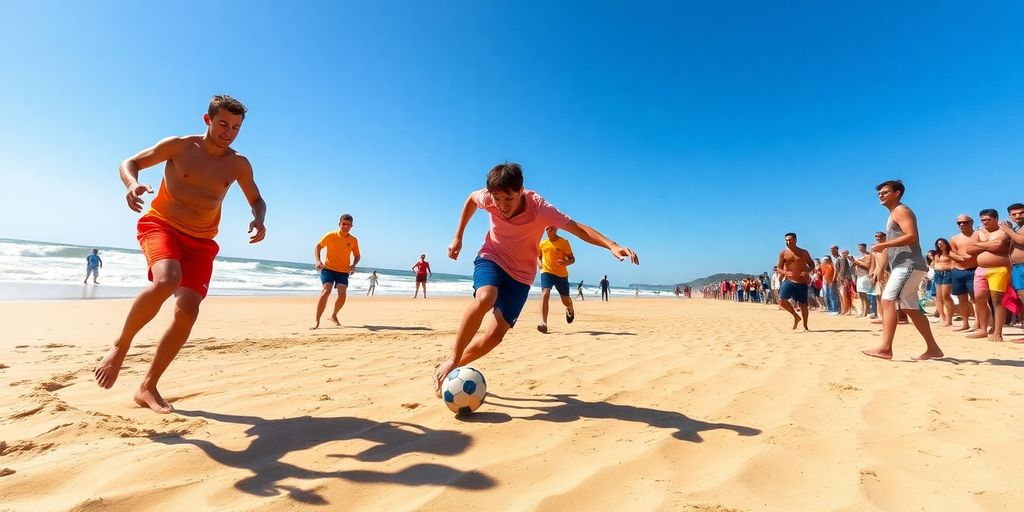
Beach soccer isn’t just soccer on sand; it’s got its own vibe and rules. The game is played on a smaller field with teams of five, including the goalkeeper. Matches are split into three 12-minute periods. One cool thing? There’s no offside rule, which makes for a fast-paced game. Fouls are common, and free kicks are direct, keeping the game exciting. Oh, and substitutions? They’re unlimited, so players can catch their breath whenever.
Essential Equipment for Beach Soccer
Playing on sand means you need different gear. Forget cleats; it’s all about bare feet or special socks for better grip. A beach soccer ball is lighter and slightly smaller than a regular soccer ball, designed to bounce on sand. Players often wear lightweight jerseys and shorts to stay cool. Sun protection is key too, so don’t skip on hats and sunscreen.
Differences Between Beach Soccer and Traditional Soccer
Beach soccer and traditional soccer might look similar, but they feel different. The sand changes everything, from how the ball moves to how players run. You’ll notice the game is shorter and more intense. The lack of an offside rule and smaller teams mean more goals and action. Plus, the beach setting makes it more relaxed and fun, attracting a different crowd.
Playing beach soccer is like a mini-vacation every time. The sand, the sun, and the sound of waves make it an experience beyond just a game.
Developing Core Skills for Beach Soccer
Improving Ball Control on Sand
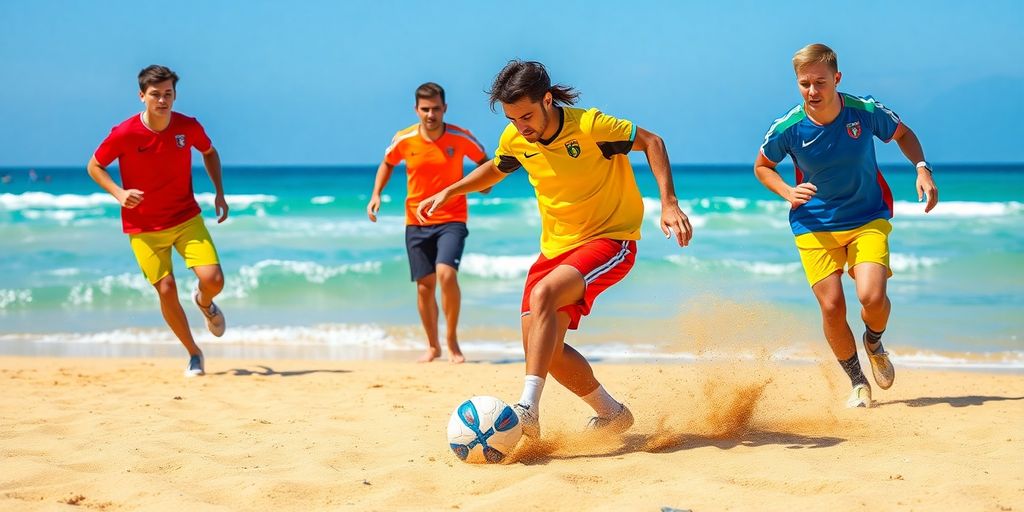
Beach soccer isn’t your typical game of soccer. The sand changes everything. Ball control is trickier on sand because it’s unpredictable. The ball doesn’t roll the same way it does on grass, making it essential to adjust your technique. Focus on using the inside of your foot to cushion the ball and keep it close. Practice juggling often to get a better feel for the ball’s movement on sand. Remember, the more you practice, the more natural it becomes.
Mastering Dribbling Techniques
Dribbling on sand requires a different approach. You need to keep the ball closer than usual and use quick, short steps. Try to maintain a low center of gravity to help with balance. Use both feet to control the ball, switching directions swiftly to outsmart your opponent. It’s also helpful to practice dribbling through cones or markers on the beach to simulate game scenarios. This helps in developing agility and quick reflexes.
Enhancing Passing Accuracy
Passing in beach soccer demands precision. The uneven surface can throw off your aim, so it’s crucial to practice regularly. Work on short, quick passes with your teammates. Focus on timing and communication to ensure the ball reaches its target. A simple drill: form a circle with friends and pass the ball around, making sure it doesn’t leave the circle. This helps in honing your accuracy and teamwork.
Playing on sand is a whole different ball game. It forces you to rethink your strategy and adapt your skills. But with patience and practice, you can master the art of beach soccer.
Building Physical Fitness for Beach Soccer
Strengthening Lower Body Muscles
To excel in beach soccer, you need strong legs. Running and kicking in sand is tough, so focus on exercises that build muscle strength in your lower body. Squats, lunges, and calf raises are great for this. These exercises help you push off the sand more effectively. Consistency is key—try doing these workouts three times a week for the best results.
Boosting Stamina and Endurance
Playing on sand is tiring. You need good stamina to keep going. Start with running on the beach, gradually increasing your distance each week. This helps build endurance. For an extra challenge, try the 300- to 400-yard uphill sand dune workout. This exercise is not only demanding but also highly effective in boosting your stamina.
Incorporating Agility Drills
Quick movements are crucial in beach soccer. Agility drills can help with this. Set up cones in the sand and practice zigzagging through them. Ladder drills are also useful. These exercises improve your footwork and reaction time. Make sure to include these drills a few times a week to see improvement.
Building fitness for beach soccer isn’t just about strength and endurance. It’s about combining these with agility to become a well-rounded player.
Strategic Approaches to Beach Soccer
Formulating Offensive Strategies
Beach soccer is fast-paced and dynamic, requiring quick thinking and adaptability. When planning offensive strategies, it’s crucial to focus on creating space and exploiting the opponent’s weaknesses. Quick passes and maintaining possession can help break down defenses. Try these tactics:
- Utilize the width of the pitch to stretch the defense.
- Encourage players to make overlapping runs to confuse defenders.
- Focus on quick, short passes to maintain control and tire out opponents.
Defensive Tactics for Beach Soccer
Defending in beach soccer is all about anticipation and reaction. The soft sand makes it harder to change direction, so positioning is key. Here are some tips to strengthen your defense:
- Keep a compact shape to limit the opponent’s space.
- Communicate constantly with teammates to ensure everyone is marking an opponent.
- Focus on intercepting passes rather than tackling directly, as the sand can slow you down.
Adapting to Changing Game Dynamics
Games can change in an instant, and being able to adapt is what separates good teams from great ones. Staying flexible with your tactics is essential. Consider the following:
- Regularly assess the opponent’s strategy and adjust your formation accordingly.
- Be prepared to switch from offensive to defensive play as the game situation changes.
- Encourage players to remain calm and focused, even if the game isn’t going as planned.
In beach soccer, the ability to adjust your strategy mid-game can make all the difference. Keep your team motivated and ready to adapt, and you’ll increase your chances of success.
By integrating these strategic approaches into your game plan, you can improve your team’s performance and enjoy the game even more. Remember, beach soccer is as much about mental agility as it is about physical skill.
Mental Preparation and Focus in Beach Soccer
Building Team Cohesion
Creating a strong bond among teammates is key in beach soccer. It’s not just about skills on the sand, but how well you connect with each other. Communication plays a huge role. Make sure everyone knows their role and supports each other. Regular team meetings or bonding activities can help build trust and understanding. Remember, a team that’s united off the field often performs better on it.
Staying Focused Under Pressure
Beach soccer can be intense, with quick changes and unexpected plays. Staying calm and focused is crucial. Try using techniques like deep breathing or visualization to keep your head in the game. Mental toughness is about staying positive, even when things aren’t going your way. Practice staying present and not letting mistakes throw you off your game.
Developing a Winning Mindset
Having the right mindset can make all the difference. Focus on what you can control, like your effort and attitude. Setting small, achievable goals can help keep you motivated. Celebrate the little wins to keep morale high. It’s also helpful to learn from losses instead of dwelling on them.
Staying mentally prepared in beach soccer isn’t just about being tough; it’s about being smart. Use your mind as much as your body to outplay your opponents.
For more insights into the mental side of soccer, check out "Soccer Tough" by Dan Abrahams, which dives into psychological techniques to boost performance.
Safety and Injury Prevention in Beach Soccer
Common Injuries in Beach Soccer
Beach soccer is fun but comes with its own set of risks. Players often face injuries like sprained ankles, knee strains, and shoulder dislocations. The uneven sand surface can make these injuries more likely. Ankle injuries are especially common because the sand shifts underfoot, making it tough to keep balance.
Preventive Measures and Warm-ups
To keep injuries at bay, warm-ups are a must. Start with light jogging to get your blood flowing. Follow this with dynamic stretches, focusing on legs and core. Here’s a quick routine:
- Jog for 5 minutes on the sand.
- Perform leg swings and hip circles.
- Finish with a few sprints to get your heart rate up.
Incorporating these steps can help you stay fit and ready to play. Also, wearing the right gear, like snug-fitting shoes, can prevent slips and falls. Consider preventing soccer injuries by sticking to a healthy routine and proper preparation.
First Aid Tips for Beach Soccer Players
Accidents happen, even with the best precautions. Here’s what you should do if someone gets hurt:
- Rest: Stop playing immediately to avoid worsening the injury.
- Ice: Apply ice to reduce swelling and pain.
- Compress: Use a bandage to wrap the injured area.
- Elevate: Keep the injured part raised to minimize swelling.
Having a basic first aid kit on hand is a smart move. Bandages, antiseptic wipes, and pain relievers should be part of your beach soccer gear. Being prepared can make a big difference in how quickly someone recovers.
Playing beach soccer is about having fun and staying safe. Focus on preparation and being mindful of your body’s limits, and you’ll enjoy the game even more.
Advanced Techniques and Tricks in Beach Soccer
Executing Bicycle Kicks
Pulling off a bicycle kick on the beach is a real showstopper. It’s not just about flair; it’s a skill that can change the game. To start, position yourself with your back to the goal. As the ball approaches, jump slightly off the sand, using your arms for balance. While in the air, kick your legs in a scissor motion, aiming to strike the ball with the top of your foot. Timing is everything—hit the ball at the peak of your jump for maximum impact. Practice makes perfect, so don’t get discouraged if you don’t nail it right away.
Perfecting the Volley Shot
A well-executed volley can catch the goalkeeper off guard. To master this, keep your eyes on the ball and your body relaxed. As the ball descends, step forward with your non-kicking foot, and swing your kicking leg through the ball. Aim to make contact with your instep for power and precision. Remember, the sand can be unpredictable, so adjust your stance to maintain balance.
Using Feints and Fakes Effectively
Feints and fakes are all about trickery. On the sand, these moves can be even more effective due to the uneven surface. Start by shifting your body weight in one direction to fool your opponent, then quickly change direction to bypass them. Here are a few feints to practice:
- The Step-over: Swing your foot over the ball, then push it in the opposite direction.
- The Shoulder Drop: Drop your shoulder to one side, then cut the ball back the other way.
- The Fake Kick: Pretend to shoot, then dribble past the defender.
Beach soccer is about creativity and adaptability. The more you play, the more you’ll develop your unique style, turning these tricks into second nature.
Wrapping It Up
So, there you have it! Beach soccer might seem a bit tricky at first, but with some practice, you’ll get the hang of it. It’s all about having fun and enjoying the sun, sand, and surf. Remember, it’s not just about winning; it’s about the good times with friends and making awesome memories. Keep practicing those moves, stay hydrated, and don’t forget the sunscreen. Before you know it, you’ll be playing like a pro and having a blast. So grab a ball, hit the beach, and let the games begin!
Frequently Asked Questions
What makes beach soccer different from regular soccer?
Beach soccer is played on sand, which makes it harder to run and control the ball. The teams are smaller, and the game has different rules, like no offside.
What gear do I need to play beach soccer?
You’ll need a beach soccer ball, which is softer than a regular ball. Players usually play barefoot or with special sand socks, and wearing a jersey and shorts is common.
How can I improve my skills in beach soccer?
Practice controlling the ball on sand, work on your dribbling, and try to pass accurately. Playing often and watching skilled players can also help you get better.
What are some safety tips for playing beach soccer?
Always warm up before playing and be mindful of the hot sand. Make sure to stay hydrated and know some basic first aid in case of minor injuries.
How do teams usually score in beach soccer?
Teams score by getting the ball into the opponent’s goal. Because the sand makes it tricky to move, players often use clever tricks and teamwork to score.
What’s the best way to get in shape for beach soccer?
Work on strengthening your legs, building endurance, and practicing agility. Exercises like running on sand and doing squats can be really helpful.