
Soccer stadium design isn’t just about putting up some stands and a field. It’s a mix of art and science, blending creativity with practicality. These structures have to look amazing and serve their purpose well. Over the years, the game has changed, and so have the stadiums. They’re now packed with tech, eco-friendly, and built to make fans feel like they’re part of the action. In this article, we’ll dive into the ins and outs of what makes a soccer stadium truly great.
Key Takeaways
- Soccer stadiums are designed to be more than just sports venues; they are cultural landmarks that reflect local identity.
- Modern technology, like 3D renderings, plays a crucial role in the design and construction of these stadiums.
- Eco-friendly designs are becoming a standard, with many stadiums incorporating green technologies and sustainable practices.
- The fan experience is at the heart of stadium design, focusing on comfort, accessibility, and immersive atmospheres.
- Iconic stadiums like Allianz Arena and Anfield show how tradition and modernity can coexist in soccer stadium design.
Innovative Architectural Features in Soccer Stadium Design

The Role of 3D Renderings in Modern Stadiums
3D renderings have become a game-changer in the design of soccer stadiums. They allow architects to visualize and tweak designs before any construction begins. This technology is especially useful for creating complex architectural features, like unique roof designs or integrated digital displays. For instance, the first all-timber football stadium used 3D renderings to ensure that sustainably sourced timber could be effectively incorporated into essential structural components. With 3D renderings, architects can easily switch between different layouts and use-cases, showing what the space will look like in soccer mode versus concert mode. This flexibility is crucial for stadiums that serve multiple purposes beyond just hosting soccer matches.
Incorporating Eco-Friendly Elements
Modern stadiums are increasingly incorporating eco-friendly elements into their design. From solar panels and wind power to locally sourced materials, sustainability is at the forefront. Some stadiums even subsidize public transportation costs for ticket holders to encourage eco-friendly travel. Inside, you might find compost and recycling options instead of traditional trash cans, reflecting a commitment to reducing waste. These green initiatives not only help the environment but also enhance the stadium’s appeal to eco-conscious fans.
Adapting to Multi-Purpose Use
Soccer stadiums today are not just for soccer. They host concerts, community events, and other sports. This means they need to be highly adaptable. Features like retractable seating and modular field configurations make it easy to switch between different types of events. This adaptability is not just about physical changes; it’s also about creating spaces that can accommodate various types of audiences and activities. A well-designed multi-purpose stadium can become a community hub, drawing people in for a wide range of events.
Enhancing Fan Experience Through Design
Streamlining Access and Amenities
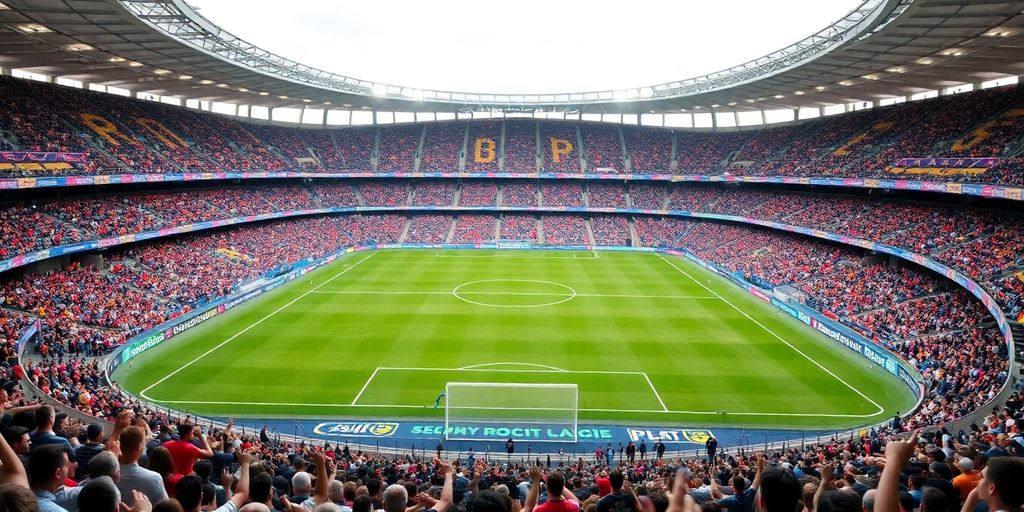
Getting in and out of a stadium smoothly is a top priority for fans. Efficient entry and exit points can make a huge difference. Picture this: you’re not stuck in a long line, missing the kickoff. Instead, you’re in your seat with a snack in hand, ready for the action. Modern stadiums aim for this by using digital ticketing systems and clear signage to direct fans. Plus, having enough restrooms and food stalls means less waiting and more enjoying.
Creating Immersive Game-Day Atmospheres
A stadium isn’t just a place to watch a game; it’s where memories are made. From the moment you step inside, everything should scream excitement. Sound systems that pump up the energy, giant screens showing replays, and interactive fan zones are all part of the package. These elements work together to create a vibe that you just can’t get from watching at home on your big screen TV.
Designing for Safety and Comfort
Safety and comfort are non-negotiable. Stadiums are designed with wide concourses to prevent overcrowding, and seating that offers a good view from every angle. Emergency exits are clearly marked, and staff are trained to handle large crowds. It’s all about making sure fans feel secure and relaxed while they cheer on their team.
Being at a game is about more than just the sport. It’s about the thrill, the atmosphere, and the shared experience with thousands of others. A well-designed stadium brings all these elements together seamlessly, offering fans a day to remember.
Fans can enhance their experience by leveraging technology, which offers real-time updates, interactive features, and fan engagement applications.
Cultural and Community Influences on Stadium Design
Reflecting Local Identity and Traditions
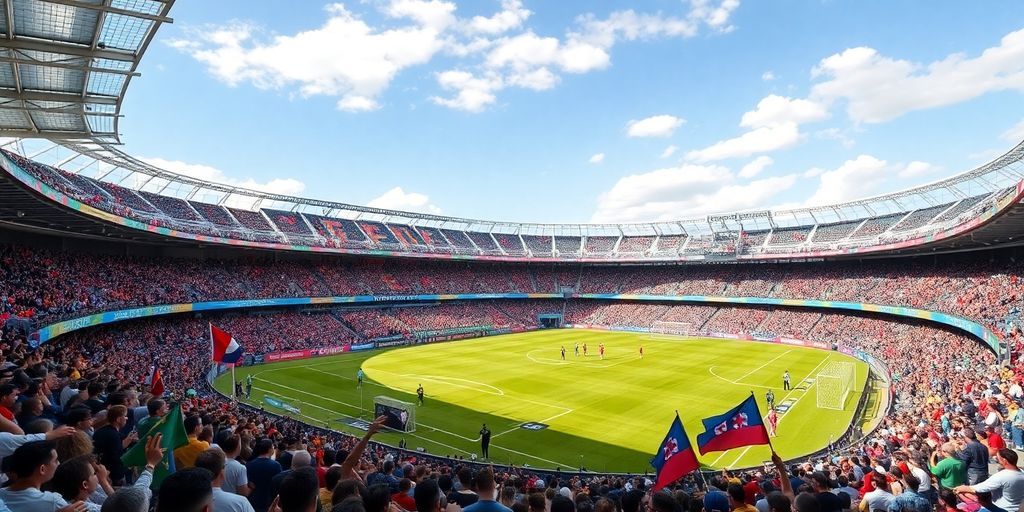
Soccer stadiums have a unique way of capturing the essence of their surroundings. They don’t just serve as venues for matches; they embody the spirit of the community. Take Anfield, for instance. It’s not just a stadium for Liverpool fans; it’s a "church" for the local community. The stadium’s presence in the neighborhood, surrounded by houses that see it daily, creates a strong sense of identity. This is echoed in places like Turf Moor in Burnley, where the stadium’s rugged charm mirrors the town’s grit and history.
Building Emotional Connections with Fans
Stadiums are more than just places to watch soccer; they are where memories are born and emotions run high. Fans forge deep connections with their teams and fellow supporters here. The design of a stadium can amplify this connection. For example, the Yellow Wall at Dortmund’s stadium creates an intimidating atmosphere that resonates with the home fans, making them feel part of something larger than themselves. It’s not just about the match; it’s about the shared experience, the chants, and the camaraderie.
Integrating Stadiums into Urban Landscapes
Modern stadium design often involves blending the structure seamlessly into the urban fabric. This is not just about aesthetics; it’s about making the stadium a part of the city’s daily life. The Allianz Arena in Munich, with its iconic illuminated facade, serves as a beacon for the city, reflecting the teams playing inside. In American cities, stadiums act as melting pots, fostering unity among diverse individuals who might not otherwise interact. This integration helps in promoting community engagement and social cohesion, making the stadium a vital part of the urban landscape.
Stadiums are more than structures; they are living, breathing parts of the community. They capture the history, the culture, and the passion of the people they serve, creating a space where everyone feels at home.
Technological Advancements in Stadium Construction
Utilizing Advanced Materials and Techniques
Modern stadiums are being built with cutting-edge materials that are both lightweight and strong. These materials allow for more daring architectural designs and can withstand extreme weather. One standout feature is the use of translucent roofs, which not only protect fans from the elements but also let in natural light, creating a more open and inviting atmosphere.
- Translucent roofs for natural lighting
- Lightweight, strong materials for bold designs
- Weather-resistant structures
Implementing Smart Stadium Technologies
Today’s stadiums are equipped with smart technologies that enhance the fan experience. From mobile apps that guide you to your seat and let you order food, to high-speed Wi-Fi that keeps you connected, these innovations make attending a game more enjoyable. The Etihad Park is a prime example, being the first fully electronic soccer stadium in the U.S.
- Mobile apps for easy navigation
- High-speed Wi-Fi for connectivity
- In-seat food ordering systems
Ensuring Sustainability and Energy Efficiency
As environmental concerns grow, stadiums are being designed with sustainability in mind. This includes using eco-friendly materials, implementing energy-efficient lighting, and incorporating renewable energy sources like solar panels. These efforts not only reduce the stadium’s carbon footprint but also cut down on operating costs.
Building stadiums with a focus on sustainability is not just a trend, but a necessity. It ensures that these massive structures do not become a burden on the environment, but rather a model for future construction projects.
Case Studies of Iconic Soccer Stadiums
The Allianz Arena: A Blend of Functionality and Aesthetics
The Allianz Arena in Munich is a masterpiece of modern stadium design. Created by the Swiss architects Herzog & de Meuron, this venue is a stunning example of how functionality can meet aesthetics. The stadium’s facade is wrapped in illuminated air cushions that change color depending on the teams playing. This innovative design not only makes the stadium a visual icon but also serves practical purposes, such as energy efficiency and crowd management. Inside, the seating arrangement and amenities are designed to offer maximum comfort and accessibility, making it a favorite among fans.
CITYPARK: A Model for Urban Integration
CITYPARK, located in the heart of St. Louis, sets a benchmark for integrating sports facilities within urban landscapes. The stadium is not just a place for sports but a community hub that hosts concerts and cultural events. Its design emphasizes eco-friendly elements, with green roofs and rainwater harvesting systems. The architects have ensured that CITYPARK remains accessible via public transport, reducing the reliance on cars and minimizing the environmental footprint. This stadium is a testament to how sports venues can contribute positively to urban life.
Anfield: Preserving Tradition While Embracing Modernity
Anfield, the legendary home of Liverpool FC, is a perfect example of preserving tradition while embracing modernity. The stadium has undergone several renovations to increase capacity and improve facilities, all while maintaining its historic charm. The famous "You’ll Never Walk Alone" sign greets fans as they enter, a nod to the club’s rich history. Yet, new features like improved seating and state-of-the-art hospitality suites ensure that Anfield meets the demands of today’s football fans. This balance of old and new makes Anfield a beloved venue not just for Liverpool fans but for football enthusiasts worldwide.
Soccer stadiums are more than just venues; they are landmarks that reflect the culture and aspirations of their communities. As these case studies show, the best stadiums are those that marry innovative design with a deep sense of place.
The Future of Soccer Stadium Design
Trends in Stadium Architecture
Soccer stadiums are not just about the game anymore; they’re evolving into multi-purpose venues. Architects are exploring new designs that are flexible and adaptable. This means stadiums can host concerts, community events, and other sports. The focus is on creating spaces that can transform quickly to suit different needs, which is a big trend now.
The Impact of Virtual Reality on Design
Virtual reality (VR) is changing how stadiums are designed. With VR, designers can create immersive experiences that let stakeholders see exactly how a stadium will look and feel before it’s even built. This technology helps in making better decisions about seating arrangements, sightlines, and even the placement of amenities. It’s like having a virtual tour of a stadium that doesn’t exist yet.
Evolving Needs of Modern Sports Venues
Modern sports venues are being designed with the fan experience in mind. This includes better seating, improved sightlines, and more amenities like food courts and shops. Fans expect more than just a seat to watch the game; they want an experience. With the rise of social media, stadiums are also incorporating more digital elements, like screens and interactive displays, to enhance the game-day atmosphere.
As we look to the future, the design of soccer stadiums will continue to reflect the changing needs and expectations of fans. It’s not just about watching a game; it’s about creating memorable experiences that keep fans coming back.
Incorporating these elements into stadium design not only enhances the fan experience but also ensures that stadiums remain relevant in a competitive entertainment landscape. With ongoing developments in sports infrastructure, like the new women’s soccer stadium in Boston, we can expect to see even more innovative designs in the future.
Conclusion
In the end, designing a soccer stadium is a mix of creativity and practicality. It’s about making a place where fans can feel the excitement of the game while also being comfortable and safe. Architects use tools like 3D renderings to plan every detail, from the seats to the snack stands, ensuring everything works smoothly. These stadiums aren’t just for sports; they host concerts and community events too, so flexibility is key. As the game evolves, so do the stadiums, reflecting the culture and spirit of the teams and their fans. Whether it’s a small local field or a massive arena, the goal is the same: to create a space that brings people together and makes unforgettable memories.
Frequently Asked Questions
What are some cool design features in modern soccer stadiums?
Modern soccer stadiums often use 3D renderings to plan unique designs, like special roof shapes and high-tech digital screens. These features make them stand out and enhance the fan experience.
How do soccer stadiums become eco-friendly?
Soccer stadiums can be eco-friendly by using green spaces, energy-saving lights, and systems that reduce waste. This helps the environment and makes the stadiums more sustainable.
Can soccer stadiums be used for other events?
Yes, many soccer stadiums are designed to host concerts, community events, and other sports. This flexibility makes them useful for different occasions and helps bring in more visitors.
What makes a soccer stadium safe and comfy for fans?
Stadiums are designed with easy access, lots of amenities, and safe seating. These features ensure fans have a comfortable and enjoyable time during games.
How do stadiums reflect local culture and community?
Stadiums often include design elements that show off the local culture and traditions. This helps fans feel connected to the stadium and proud of their community.
What role does technology play in building soccer stadiums?
Technology, like advanced materials and smart systems, helps build modern stadiums. These technologies make construction more efficient and stadiums more enjoyable for fans.