
Soccer has seen some countries just rule the game. We’re talking about dynasties that have not only won trophies but have changed how soccer’s played and watched. Let’s dive into these powerhouse nations that have left a big mark on the sport.
Key Takeaways
- Brazil, with its flair and skill, has been a powerhouse in soccer history.
- Italy’s defensive tactics and legendary clubs have made them a force in Europe.
- Germany is known for its efficient play and has a strong soccer tradition.
- Argentina, fueled by passion, has produced icons like Maradona and Messi.
- Spain’s unique style of play has brought them global success.
The Rise of the Brazilian Soccer Dynasty
Pioneers of the Beautiful Game
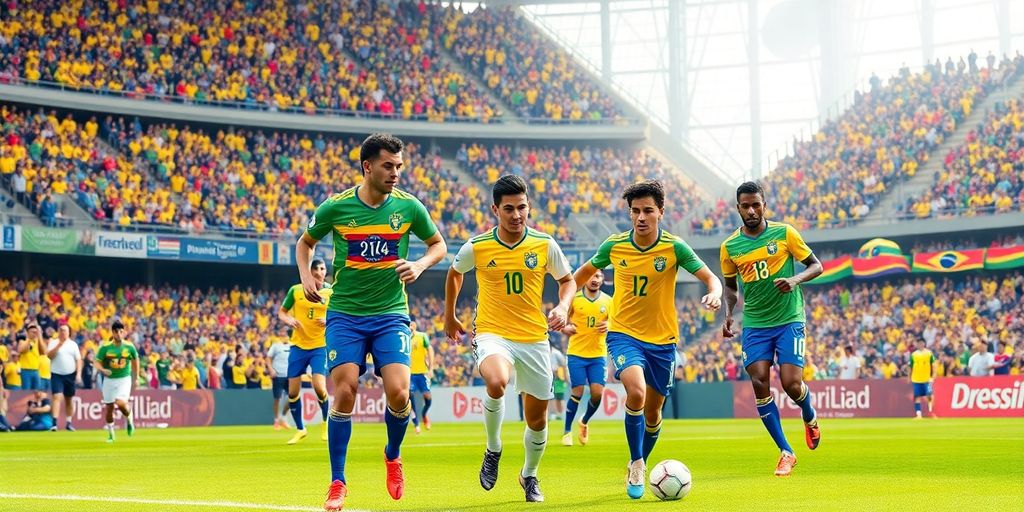
Brazil’s soccer journey started in the early 1900s, but it wasn’t until the 1950s that they truly became a force to be reckoned with. Soccer in Brazil wasn’t just a sport; it was a way of life. The streets were alive with kids playing barefoot, dreaming of wearing the iconic yellow jersey. Brazil’s early teams laid the foundation for what would become a dynasty, blending skill, flair, and a unique style that mesmerized fans worldwide.
- Early adoption of soccer in the 1900s
- Development of a distinct playing style
- Rise of legendary players like Pelé
World Cup Triumphs and Legends
The Brazilian national team has an enviable record in World Cup history. They’ve won the tournament five times, more than any other nation. Each victory added to their legend, with players like Pelé, Romário, and Ronaldo etching their names into the annals of soccer greatness. The 1970 World Cup team is often hailed as one of the best ever, showcasing a beautiful style of play that was both effective and entertaining.
| Year | Achievement |
|---|---|
| 1958 | First World Cup win |
| 1962 | Back-to-back World Cup titles |
| 1970 | Dominant World Cup victory |
| 1994 | Fourth World Cup triumph |
| 2002 | Fifth World Cup win |
Influence on Global Soccer Culture
Brazil’s impact on global soccer is immense. Their style, often referred to as "samba soccer," has inspired countless players and teams around the world. The emphasis on creativity and flair over rigid tactics made soccer more than just a game; it became an art form. Many young players from different countries have looked up to Brazilian legends, trying to emulate their skills and passion for the game.
Brazil’s soccer dynasty isn’t just about the trophies; it’s about inspiring generations. The joy and creativity they bring to the field remind us why we fell in love with the game in the first place. Their influence stretches beyond borders, making soccer a truly global sport.
For more on how Brazil’s soccer dynasty evolved into a global powerhouse by the 1950s, showcasing its rich historical legacy, check out Brazil’s soccer dynasty.
Italy’s Reign in European Soccer
The Tactical Masters of Catenaccio
Italy’s soccer scene is famous for its strategic brilliance, and nothing showcases this better than the Catenaccio style. This defensive tactic, which means "door-bolt" in Italian, has been a cornerstone of Italian soccer. It focuses on a strong defense and quick counter-attacks, often frustrating opponents and leading to unexpected victories. Italy’s ability to defend and then strike when least expected has made them formidable on the field.
Historic World Cup Victories
Italy’s national team has a rich history of triumphs on the world stage, having won the World Cup four times. Their first taste of victory came in the 1930s, with back-to-back wins in 1934 and 1938. After a long gap, they clinched the title again in 1982 and once more in 2006. These victories have cemented Italy’s reputation as one of the most successful teams in World Cup history. Italy’s national team has become a symbol of resilience and tactical prowess.
Iconic Italian Clubs and Players
Italy isn’t just about national glory; their domestic clubs have also made waves globally. Teams like AC Milan, Juventus, and Inter Milan have dominated European competitions, showcasing the depth of talent in the country. These clubs have been home to legendary players like Paolo Maldini, Roberto Baggio, and Alessandro Del Piero, who have left an indelible mark on the sport.
Italian soccer is a blend of passion, strategy, and skill, making it a unique and powerful force in the world of sports.
Germany’s Soccer Supremacy
Engineering Success on the Field
Germany has always been known for its methodical and efficient approach to soccer. Their focus on discipline and teamwork has led them to numerous victories. Germany’s national team has a reputation for being relentless and strategic, often wearing down opponents with their precise play. This engineering mindset is not just about physical prowess but also about mental strength and tactical intelligence.
The Bundesliga’s Global Impact
The German Bundesliga is a powerhouse in the world of soccer, known for its passionate fans and competitive matches. It’s home to some of the most intense rivalries, such as Der Klassiker and the Revierderby. The league’s emphasis on developing young talent and maintaining financial stability has set a benchmark for other leagues around the world. The Bundesliga’s influence extends beyond Germany, attracting international talent and viewership.
Legendary German Players and Coaches
From Franz Beckenbauer to Miroslav Klose, Germany has produced some of the most iconic figures in soccer. These players have not only excelled on the field but have also contributed to the sport’s evolution. Coaches like Joachim Löw have brought innovation and a modern approach to the game, ensuring Germany remains at the forefront of international soccer.
The combination of tactical brilliance, strong leadership, and a commitment to excellence has solidified Germany’s position as a dominant force in soccer. Their legacy is not just in the trophies they’ve won but in the way they’ve shaped the game itself.
Argentina’s Passionate Soccer Legacy
The Maradona and Messi Eras
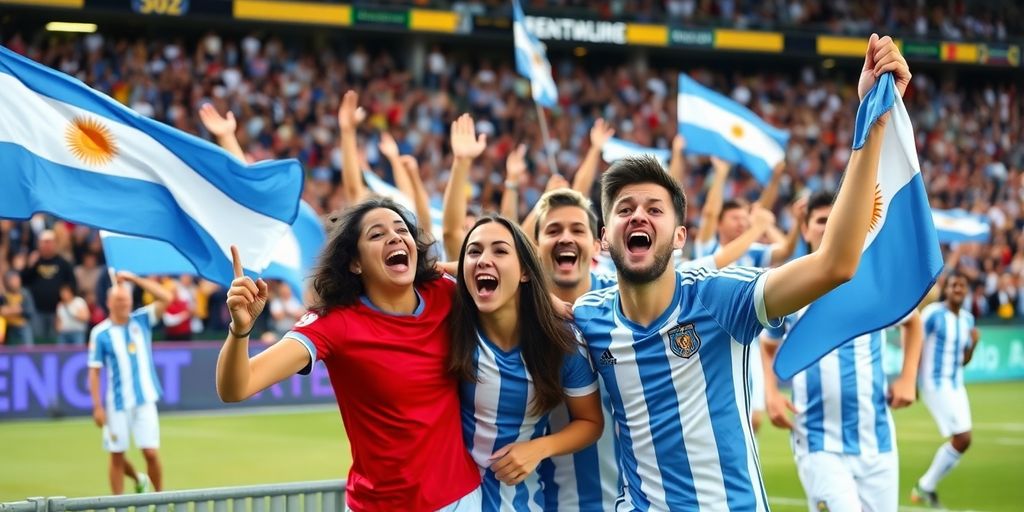
Argentina’s soccer history is rich with unforgettable moments, largely thanks to two iconic figures: Diego Maradona and Lionel Messi. Maradona’s mesmerizing dribbles and the infamous ‘Hand of God’ goal in the 1986 World Cup are etched in the annals of soccer history. Fast forward to the present, and Messi’s unparalleled skill and vision have kept Argentina at the forefront of international soccer. These two eras have not only brought glory to Argentina but have also inspired countless young players worldwide.
Copa America and World Cup Successes
Argentina’s national team has enjoyed considerable success on the international stage. They have claimed the Copa America title numerous times, showcasing their dominance in South American soccer. The pinnacle of their achievements, however, came with their World Cup victories in 1978 and 1986. These triumphs solidified Argentina’s status as a soccer powerhouse and brought immense pride to the nation.
Argentina’s Influence on South American Soccer
Argentina’s impact on soccer extends beyond its national team. The country has produced a wealth of talent that has enriched leagues around the world. Clubs like River Plate, known for their influential style of play, have played a significant role in shaping the sport’s landscape. Moreover, Argentina’s passionate fan base and vibrant soccer culture have made it a hub for the sport in South America.
Argentina’s soccer legacy is a tapestry woven with passion, talent, and unforgettable moments that continue to inspire fans and players alike.
Spain’s Golden Generation

Tiki-Taka Revolution and Its Architects
Spain’s golden era in soccer is often defined by the revolutionary tiki-taka style of play. This approach, characterized by short, quick passes and maintaining possession, became the hallmark of Spanish soccer. The architects of this style, including coaches like Pep Guardiola and players such as Xavi and Iniesta, transformed the way the game was played. Their influence was so profound that it changed global soccer tactics.
- Emphasis on possession and control
- Quick, short passing game
- High pressing to regain possession
UEFA European Championship Dominance
During this period, Spain clinched back-to-back UEFA European Championships in 2008 and 2012. This dominance wasn’t just about winning; it was about the style and flair with which they played. The team’s ability to control the game and dictate the pace was unmatched, making them a formidable opponent on any stage.
- 2008 UEFA European Championship
- 2010 FIFA World Cup
- 2012 UEFA European Championship
La Liga’s Role in Shaping Soccer
La Liga, Spain’s top professional league, played a pivotal role in nurturing this generation of players. Clubs like Barcelona and Real Madrid not only competed fiercely but also cultivated talent that would go on to shape the national team’s success. The league’s competitive nature and focus on skill development helped Spain establish a strong soccer foundation.
Spain’s golden generation wasn’t just about winning trophies. It was about redefining how soccer is played, leaving a lasting legacy on the sport. The blend of talent, strategy, and passion created a team that was not only successful but also a joy to watch.
For more on what defines a Golden Generation, explore the concept of a remarkably talented group of players and their impact on sports.
The English Soccer Heritage
The Birthplace of Modern Soccer
England is where soccer, as we know it, truly began. The game has roots going back to the 19th century, with the establishment of the first official rules and the formation of the Football Association in 1863. This period marked the beginning of organized soccer, setting the stage for the sport’s global expansion. England’s influence on soccer is undeniable, from the creation of the FA Cup in 1871 to the founding of the English Football League in 1888. These early developments helped standardize the game, making it accessible and popular worldwide.
Premier League’s Global Reach
The Premier League is arguably the most famous soccer league in the world. Since its inception in 1992, it has become a powerhouse, attracting top talent and massive audiences. The league’s competitiveness and flair have made it a favorite among soccer fans globally. Each season, millions tune in to watch clubs like Manchester United, Liverpool, and Chelsea battle it out, showcasing a blend of local talent and international stars. The Premier League’s success is a testament to England’s enduring soccer culture.
England’s National Team Journey
The journey of England’s national team has been a rollercoaster of emotions. From winning the World Cup in 1966 to experiencing heart-breaking exits in later tournaments, the team has seen it all. Despite the ups and downs, the passion for the national team remains strong among fans. The team’s recent performances in international competitions have reignited hope and excitement. As England continues to develop new talents and strategies, the dream of another World Cup victory is very much alive.
Soccer in England is more than just a sport; it’s a cultural phenomenon that transcends generations. The game has brought people together, creating a shared sense of identity and pride. England’s rich soccer heritage continues to inspire fans and players alike, ensuring that the legacy of the beautiful game endures.
In addition to its native influences, English culture is enriched by diverse contributions from various immigrant groups, including Afro-Caribbeans, Asians, and Muslims. These communities have added vibrancy to the sport, making it a more inclusive and dynamic part of English life.
France’s Soccer Renaissance
From Platini to Zidane: A Legacy of Talent
France has long been a breeding ground for soccer talent, producing legends like Michel Platini and Zinedine Zidane. These players didn’t just shine on the field; they redefined what it means to be a soccer star. Platini, with his incredible vision and skill, was a maestro in the midfield, while Zidane’s elegance and poise made him a household name around the globe. Both players left an indelible mark on the sport, inspiring countless young athletes to pursue their dreams.
- Michel Platini: Known for his strategic play and leadership.
- Zinedine Zidane: Celebrated for his creativity and technical prowess.
- Didier Deschamps: A key figure who achieved World Cup glory both as a player and a coach. Learn more about his achievements.
World Cup and European Championship Glory
France’s national team has enjoyed significant success on the world stage. Winning the World Cup in 1998 and again in 2018, the team showed that they could compete with the best. The European Championship victory in 2000 further cemented their place among soccer’s elite.
Here’s a quick look at their major triumphs:
| Year | Tournament | Outcome |
|---|---|---|
| 1998 | FIFA World Cup | Winners |
| 2000 | UEFA European Champ | Winners |
| 2018 | FIFA World Cup | Winners |
France’s ability to rise to the occasion during major tournaments speaks volumes about their soccer culture and the talent they’ve nurtured over the years.
Ligue 1’s Contribution to World Soccer
Ligue 1 has been a crucial platform for developing world-class players. Clubs like Paris Saint-Germain and Olympique Lyonnais have not only dominated domestically but have also made their mark in European competitions. The league is known for its competitive nature and has been a stepping stone for players who have gone on to achieve greatness in other leagues.
- Paris Saint-Germain: A powerhouse in French soccer, consistently performing well in both domestic and European competitions.
- Olympique Lyonnais: Known for developing young talent and competing fiercely in Ligue 1.
- AS Monaco: A club with a rich history of nurturing future stars.
Ligue 1 continues to be a vital part of the global soccer ecosystem, contributing to its growth and evolution. The league’s emphasis on youth development and competitive play ensures that France remains a key player in the world of soccer.
Wrapping Up the Soccer Dynasties
So, there you have it, a look at the soccer dynasties that have left their mark on the game. These teams didn’t just win matches; they created legacies. From the thrilling goals to the unforgettable moments, they’ve given fans memories that last a lifetime. It’s not just about the trophies, but the passion and the stories that come with them. Soccer isn’t just a game; it’s a part of life for so many people around the world. And these dynasties? They’ve shown us just how powerful and unifying the sport can be. As we look to the future, who knows which team will rise next to capture our hearts and imaginations. But one thing’s for sure, the love for the game will never fade.
Frequently Asked Questions
What makes Brazil’s soccer style unique?
Brazil is known for its creative and skillful playing style, often called ‘The Beautiful Game.’ They focus on flair and technical ability, making their matches exciting to watch.
How did Italy become a powerhouse in soccer?
Italy mastered a defensive strategy called Catenaccio, which helped them win many important tournaments, including the World Cup.
Why is Germany so successful in soccer?
Germany’s success comes from their strong teamwork and discipline. They have a well-organized system that produces talented players and coaches.
What is Argentina famous for in the soccer world?
Argentina is famous for producing legendary players like Maradona and Messi. They have won the World Cup and Copa America several times.
How did Spain change the way soccer is played?
Spain introduced the Tiki-Taka style, which focuses on short passes and keeping possession of the ball. This approach led them to win many European and World Championships.
What is special about England’s soccer history?
England is known as the birthplace of modern soccer. They have a rich history and the Premier League is one of the most popular soccer leagues in the world.