
Soccer is a game of skill, strategy, and sometimes, sheer willpower. When players step onto the field, they often face not only their opponents but also the elements. From freezing temperatures to scorching heat, extreme weather can turn a regular match into an unforgettable spectacle. In this article, we’ll explore some of the most memorable soccer matches played in extreme weather conditions, showcasing how the elements can shape the game and test the limits of players and fans alike.
Key Takeaways
- Extreme weather can drastically affect gameplay and player performance.
- Matches played in freezing temperatures can lead to unique challenges, like hypothermia risks.
- Blistering heat often necessitates water breaks, changing the pace of the game.
- Heavy snow can create chaotic scenes, with visibility issues impacting the match.
- Windy conditions can lead to unexpected goals and unusual play outcomes.
Memorable Matches in Frigid Conditions
The Coldest Game on Record
When you think about soccer, you probably don’t picture sub-zero temperatures. But some games have been played in truly brutal conditions. One notable example is a CONCACAF Champions League match in 2018 between Toronto FC and Colorado Rapids, where the temperature dipped to a bone-chilling 3°F (-16°C). That’s cold even by winter standards! It really makes you wonder how the players managed to perform at all.
Snow Clasico Showdown
The term "Snow Clasico" has become pretty common, especially in the MLS, to describe games played in heavy snow. One of the most famous was a USMNT game against Costa Rica in 2013. The temperature was around 28°F (-2°C), and Clint Dempsey scored the winning goal.
It’s wild to think about how much the weather can impact a game. You have to wonder if the players are more focused on staying warm than actually playing soccer. It definitely adds a whole new layer of difficulty.
Players’ Experiences in Extreme Cold
Playing in extreme cold isn’t just uncomfortable; it can seriously affect performance and even be dangerous. Here are some things players have to deal with:
- Reduced muscle function: Cold muscles are slower and more prone to injury.
- Decreased stamina: The body has to work harder to stay warm, using up energy faster.
- Visibility issues: Snow and wind can make it hard to see the ball and other players.
To combat these issues, players often wear extra layers, like gloves and hats. It’s also important to stay hydrated, even though it’s cold, and to keep moving to generate heat. The World Cup planning should consider these factors.
Iconic Games Amidst Blistering Heat

Water Breaks at the World Cup
The 2014 World Cup in Brazil is remembered for many things, but the introduction of official water breaks stands out due to the intense heat. Games played in cities like Manaus, located in the Amazon rainforest, saw temperatures soaring close to 100°F (37°C) with high humidity. This prompted FIFA to implement cooling breaks in both halves to protect player safety. It was a stark reminder of the physical toll extreme heat can take on even the most conditioned athletes. This measure has since become more commonplace in high-level soccer.
Surviving the Brazilian Heat
Playing soccer in Brazil’s climate is no joke. The combination of heat and humidity creates a brutal environment. Players had to adapt quickly, focusing on hydration and energy conservation.
Here’s what many teams did to cope:
- Increased hydration strategies before, during, and after matches.
- Adjusted training schedules to avoid the hottest parts of the day.
- Utilized cooling vests and ice baths to lower body temperature.
The Brazilian heat presented a unique challenge. Teams had to balance the need to perform at their best with the imperative to protect their players from heatstroke and exhaustion. It forced coaches to think differently about substitutions and tactical approaches.
Heat-Related Challenges for Players
Extreme heat poses significant challenges for soccer players. Dehydration, heat exhaustion, and heatstroke are real risks. Players often experience reduced stamina, impaired decision-making, and increased susceptibility to injuries. technical skills are put to the test. The physical demands of the sport are amplified, requiring players to push their bodies to the limit. It’s not just about fitness; it’s about resilience and mental fortitude. The heat can truly make or break a team’s performance.
Historic Encounters in Heavy Snow
Snowstorms Impacting Gameplay
Okay, so, snow and soccer? Not always a match made in heaven. I mean, think about it: a blanket of white stuff covering the field, making it hard to see the ball, let alone pass it accurately. Snowstorms can totally transform a game, turning it into something almost unrecognizable. One thing that happens is the ball slows down a lot. Players have to adjust their touch and passing power. It’s not just about kicking; it’s about calculating how much the snow will affect the ball’s trajectory.
- Visibility drops significantly.
- The ball’s movement becomes unpredictable.
- Players struggle to maintain their footing.
Memorable Goals in Snowy Conditions
But hey, sometimes, the snow creates these unforgettable moments, right? Think about a player slipping and sliding, somehow managing to connect with the ball and score a screamer. Those are the goals people remember. It adds a layer of drama and unpredictability. I remember watching a game where the snow was coming down so hard you could barely see the players, and then, out of nowhere, this guy scores an amazing goal. It was pure chaos, but it was awesome. These moments become legendary, talked about for years. It’s like, the worse the conditions, the more epic the goal seems.
Fan Reactions to Snowy Matches
Fans are a different breed, aren’t they? Some love the snow games; they think it adds to the atmosphere. Others? Not so much. Sitting in the stands, freezing your butt off, while trying to watch a game through a blizzard? Not everyone’s idea of a good time. But even the grumpy ones have to admit there’s something special about a snow-covered stadium. It’s like you’re all in it together, battling the elements. Plus, the pictures always look amazing. The iconic soccer matches become even more memorable because of the shared experience of enduring the weather.
I think the best part about watching a soccer game in the snow is the camaraderie. Everyone’s cold, everyone’s a little miserable, but you’re all there for the same reason: to support your team. It creates this weird sense of unity, like you’re all part of something bigger than just a game.
Unforgettable Matches in Torrential Rain
The Wettest Game in History
Some soccer matches aren’t just wet; they’re legendary for the sheer volume of water involved. I remember watching a Kazakhstan League match from 2013, and it was insane. The field was practically a swimming pool! Players were splashing through puddles with every step. It wasn’t just rain; it was a deluge. It makes you wonder how they even managed to keep the ball moving. It’s definitely up there as one of the wettest games ever.
Creative Plays in the Rain
Rain can really mess with a team’s usual game plan, but sometimes, it leads to some pretty inventive plays. Think about it: a slick field changes everything. Players have to adjust their passes, their runs, and even their celebrations. I’ve seen some crazy corner kick routines in the rain that you’d never see on a dry day. It forces teams to think outside the box, and that can be really fun to watch. It’s all about adapting to the weather affected play.
Impact of Rain on Player Performance
Rain isn’t just a visual spectacle; it seriously affects how players perform. A wet ball is harder to control, passes skid differently, and players tire out faster. Plus, there’s the whole visibility issue. It’s tough to make accurate shots or defend properly when you’re squinting through a downpour. I’ve seen games where the rain completely levels the playing field, giving the underdog a real advantage. It’s a reminder that soccer isn’t just about skill; it’s about resilience and adapting to the elements.
Playing in torrential rain is brutal. It’s not just about being wet; it’s about the constant struggle to maintain grip, the sting of rain in your eyes, and the mental challenge of staying focused when everything is working against you. It tests a player’s resolve in ways that a sunny day never could.
Windy Conditions Leading to Unusual Outcomes
Wind can be a real game-changer in soccer, leading to some truly bizarre and memorable moments. It’s not just about making passes harder; it can completely alter the flow of a match. You see players misjudge the flight of the ball, and sometimes, the wind even contributes to some unbelievable goals (or own goals!).
Own Goals Caused by Wind
I remember watching a friendly match where the wind was so strong, it literally blew the ball back towards a defender, leading to a comical own goal. The goalkeeper had no chance. It’s those kinds of moments that stick with you. These aren’t just simple mistakes; they’re moments where Mother Nature directly interferes with the game. It’s a reminder that even the best players are at the mercy of the elements. One example is the friendly match between Assaf Mendes and Dynamo Kiev, where the wind caused an unfortunate own goal.
Challenges of Playing in Strong Winds
Playing in strong winds presents a unique set of challenges:
- Difficulty in controlling the ball, especially when it’s in the air.
- Inaccurate long passes, as the wind can easily push the ball off course.
- Goalkeepers struggling with goal kicks and punts.
- Set pieces becoming unpredictable, with free kicks and corners affected by the wind’s direction.
It’s not just about physical strength; it’s about adapting your technique and anticipating how the wind will affect the ball. Players need to adjust their body position, use shorter passes, and be extra cautious when defending.
Memorable Windy Matches
There have been some truly memorable matches where the wind played a starring role. Think about games where you see crazy deflections, unexpected goals from distance, and just an overall sense of chaos. The Premier League matches in places like Stoke are a good example of how weather impacts the game. One game that comes to mind is the Nov. 13, 2005 game between the Chicago Bears and San Francisco 49ers featured crosswinds of up to 28 miles per hour and gusts of up to 38 miles per hour. These are the games that fans talk about for years to come, not always for the skill on display, but for the sheer unpredictability and drama that the wind brings.
The Role of Weather in Soccer Strategy
Adapting Tactics to Weather Conditions
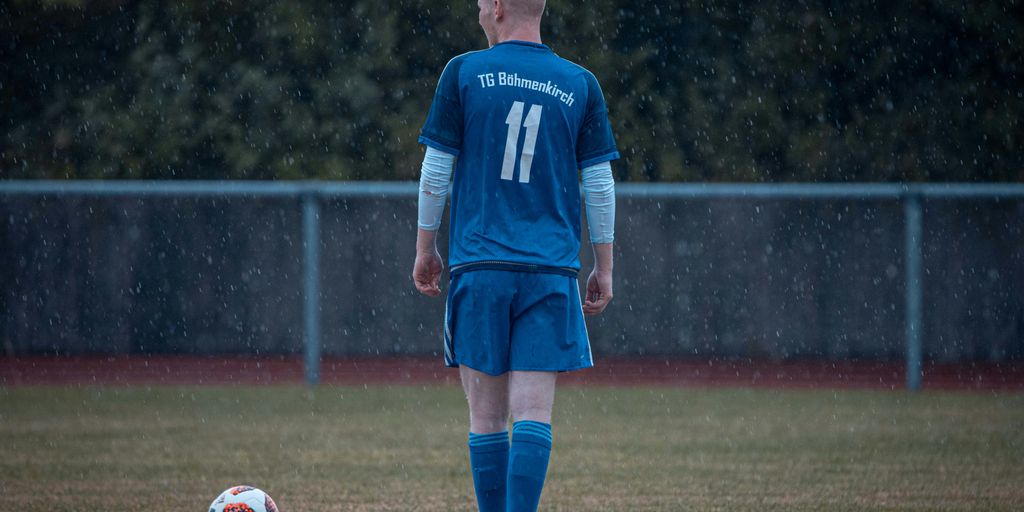
Weather throws a wrench into even the best-laid plans. You can’t just ignore it; you have to adjust. A team built for speed and passing might struggle in heavy rain, where the ball slows down and becomes harder to control. Suddenly, long balls and physical play become more appealing. Flexibility is key. Teams need to have multiple game plans ready to go, depending on what Mother Nature decides to throw at them. It’s not just about changing formations, but also about selecting players who are suited to the conditions. For example, a taller, stronger player might be preferred in windy conditions to win aerial duels. youth soccer is also impacted by weather.
Coaching Decisions in Extreme Weather
Coaches earn their money in extreme weather. It’s not just about making tactical tweaks; it’s about managing risk. Do you push for a goal when a sudden downpour makes the field treacherous, or do you play it safe and protect your lead? Substitutions become even more important. Bringing on fresh legs who are better suited to the conditions can be a game-changer. And it’s not just about on-field decisions. Coaches also need to consider the mental state of their players. Extreme weather can be draining, both physically and mentally, so keeping the team focused and motivated is crucial.
Player Preparation for Harsh Elements
It’s not just about what happens on the field; it’s about what happens before the game even starts. Players need to be prepared for the elements, both physically and mentally. This means:
- Proper warm-up routines to combat the cold.
- Hydration strategies to deal with the heat.
- Gear selection to handle rain or snow.
Beyond the physical, there’s a mental aspect. Players need to be mentally tough and ready to battle through difficult conditions. Visualizing success in adverse weather can be a powerful tool. It’s about embracing the challenge and not letting the weather become an excuse for poor performance.
Safety Concerns in Extreme Weather Matches
Health Risks for Players
Playing soccer in extreme weather isn’t just about dealing with a slippery ball or reduced visibility; it’s about real health risks. Extreme temperatures, whether hot or cold, can push players’ bodies to their limits. In cold conditions, there’s the danger of hypothermia, where the body loses heat faster than it can produce it. Watch out for symptoms like vigorous shivering, confusion, and slurred speech. On the flip side, intense heat can lead to heatstroke, a life-threatening condition.
Protocols for Weather-Related Delays
When the weather turns nasty, it’s not just a matter of gritting your teeth and playing on. There are protocols in place, though they can vary depending on the league and competition. For example, FIFA doesn’t have specific rules for extreme cold, but organizations like FIFPRO suggest canceling games when the air temperature drops below -15C or the wind chill goes below -27C. In cases of extreme heat, organizers might implement water breaks or even postpone the match. Lightning is another big one; many leagues will delay a game if lightning is detected nearby. It’s all about balancing the desire to play with the need to keep everyone safe.
Historical Postponements Due to Weather
Believe it or not, weather-related postponements happen more often than you might think. Remember that LA Galaxy vs. LAFC game that got pushed from February to July because of heavy rain? Or the LAFC vs. Houston Dynamo match delayed due to lightning? These aren’t isolated incidents. Here’s a quick look at some reasons for postponements:
- Heavy rain leading to waterlogged pitches
- Lightning strikes posing a safety hazard
- Extreme cold making play dangerous
It’s important to remember that these decisions aren’t taken lightly. They often involve consulting with medical professionals and assessing the specific conditions at the stadium. The goal is always to prioritize the safety of the players and fans, even if it means disappointing those who were looking forward to the game. Sometimes, canceling matches is the only responsible thing to do.
Final Thoughts on Extreme Weather Matches
In the end, soccer is more than just a game; it’s a test of endurance, especially when the weather goes haywire. From freezing temperatures to sweltering heat, these matches show how players push through tough conditions. Fans remember these games not just for the scores, but for the sheer grit and determination on display. Sure, extreme weather can make things chaotic, but it also creates unforgettable moments. Whether it’s a snowstorm or a heatwave, these matches remind us why we love the sport. They bring out the best and sometimes the worst in everyone involved. So, the next time you watch a game, think about what those players are really going through out there.
Frequently Asked Questions
What was the coldest soccer game ever played?
The coldest soccer match on record took place in 2018 at Dick’s Sporting Goods Park, where the temperature dropped to 3°F (-16°C) during a CONCACAF Champions League match between Toronto FC and Colorado Rapids.
How do players handle extreme heat during matches?
In very hot games, like those at the 2014 World Cup, players take water breaks to stay hydrated. The temperature can reach around 100°F (37°C), making it tough to play.
What happens when it snows during a game?
Snow can change how the game is played. For example, during a famous match called the ‘Snow Clasico,’ players had to deal with heavy snow, which affected visibility and gameplay.
Can rain impact a soccer match?
Yes, heavy rain can make the field slippery and affect how players move. One of the wettest games in history was played in Kazakhstan, showing how rain can change the game.
How does wind affect soccer matches?
Strong winds can lead to unusual outcomes, such as own goals. Players have to adjust their strategies to cope with the wind during games.
What safety measures are in place for extreme weather?
Leagues like FIFA and MLS have rules to protect players during extreme weather. They may postpone games or take breaks if conditions are too dangerous.