
It’s a tough break when a player works their whole life to reach the World Cup, only for an injury to get in the way. We’re talking about those moments when dreams just fall apart, and what it means for the players and their teams. This article looks at the careers of players who missed World Cups due to injury, and how they dealt with such a big setback.
Key Takeaways
- Injuries can mess up a player’s World Cup hopes at the last minute.
- Missing the World Cup because of an injury can really affect a player’s career for a long time.
- Some players manage to do great things in their careers even after an injury keeps them out of the World Cup.
- Teams are always looking for new ways to keep players healthy, especially before big tournaments.
- When key players get hurt, it changes how national teams play and how well they do in the World Cup.
The Cruel Twist of Fate: Players Who Missed World Cups Due to Injury
When Dreams Turn to Dust: Last-Minute Injury Heartbreak
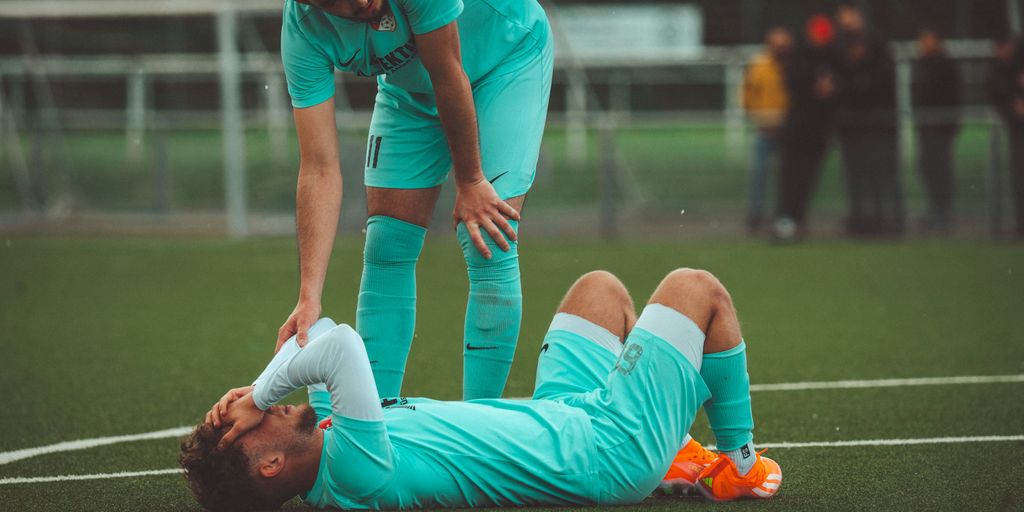
It’s the nightmare scenario for any player: the World Cup is just around the corner, you’re in peak form, and then, disaster strikes. A mistimed tackle in training, an awkward landing during a match – suddenly, years of dedication can be undone in a single, agonizing moment. These last-minute injuries are especially brutal, robbing players of their chance to shine on the biggest stage and leaving fans wondering what could have been. It’s not just the physical pain; it’s the emotional toll of seeing a lifelong dream snatched away at the very last second. Think about the mental fortitude it takes to watch your teammates compete, knowing you should have been out there with them.
The Unseen Scars: Long-Term Impact of World Cup Absence
The impact of missing a World Cup due to injury extends far beyond the tournament itself. For some players, it can mark a turning point in their careers. The recovery process can be arduous, and there’s no guarantee of returning to the same level of performance. Confidence can be shattered, and the fear of re-injury can linger, affecting their play. The psychological impact can be profound, leading to depression, anxiety, and a sense of unfulfillment. It’s a reminder that the beautiful game can also be incredibly cruel, leaving unseen scars that can last a lifetime.
Beyond the Pitch: Mental Toll on Injured Stars
It’s easy to forget that footballers are human beings with emotions and vulnerabilities. Missing a World Cup due to injury can trigger a range of mental health challenges. The isolation, the constant media attention, and the pressure to recover quickly can all take a heavy toll. It’s important for these players to have access to strong support systems, including therapists, counselors, and understanding teammates and family members. The footballing world is slowly starting to recognize the importance of mental health, but there’s still a long way to go in providing adequate support for injured stars.
The mental aspect of recovery is often overlooked. Players need to process the disappointment, rebuild their confidence, and find new ways to motivate themselves. It’s a journey that requires resilience, self-compassion, and a strong support network.
Here’s a quick look at some common mental health challenges faced by injured players:
- Depression
- Anxiety
- Loss of motivation
- Fear of re-injury
And here’s a table showing the estimated recovery times for common football injuries:
| Injury | Estimated Recovery Time |
|---|---|
| ACL Tear | 6-9 months |
| Hamstring Strain | 2-8 weeks |
| Ankle Sprain | 2-6 weeks |
It’s a tough road, and shoulder surgery is often required to get back on the pitch.
Legends Sidelined: Iconic Players Who Missed World Cups Due to Injury
The Unfulfilled Legacy: What Could Have Been for Injured Talents
It’s tough to think about what could have been. We’ve all seen players with amazing talent, true icons of the game, robbed of their chance to shine on the biggest stage due to injury. These aren’t just missed games; they’re potential legacies altered forever. Imagine a World Cup where a certain star player led their team to glory. Now imagine that player watching from the sidelines. It changes everything.
A Generation’s Loss: How Injuries Shaped World Cup History
World Cup history isn’t just about the winners; it’s also about who wasn’t there. Injuries have a way of rewriting narratives. A key injury can derail a team’s entire campaign, shifting the balance of power and creating opportunities for unexpected heroes. It’s a harsh reality, but it’s part of what makes the tournament so unpredictable. The absence of key figures like Gareth Bale due to their nation’s inability to qualify or untimely injuries, leaves a void in the tournament’s history.
The ‘What If’ XI: Imagining Teams with Injured Stars
It’s a classic football fan exercise: building the ultimate team. But what about the ultimate injured team? Imagine a lineup of players who were all ruled out of World Cups due to injury. It would be a squad of superstars, a testament to the cruel hand of fate. You could build an entire team of players who never got to show their skills at the World Cup.
It’s easy to forget the human element when discussing these things. These players aren’t just names on a team sheet; they’re individuals who have dedicated their lives to the sport. To have that dream snatched away at the last minute is a devastating blow, one that can have lasting consequences both on and off the field.
The Unlucky XI: Tracing the Careers of Players Who Missed World Cups Due to Injury
It’s easy to remember the stars who shone brightly on the World Cup stage, but what about those whose dreams were shattered by injury? This section looks at players whose careers took unexpected turns because they missed out on the world’s biggest tournament. We’ll explore how these setbacks impacted their careers, both on and off the field.
From Club Hero to International Spectator: The Injury Divide
Some players achieve legendary status at their clubs, only to be denied international glory due to untimely injuries. The transition from being a key player for their club to a spectator for their country can be a difficult one. It raises questions about the differences in training, pressure, and playing styles between club and international football. For example, consider the intense pressure and scrutiny surrounding female football players, who face a higher risk of ACL injuries.
The Road to Recovery: Battling Back After World Cup Setbacks
Missing a World Cup can be a devastating blow, but it doesn’t always spell the end of a career. Many players have shown incredible resilience, battling back from serious injuries to continue playing at a high level. The road to recovery is often long and arduous, requiring immense dedication and mental fortitude. It’s a testament to their character and love for the game.
Consider these steps in the recovery process:
- Initial diagnosis and treatment
- Rehabilitation and physical therapy
- Gradual return to training
- Mental preparation and confidence building
Redefining Success: Careers Forged Despite World Cup Absence
Not every player needs a World Cup appearance to define their career. Some players, despite missing out on the tournament due to injury, have still achieved remarkable success and left a lasting legacy. They may have excelled in club football, won other major international trophies, or made significant contributions to the sport in other ways. Their stories remind us that there are many ways to measure success in football. It’s about more than just lifting the World Cup trophy. Some players like Bill Foulkes never appeared in a World Cup due to competition.
It’s important to remember that a player’s worth isn’t solely determined by their World Cup appearances. Many factors contribute to a successful and fulfilling career, including club achievements, personal growth, and the impact they have on the sport and their communities.
Preventing the Heartbreak: Mitigating Injuries for World Cup Hopefuls
Advancements in Sports Medicine: Protecting Players Who Missed World Cups Due to Injury
Sports medicine has come a long way, and it’s constantly evolving. We’re seeing better diagnostic tools, like advanced imaging, that can catch potential problems earlier. This means doctors can intervene before a minor issue becomes a World Cup-derailing injury. Plus, there’s a greater understanding of biomechanics and how different movements affect the body. This knowledge informs training and rehab programs, making them more effective. It’s not just about treating injuries anymore; it’s about preventing them in the first place. These advancements in football injuries are crucial for keeping players on the field.
Training Regimes and Injury Prevention: A Proactive Approach
Modern training isn’t just about pushing players to their physical limits. It’s about smart training. That means:
- Carefully monitoring workload to avoid overtraining.
- Incorporating strength and conditioning programs that target specific muscle groups vulnerable to injury.
- Using data analytics to track player fatigue and adjust training accordingly.
It’s a delicate balance. Coaches need to prepare their players for the intensity of a World Cup, but they also need to protect them from themselves. A proactive approach to injury prevention is key.
The Role of Clubs: Balancing Player Welfare and National Ambition
Clubs and national teams often have competing interests. Clubs pay the players’ salaries, so they want them fit and available for club matches. National teams need those same players in peak condition for the World Cup. This can create tension. It’s important for clubs to work with national team medical staff to develop training and recovery plans that benefit everyone. Communication is key. Clubs should prioritize player welfare, even if it means limiting their playing time before a major tournament. It’s a long-term investment. The best clubs understand that a healthy player is a more productive player, both for them and for their country. It’s about finding a way to support national ambition without risking player burnout.
The Global Impact: How Injuries Affect National Teams’ World Cup Fortunes
Team Dynamics Disrupted: The Ripple Effect of Key Player Injuries
When a star player goes down, it’s more than just a name off the team sheet. It throws the whole team dynamic into chaos. Suddenly, other players are forced into unfamiliar roles, chemistry is disrupted, and the entire game plan might need a complete overhaul. It’s like trying to bake a cake when you’re missing a key ingredient – you can try to substitute, but it’s never quite the same. The psychological impact can be huge too. Teammates might feel added pressure to perform, or the overall confidence of the squad could take a hit. This is especially true if the injured player is a leader or a particularly influential figure in the dressing room. The absence of a key player can lead to time-loss injuries and affect the team’s ability to compete effectively.
Tactical Adjustments: Adapting to the Absence of Injured Stars
Coaches earn their money when injuries strike. They have to figure out how to fill the void, often with limited options. Maybe it means switching formations, giving a young player a shot, or asking someone to play out of position. It’s a real test of their tactical flexibility and ability to think on their feet. Sometimes, these adjustments can even lead to unexpected success, as a previously unknown player steps up and seizes the opportunity. Other times, it can expose weaknesses in the team’s structure and lead to disappointing results. It’s a high-stakes game of chess, and the coach is constantly trying to anticipate the opponent’s moves while dealing with a constantly changing set of circumstances.
The Depth Dilemma: When Squads Are Tested by Injury
Every team dreams of having a squad full of world-class players, but the reality is that most rely on a core group of starters. When injuries pile up, the depth of the squad is really put to the test. Can the backups step in and perform at a similar level? Or will the team struggle to maintain its competitiveness? This is where smart scouting and player development become so important. Teams that invest in building a strong youth academy and identifying hidden gems are often better equipped to handle injury crises. It’s not just about having bodies to fill the positions; it’s about having players who understand the system, have the right mentality, and are ready to contribute when called upon.
It’s easy to underestimate the impact of injuries on a team’s World Cup chances. It’s not just about losing a player; it’s about the disruption, the adjustments, and the psychological toll it takes on everyone involved. A single injury can be the difference between lifting the trophy and going home early.
Beyond the Headlines: The Untold Stories of Players Who Missed World Cups Due to Injury
Personal Journeys: Resilience in the Face of Adversity
It’s easy to see these athletes as just players, but they’re people first. Missing a World Cup due to injury isn’t just a career setback; it’s a deeply personal blow. The mental fortitude required to navigate the recovery process and rebuild a career is immense. Some players find strength in their families, while others turn to new hobbies or passions to cope with the disappointment. The journey back is rarely linear, with setbacks and triumphs along the way. It’s a testament to the human spirit that so many find a way to keep going. It’s important to remember that these athletes are more than just their on-field performances; they’re individuals with dreams, fears, and the capacity for incredible resilience. The Arsenal player availability this season shows how quickly things can change.
Support Systems: The Unsung Heroes Behind Injured Players
Behind every injured player is a team of people working tirelessly to support their recovery. This includes:
- Family members, who provide emotional support and a sense of normalcy.
- Medical staff, including doctors, physical therapists, and trainers, who guide the rehabilitation process.
- Coaches and teammates, who offer encouragement and maintain team morale.
These support systems are vital for helping players cope with the physical and emotional challenges of injury. They provide a sense of community and belonging, reminding players that they are not alone in their struggles. Without these unsung heroes, the road to recovery would be even more difficult.
A Different Perspective: Finding Purpose After World Cup Disappointment
Missing a World Cup can be a catalyst for change, prompting players to re-evaluate their priorities and find new purpose. Some may transition into coaching or punditry, sharing their knowledge and experience with the next generation. Others may focus on philanthropic endeavors, using their platform to make a positive impact on the world. For some, it’s about spending more time with family or pursuing personal interests that were previously put on hold. The disappointment of missing a World Cup can be a turning point, leading to unexpected opportunities and a renewed sense of fulfillment. It’s about redefining success and finding meaning beyond the pitch. It’s a reminder that life goes on, even after the dream of playing in a World Cup fades.
The mental game is huge. It’s not just about physical recovery; it’s about rebuilding confidence and dealing with the emotional toll. Some players never fully recover mentally, and that can impact their performance long after the physical injury has healed.
Conclusion
So, we’ve looked at some really talented players who just couldn’t catch a break when it came to the World Cup. It’s a tough pill to swallow, knowing you’re at the top of your game but an injury keeps you out of the biggest show. It just goes to show how much luck plays a part in a player’s career, especially when it comes to big tournaments. These stories remind us that even the best can face setbacks. It’s a shame, but that’s how it goes sometimes in the world of sports.
Frequently Asked Questions
Which famous players missed out on the World Cup?
Many great players, like Matthew Le Tissier and Bill Foulkes, never got to play in the World Cup. Some were just unlucky, while others played for countries that didn’t make it.
Did any players miss the World Cup because of really sad events or bad luck?
Yes, some players like Valentino Mazzola passed away tragically before they could play in the World Cup. Others, like Alfredo Di Stéfano, were hurt right before the tournament.
How do injuries affect a team’s chances in the World Cup?
Injuries can stop even the best players from joining the World Cup. This can really hurt a team’s chances and make them change how they play.
What do teams do to stop players from getting hurt before the World Cup?
Teams try to prevent injuries by using better sports medicine and smart training plans. Clubs also work to keep players healthy while they chase big goals.
What happens to players after they miss the World Cup due to injury?
Missing the World Cup can be very hard on players, both physically and mentally. But many learn to be strong and find new goals in their careers.
What is the ‘Unlucky XI’?
The ‘Unlucky XI’ is a way to talk about a team of great players who, for different reasons, never got to play in the World Cup. This article looks at their stories.