
The Premier League is one of the most exciting and popular football leagues in the world. Founded in 1992, it has transformed English football and attracted fans globally. With 20 teams competing each season, the league offers thrilling matches and showcases some of the best players and managers. This article explores the history, structure, economic impact, global reach, and future prospects of the Premier League.
Key Takeaways
- The Premier League was formed in 1992 after clubs separated from the English Football League.
- It consists of 20 teams competing from August to May, with each team playing 38 matches.
- The league uses a promotion and relegation system with the EFL Championship.
- It is the most-watched sports league globally, with billions of viewers each season.
- The Premier League has a significant economic impact, generating billions from broadcasting rights and sponsorships.
History and Formation of the Premier League
Origins and Breakaway from the English Football League
At the end of the 1990–1991 season, the top clubs in England decided to create a new league. This was done to maximize the economic potential of English football. The Premier League was formed on May 27, 1992, when 22 clubs left the Football League. This breakaway allowed the Premier League to negotiate its own broadcasting and sponsorship deals, which was a significant change from the past.
Key Milestones in Premier League History
- 1992: The Premier League is officially formed.
- 1993: The first season kicks off, with Manchester United winning the inaugural title.
- 1995: The league reduces the number of teams from 22 to 20.
- 2000s: The emergence of the "Big Four" clubs, which dominated the league.
Impact of the Premier League on English Football
The Premier League has transformed English football in many ways:
- Improved stadium safety and comfort.
- Attracted top players and managers from around the world.
- Increased revenue through lucrative broadcasting deals.
The Premier League has become a global phenomenon, influencing football culture worldwide.
Overall, the formation of the Premier League marked a new era in English football, focusing on commercial success and global reach. It has since become one of the most popular football leagues in the world, showcasing the best talent and thrilling matches.
Structure and Format of the Premier League
League Composition and Season Schedule
The Premier League is made up of 20 teams that compete against each other. The season runs from August to May, with each team playing a total of 38 matches. This includes one match at home and one away against every other team. The matches are usually held on weekends, with some games scheduled for weekday evenings.
Promotion and Relegation System
At the end of the season, the three teams that finish at the bottom of the league table are relegated to the EFL Championship. They are replaced by three teams promoted from the Championship: the top two teams and one additional team that wins a playoff among the next best teams.
Points System and Championship Determination
In the Premier League, teams earn points based on their performance in matches:
- 3 points for a win
- 1 point for a draw
- 0 points for a loss
The team with the most points at the end of the season is crowned the champion. If teams are tied on points, the ranking is determined by goal difference and then goals scored. In case of a tie for the championship or relegation, head-to-head results are considered.
The Premier League is known for its competitive nature, where every match can change the standings dramatically.
| Position | Points | Goal Difference |
|---|---|---|
| 1 | 85 | +45 |
| 2 | 82 | +40 |
| 3 | 78 | +35 |
This structure ensures that every match is crucial, making the league exciting for fans and players alike. The structure of the Premier League not only promotes competition but also enhances the overall quality of football in England.
Economic Impact and Broadcasting Rights
Television Rights and Revenue Distribution
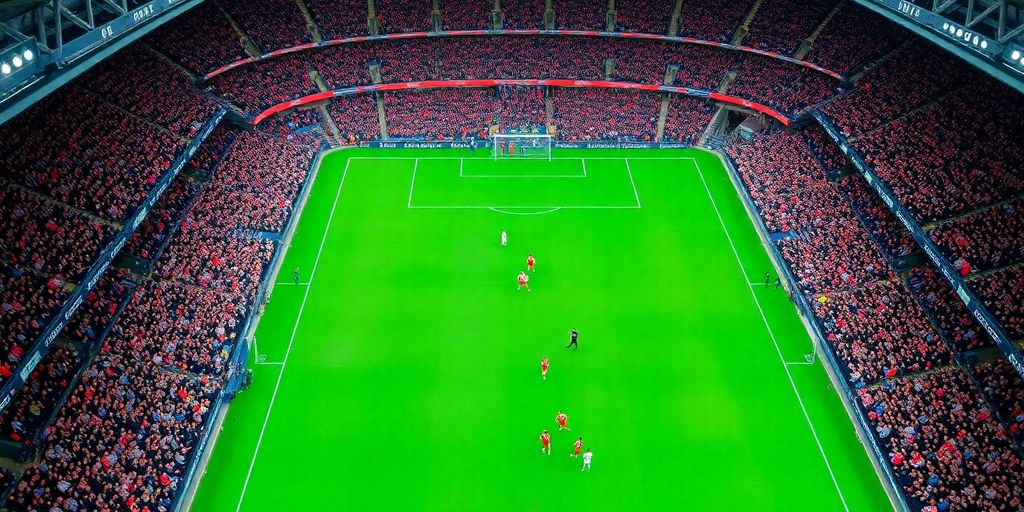
The Premier League has a significant economic impact, primarily through its lucrative television rights deals. In the 2007-10 period, TV rights were sold for £1.706 billion, and this amount increased to £1.773 billion for the 2010-13 period. The league’s ability to attract large broadcasting contracts has transformed it into one of the richest leagues in the world.
Sponsorship Deals and Commercial Success
The Premier League also benefits from various sponsorship deals, which contribute to its financial strength. Some key points include:
- Major brands invest heavily in sponsorship, enhancing the league’s visibility.
- Clubs often secure individual sponsorships that add to their revenue.
- The league’s global appeal attracts international sponsors, further boosting income.
Financial Fair Play and Cost Controls
To maintain a competitive balance, the Premier League has implemented Financial Fair Play regulations. These rules aim to ensure that clubs do not spend beyond their means. The key aspects include:
- Clubs must balance their books over a specified period.
- Excessive spending can lead to penalties, including fines or restrictions on player signings.
- The goal is to promote sustainability and fair competition among clubs.
The Premier League’s financial model has reshaped English football, making it a powerhouse in the global sports market.
Overall, the economic impact of the Premier League is profound, with broadcasting rights and sponsorships playing crucial roles in its success. The league’s financial strategies not only benefit the clubs but also enhance the overall quality of football in England.
Global Reach and Popularity
International Broadcasting and Viewership
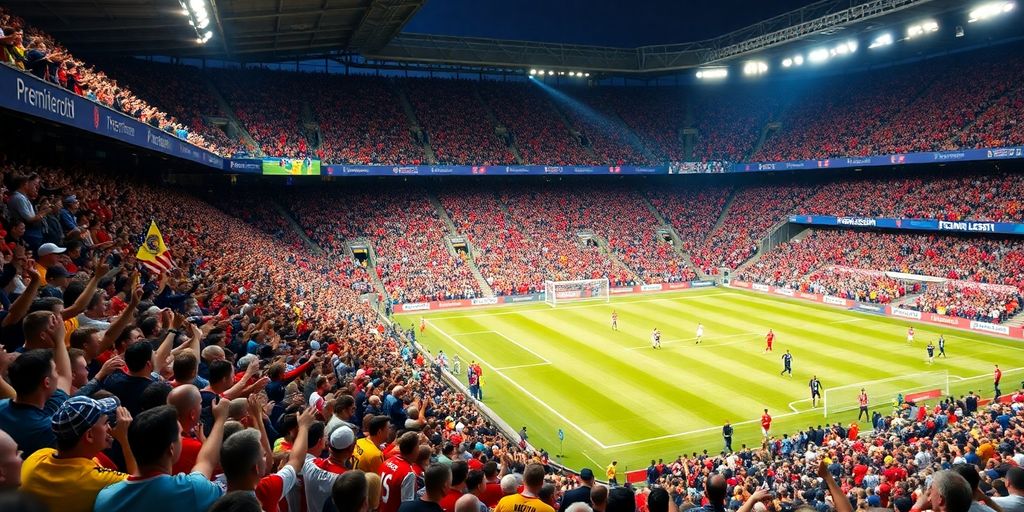
The Premier League has a massive global audience, with over 600 million viewers tuning in for matches. This makes it the most watched football league in the world, far surpassing other leagues like the NFL, which averages around 7.5 million viewers per game.
Influence of Global Players and Managers
The league attracts top talent from around the globe, including:
- Star players from Europe, Africa, and South America
- Renowned managers who have made their mark internationally
- A diverse fan base that spans multiple continents
Cultural Impact and Fan Engagement
The Premier League’s influence extends beyond just football. It has:
- Inspired local leagues and football cultures worldwide.
- Fostered a sense of community among fans through social media and events.
- Created merchandise and branding that resonates globally.
The Premier League is not just a football league; it’s a cultural phenomenon that connects millions of fans around the world.
Overall, the Premier League’s global reach and popularity continue to grow, making it a key player in the world of sports.
Premier League Clubs and Competitions
The Premier League is home to some of the most famous football clubs in the world. Since its start in 1992, fifty-one clubs have competed in the Premier League, with 49 from England and two from Wales. Here’s a closer look at the clubs and competitions:
Notable Clubs and Their Achievements
- Manchester United: 20-time champions, known for their rich history.
- Liverpool: 19-time champions, famous for their passionate fan base.
- Arsenal: 13-time champions, recognized for their attractive style of play.
Domestic and International Competitions
The Premier League clubs compete in various competitions, including:
- FA Cup: The oldest football competition in the world.
- EFL Cup: A knockout competition for English clubs.
- UEFA Champions League: The top European club competition.
Role of the Premier League in European Football
The Premier League has a significant impact on European football, as it:
- Attracts top talent from around the globe.
- Generates substantial revenue through broadcasting rights.
- Contributes to the overall competitiveness of European tournaments.
The Premier League is not just a league; it’s a global phenomenon that shapes the future of football.
With its exciting matches and high-profile clubs, the Premier League continues to be a major force in the world of football, influencing both domestic and international competitions.
Challenges and Controversies

Financial Disparities Among Clubs
The Premier League has been criticized for the financial gaps between clubs. Wealthier teams often dominate, making it hard for smaller clubs to compete. This leads to:
- Unequal resources for player acquisitions
- Limited opportunities for smaller clubs to succeed
- A less competitive league overall
Racism and Inclusivity Efforts
Racism remains a significant issue in football, including the Premier League. The league has initiated various campaigns to combat racism, but challenges persist. Key points include:
- Ongoing incidents of racial abuse
- Need for better representation in management and coaching
- Importance of fan engagement in promoting inclusivity
Impact of Global Events on the League
The Premier League is not immune to global events that can disrupt its operations. Recent challenges include:
- The COVID-19 pandemic affecting match schedules and attendance
- Economic downturns impacting club finances
- Political issues influencing player transfers and club ownership
The Premier League must adapt to changing circumstances to maintain its status as a leading football league.
In response to these challenges, premier league clubs voted to change financial rules after facing scrutiny over financial fairness. This move aims to create a more balanced competition and restore trust among fans and stakeholders.
Future Prospects of the Premier League
Potential Changes in League Structure
The Premier League may see significant changes in its structure in the coming years. Some possible adjustments include:
- Expansion of the league to include more teams.
- Introduction of a playoff system for promotion and relegation.
- Changes in the number of matches played each season.
Emerging Markets and Expansion Opportunities
The league is actively looking to tap into new markets to grow its fan base and revenue. Key areas of focus include:
- Asia: Countries like China and India are becoming increasingly important for viewership.
- North America: With four of the Premier League’s "big six" being American-owned, there is a strong push to engage fans in the U.S. and Canada.
- Africa: The league is also exploring opportunities to connect with fans in various African nations.
Sustainability and Environmental Initiatives
As the world becomes more aware of environmental issues, the Premier League is expected to adopt more sustainable practices. This could involve:
- Reducing carbon footprints of clubs and stadiums.
- Implementing green initiatives in club operations.
- Partnering with organizations focused on environmental sustainability.
The Premier League’s future will likely be shaped by its ability to adapt to changing global dynamics and fan expectations.
In summary, the Premier League is poised for growth and transformation, with a focus on expanding its reach, embracing sustainability, and possibly altering its structure to enhance competition and engagement.
Conclusion
In summary, the Premier League stands as a symbol of excellence in English football. Since its start in 1992, it has grown into the most-watched sports league worldwide, featuring 20 top clubs. Each season, teams compete fiercely from August to May, playing a total of 38 matches. The excitement of the league comes from its unique system where the best teams qualify for prestigious European tournaments, while the lowest-ranked teams face relegation. This structure keeps the competition thrilling and ensures that every match counts. The Premier League not only showcases incredible talent but also brings fans together from all corners of the globe, making it a true celebration of the sport.
Frequently Asked Questions
What is the Premier League?
The Premier League is the top professional football (soccer) league in England. It started in 1992 and features 20 teams competing to be the best in the country.
How many teams are in the Premier League?
There are 20 teams in the Premier League, making it the highest level of football in England.
Why was the Premier League created?
The Premier League was formed by clubs in the top division to increase the money made from football. This led to better stadiums, more fans, and attracting top players.
How does the Premier League season work?
During the season, each team plays every other team twice, once at home and once away. Winning a match gives a team three points, while a draw gives one point. The team with the most points at the end of the season wins the title.
What happens to teams that perform poorly?
The three teams with the lowest points at the end of the season are relegated to a lower division called the Championship, while the best teams from the Championship move up to the Premier League.
How popular is the Premier League worldwide?
The Premier League is the most-watched sports league in the world, reaching millions of homes across many countries, making it very popular globally.