
It’s pretty cool how some stadiums are being built with nature right alongside them, not just as decoration but as actual parts of the design. Think trees, rivers, even wetlands – these aren’t just obstacles anymore, they’re features. This approach is changing how we think about sports venues, making them more connected to their surroundings and, honestly, just more interesting places to be. It’s a trend that’s blending sports with the environment in some really neat ways.
Key Takeaways
- Stadiums are increasingly incorporating natural elements like trees and rivers directly into their design, moving beyond traditional construction to create unique environments.
- Integrating nature can help manage stormwater, create community green spaces, and make stadiums more sustainable overall, like at SoFi Stadium.
- Riverside locations offer chances to connect cities with their waterfronts and revitalize old industrial areas, bringing new life and economic benefits.
- Natural features can be design assets, as seen in parks with forests or tidal marshes, showing how topography and waterways can be part of the plan.
- Challenges exist in permitting and data for green solutions, but sports organizations are finding ways to be more eco-friendly, setting examples for fans and communities.
Integrating Nature into Stadium Design
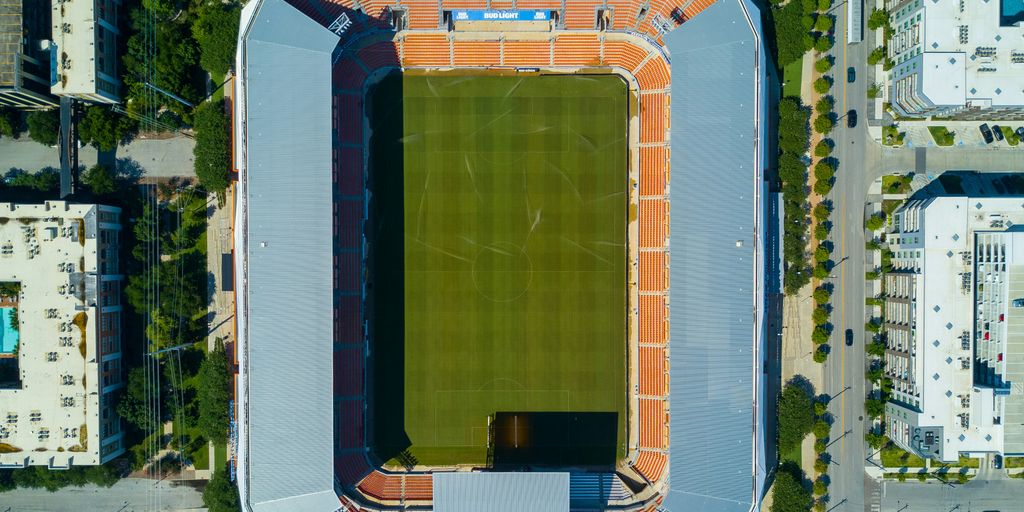
SoFi Stadium’s Landscape Architecture
SoFi Stadium really changed the game when it came to stadium design, mixing in a ton of green space and making it feel more like a park than just a sports venue. They dug the stadium way down to avoid flight paths, which left them with a lot of dirt. Instead of just hauling it away, they used it to shape the land around the stadium, creating these cool, sloping canyons that lead you into the stands. It makes the whole experience feel more natural and less like you’re just descending into a concrete hole. Plus, they planted thousands of native trees and plants, really bringing the local environment right up to the stadium’s doorstep. It’s a great example of how landscape architecture can make a huge difference in how we experience these massive structures.
Community Spaces and Greenery
Beyond just the game, SoFi Stadium is designed to be a place for everyone, all year round. They’ve got about 25 acres of open green space, which includes a big lake that’s not just for looks. This lake is a key part of their stormwater management, collecting runoff from the stadium and surrounding areas. It’s filtered naturally through wetlands and then mechanically, so they can reuse a lot of that water for irrigation. This means they can keep all those trees and plants healthy, even in dry spells. They also built a separate venue, the YouTube Theater, and a large plaza area, so there are always events happening, not just on game days. It’s all about creating a vibrant community hub that uses its green spaces effectively.
Sustainable Stormwater Management
Dealing with rainwater is a big deal, especially in places like Southern California with its unpredictable weather. SoFi Stadium tackled this head-on by making their landscape work for them. The whole site is graded to direct stormwater towards that central lake we talked about. This lake acts like a giant sponge, soaking up runoff from the stadium, parking lots, and nearby buildings. It’s a smart system that uses both natural processes, like wetlands, and some mechanical filters to clean the water. This not only prevents flooding but also provides a reliable water source for irrigating the extensive landscaping. It’s a really practical approach to sustainability in sport stadium design, showing how these venues can actually help manage water resources instead of just adding to the problem.
Riverside Stadiums and Urban Renewal
Connecting Cities to Waterfronts
Many cities have old industrial areas or forgotten waterfronts that could use a serious facelift. Building stadiums near rivers or lakes isn’t just about having a nice view; it’s a chance to bring people back to these often-neglected areas. Think about how a stadium can act as a magnet, drawing crowds and activity to a riverfront that might have been pretty quiet before. This can really help reconnect urban centers with their natural water features, making them more accessible and enjoyable for everyone. It’s about more than just sports; it’s about creating public spaces that serve the community.
Transforming Industrial Sites
Old industrial zones, especially those along rivers, are often full of history but also contain a lot of leftover materials and maybe some soil contamination. Instead of just clearing everything out, smart design can reuse these existing structures and materials. For example, old concrete walls or steel gantries can be incorporated into the new design, becoming features like overlooks or even part of the stormwater management system. This approach not only saves money but also tells a story about the site’s past. It’s a way to honor the history while creating something new and useful. We saw this happen with projects like Gas Works Park in Seattle, where old industrial equipment was left in place and turned into a park.
Economic and Social Impact of Riverfront Parks
When a stadium project includes significant public parkland along a river, the benefits can spread far beyond the game day. These areas often become popular spots for locals, hosting events, farmers’ markets, or just providing a place to relax. This increased activity can spur new businesses, like cafes and shops, in the surrounding neighborhoods. For instance, a project in Chattanooga, Tennessee, transformed a former industrial site into a wetland park and a waterfront park, which helped bring about a billion dollars in new development. It shows how integrating nature and public space can really boost the local economy and improve the quality of life for residents. It’s a win-win, creating both a great place for people and a boost for the area’s finances. The success of places like Treetop Eco-Adventure Park shows how people are drawn to well-designed outdoor spaces.
Natural Obstacles as Design Features
Zaryadye Park’s Forested Landscape
Think about Zaryadye Park in Moscow. It’s a really cool example of bringing a forest right into the city. Instead of rigid paths and formal flower beds, the idea here was to create a more natural, flowing feel. They used the park’s natural slope, moving from high ground down to the river, to create different zones. You can go from paved areas to grassy spots, and then into denser plantings that feel like a real forest. It’s designed so you can wander through it, sometimes feeling like you’ve left the city behind entirely. The buildings are mostly hidden, tucked into the landscape, which keeps the focus on the natural elements. It’s a great way to make a city space feel more wild and open.
Crissy Field’s Tidal Marsh and Airfield
Crissy Field in San Francisco offers another interesting take. It used to be an airfield, but it’s been transformed into a public park that includes a tidal marsh. This project really shows how you can bring back natural processes, like the way tides work, into an urban setting. The marshland isn’t just pretty; it helps manage stormwater and provides a home for wildlife. It’s a prime example of adaptive reuse, turning a functional, man-made space into a thriving ecological zone. The contrast between the open, grassy areas that hint at its past as an airfield and the living, breathing marsh is striking. It’s a place where you can see the city skyline and also observe birds and other creatures interacting with the natural environment.
Designing with Topography and Waterways
When you’re thinking about stadiums with natural obstacles, the lay of the land and any water features are huge. Instead of trying to flatten everything or build over it, designers can work with these elements. Imagine a stadium built into a hillside, using the natural slope for seating, or a design that incorporates a river or stream as a boundary or even a visual element. This approach can make a stadium feel more unique and connected to its surroundings. It’s about finding ways to make these natural features part of the stadium’s identity, rather than just something to work around. This can lead to more interesting architectural solutions and a better overall experience for visitors, blending the built environment with the natural world. It’s a way to create spaces that feel both grand and grounded, like the modern hardscape design that revitalizes urban areas.
Innovative Use of Natural Elements
Leveraging Existing Infrastructure
Sometimes, the most innovative approach isn’t about building something entirely new, but about seeing the potential in what’s already there. Think about old industrial sites or forgotten urban spaces. Instead of tearing everything down, designers are looking at how to repurpose these areas. This could mean turning an old factory into a community hub or using the foundations of a former building as a base for a new park. It’s about smart reuse, saving resources, and often, uncovering a place’s history. This approach connects the past with the future, creating unique spaces that have a story to tell. It’s a way to be creative without starting from scratch, making the most of what the land already offers.
Creating Wetlands and Water Features
Water is a powerful element, and incorporating it into stadium design can do more than just look nice. Think about creating artificial wetlands or managing stormwater runoff in a way that mimics natural processes. These features can help filter water, reduce flooding, and provide habitats for local wildlife. It’s a way to make the stadium a part of the local ecosystem, not just something sitting on top of it. This kind of design can also be educational, showing people how natural systems work and why they’re important. It’s a step towards more sustainable sports venues.
Adaptive Reuse of Natural Sites
This is all about working with the natural landscape, rather than against it. Imagine a stadium built into a hillside, or one that incorporates a natural river or stream into its design. Instead of flattening everything, designers are finding ways to make the existing topography and natural features part of the stadium’s character. This can lead to really interesting and unique architectural solutions. For example, a stadium might be designed to follow the curve of a river, or trees might be carefully preserved within the stadium grounds. It’s a way to create a sense of place that feels deeply connected to its surroundings. This kind of thinking can lead to truly memorable venues, like those that draw inspiration from Indigenous ecological knowledge.
Here’s a quick look at how this plays out:
- Site Integration: Designing structures that fit the existing landforms.
- Water Management: Using natural water flows and creating features like bioswales.
- Habitat Creation: Preserving or creating spaces for local plants and animals.
- Material Sourcing: Prioritizing local and recycled materials where possible.
Working with nature, rather than against it, often leads to more resilient and beautiful outcomes. It’s about finding harmony between human activity and the environment, creating spaces that are both functional and ecologically sound. This thoughtful approach respects the land and can result in venues that are truly special.
The Role of Landscape Architecture
Landscape architecture is really the secret sauce when it comes to making stadiums with natural obstacles work. It’s not just about sticking some trees around a parking lot; it’s about a whole approach to design that considers how people interact with nature and the built environment. These designers are the ones who figure out how to make a river not just a boundary, but a feature that enhances the game day experience. They think about how water flows, how plants grow, and how all of it fits into the larger picture of the community and the environment.
Creating Welcoming and Porous Spaces
Think about it: nobody wants to go to a stadium that feels like a fortress. Landscape architects work to make these places feel open and inviting. They design pathways that guide people in, using natural elements to create a sense of arrival. They also think about how the stadium connects to the surrounding area. Is it easy to walk or bike there? Does it feel like part of the neighborhood, or is it just dropped in the middle of nowhere? Making these spaces porous means they’re accessible and feel like they belong.
Balancing Natural and Cultural Resources
This is where it gets interesting, especially with existing natural features. Landscape architects have to figure out how to use what’s already there – like a riverbank or a wooded area – without messing it up. It’s a balancing act. They look at the history of a place, the local plants and animals, and the community’s needs. For example, a project might involve restoring a wetland area that also serves as a natural buffer for the stadium. It’s about respecting the past while building for the future. This kind of work is getting a lot of attention, with groups like The Cultural Landscape Foundation highlighting innovative approaches to climate change solutions.
Fostering Biodiversity and Sustainability
Beyond just looking nice, landscape architecture plays a big part in making these stadiums environmentally friendly. This means choosing plants that don’t need a ton of water, managing rainwater so it doesn’t cause problems, and creating habitats for local wildlife. It’s about making the stadium a positive addition to the ecosystem, not a drain on it. They consider things like:
- Planting native species that support local pollinators.
- Using permeable surfaces to reduce runoff.
- Creating green roofs or living walls to improve air quality and reduce heat.
- Designing systems for collecting and reusing rainwater.
It’s a big shift from just building a stadium to creating a whole environment that works with nature. This approach can lead to projects that are not only beautiful but also have a long-term positive impact on the planet and the people who use them.
Challenges and Opportunities in Stadiums with Natural Obstacles
Permitting Nature-Based Solutions
Getting the go-ahead for projects that incorporate natural elements, like wetlands or rivers, can be a real headache. Local regulations weren’t exactly written with stadiums that have built-in floodplains in mind. It often means a lot of back-and-forth with different agencies to make sure everything is safe and meets environmental standards. This can add significant time and cost to the planning phase. For instance, managing stormwater on-site, as they did at SoFi Stadium, required careful planning and approval for their constructed lake and wetland system.
Addressing Data Gaps for Sustainability
It’s tough to know if you’re really making a difference if you don’t have solid numbers. Many sports organizations talk about being green, but there’s often a lack of clear data on their actual environmental impact. Without standardized ways to measure things like carbon footprints, it’s hard to set meaningful goals or track progress. We need better ways to assess these impacts across the whole sports industry, like the approach taken by Forest Green Rovers, which is recognized as the world’s greenest football club.
Incentivizing Green Practices in Sports
Making stadiums more eco-friendly, especially those working with natural features, needs a push. Governments and sports bodies could offer more incentives, like tax breaks or grants, for using renewable energy or implementing water-saving systems. It’s not just about building green; it’s about creating a culture where sustainability is rewarded. Think about how a stadium could sell excess solar energy back to the grid, like Galatasaray Nef Stadyumu does. This makes the green choices financially sensible, not just environmentally sound. It’s about making the sustainable choice the easy and profitable choice, too.
The Future is Green and Integrated
So, it turns out stadiums don’t have to be just concrete boxes. We’ve seen how places like SoFi Stadium are weaving in trees, water features, and open parkland, making them more than just game day spots. It’s about creating spaces that feel good for people and work with nature, not against it. From managing stormwater with lakes and wetlands to using old industrial sites for new parks, the trend is clear: blending the built environment with natural elements makes places better for everyone. It’s a smart way to build, offering community benefits and a more enjoyable experience, proving that even the biggest venues can have a softer, greener footprint.
Frequently Asked Questions
What does it mean for a stadium to have natural obstacles?
Some stadiums are designed with natural elements like trees and rivers right in or around them. This can make them more beautiful and eco-friendly. For example, SoFi Stadium in California uses a lot of plants and even has a lake to help manage water. Other places, like Zaryadye Park in Moscow, have forests inside the park. These designs try to blend the stadium with nature.
Why are stadiums being designed with natural elements?
Designing stadiums with nature in mind helps in many ways. It can make the area around the stadium more pleasant for people to visit, not just for games. It also helps manage rainwater better, like at SoFi Stadium where a lake collects water. Using plants and natural features can also make the stadium cooler and more inviting.
How do stadiums near rivers help cities?
Riverside stadiums can help bring cities closer to their rivers. By cleaning up old industrial areas near rivers and turning them into parks or stadiums, cities can become more attractive. This can also boost the local economy and create nice places for people to relax and enjoy.
What is the job of a landscape architect in these projects?
Landscape architects play a big role. They figure out how to mix buildings with nature in a smart way. They choose plants that fit the area and make sure water is handled well. Their goal is to create spaces that are good for the environment, look nice, and are enjoyable for everyone.
What are some difficulties in building stadiums with natural features?
One challenge is getting permission for projects that use nature to solve problems, like managing water. Sometimes, it’s hard to know exactly how much good these ‘green’ solutions will do. Also, it can be tricky to get sports teams and companies to be truly eco-friendly instead of just saying they are.
Are there examples of stadiums using renewable energy or other green ideas?
Yes, many stadiums are finding ways to use nature. Some use solar panels, like the Galatasaray Nef Stadyumu in Turkey, to get energy. Others, like Forest Green Rovers in England, focus on using renewable energy and recycling water. These ideas show that sports venues can be much greener.