
Soccer is a sport filled with passion, and sometimes that passion spills over into how players celebrate goals. Over the years, some celebrations have caused quite a stir, leading to bans, fines, and a lot of talk. From political statements to personal tributes, these moments often become as memorable as the goals themselves. Let’s dive into some of the most controversial banned soccer celebrations and the reasons behind their prohibition.
Key Takeaways
- Certain goal celebrations have been banned in soccer due to their political or offensive nature, such as fascist or Nazi salutes.
- Provocative actions, like running to celebrate in front of opposing fans or mocking gestures, have also resulted in penalties for players.
- Celebrations that imitate drug use or make offensive gestures, like handcuffing, have led to player fines and disciplinary actions.
- Symbolic gestures, even if not overtly offensive, can cause controversy and lead to bans if they are seen as provocative or disrespectful to opponents.
- Excessive celebrations, including jumping into crowds or removing shirts, are often penalized with yellow cards, while some injuries during celebrations have had severe consequences for players.
Political Gestures Sparking Outrage
Soccer, at its heart, is a game of passion and expression. But sometimes, that expression crosses a line, especially when it veers into the political arena. These moments can ignite crowds, but they also carry significant consequences, often leading to bans and fines. It’s a tricky balance, trying to keep the game apolitical while acknowledging the very real-world identities of the players involved.
Paolo Di Canio’s Fascist Salute
In 2005, while playing for Lazio, Paolo Di Canio made a gesture that would forever be etched in football’s controversial history. After scoring, he turned to the fans and performed a straight-arm salute, a clear nod to fascist ideology. This wasn’t just a simple celebration; it was a statement that deeply divided opinion. Di Canio himself stated he was a "fascist, not a racist," but the gesture was widely condemned. FIFA rules are pretty clear on political displays, and this one landed him a suspension and a fine. It really makes you think about how players use their platform, and the impact such actions can have beyond the pitch. It’s a stark reminder of how political symbols can infiltrate even the most beloved sports, and how governing bodies like FIFA have to step in to maintain a certain neutrality, as seen in other instances like the ban of Russia.
Giorgos Katidis’s Nazi Salute
Just a few years later, in 2013, Greek footballer Giorgos Katidis committed an even more egregious act. After scoring the winning goal for AEK Athens, he made a Nazi salute towards the crowd. Katidis claimed he didn’t understand the full implications of the gesture, but the football world wasn’t having it. The fallout was severe: a hefty fine, a ban from his club for the rest of the season, and a lifetime ban from representing Greece internationally. This incident underscored the zero-tolerance policy for such hateful symbols in football. It’s a powerful example of how certain gestures are universally recognized as offensive and unacceptable, leading to swift and decisive action from sporting authorities.
Celebrations Deemed Provocative
Sometimes, a player’s excitement after scoring can cross a line, leading to controversy and penalties. These celebrations, while born from passion, often end up being seen as provocative or disrespectful.
Emmanuel Adebayor’s Run Against Former Club
In a 2009 match between Manchester City and Arsenal, Emmanuel Adebayor scored against his former team. He then ran the entire length of the pitch to celebrate directly in front of the Arsenal fans. This act earned him a yellow card and a lot of criticism. It was viewed as a deliberate attempt to taunt the supporters of the club he had recently left.
Carlos Tevez’s Mocking Chicken Imitation
Carlos Tevez, playing for Boca Juniors, once celebrated a goal against rivals River Plate by imitating a chicken. River Plate fans are often called ‘Gallinas’ (chickens) by opposing supporters, usually when their team is perceived to be faltering. Tevez’s celebration was a clear jab at the opposition fans, leading to his sending off. It was a moment that really got under the skin of the rival supporters.
These kinds of celebrations, while perhaps satisfying for the player in the moment, often create unnecessary bad blood and can escalate tensions between clubs and their fan bases. The referees are tasked with keeping the game under control, and these actions often make their job much harder.
It’s a tricky balance, isn’t it? Players want to express their joy, but there’s a fine line between celebrating a goal and provoking opponents or their fans. The rules are there to keep things fair, but sometimes they feel a bit too strict, and other times, well, players just seem to push the boundaries too far. It’s definitely something that sparks debate among fans and pundits alike, and you can see why some players face punishment for their actions.
Offensive Imitations and Tributes
Some goal celebrations cross the line from spirited expression to outright offense, leading to disciplinary action. These moments often involve players mimicking actions that are either deeply insulting or draw on controversial imagery.
Robbie Fowler’s Cocaine Snorting
In 1999, Liverpool striker Robbie Fowler celebrated a goal against Everton by getting down on all fours and appearing to snort the white chalk line of the penalty box. This was widely interpreted as a drug-related gesture, a nod to the ongoing issues with cocaine use in the city at the time. Fowler claimed he was mimicking a dog, but the Football Association wasn’t buying it. He was handed a six-match ban and a £30,000 fine. It was a pretty bold move, and honestly, a bit of a bizarre one, even if he did try to explain it away.
David Norris’s Handcuff Gesture
David Norris, playing for Ipswich Town, received a fine in 2008 for a celebration that landed him in hot water. After scoring against Blackpool, he made a handcuff gesture with his hands. This was a tribute to his former teammate Luke McCormick, who was serving a prison sentence for death by dangerous driving. While the intention was to show support, the FA deemed it inappropriate for a public celebration, especially on the pitch. It’s a tough one, because you can see the loyalty, but the context of a football match just wasn’t the right place for it. It’s a good reminder of how actions on the field can have unintended consequences, even when meant with good intentions. You can find more about unusual incidents in soccer history at effd.
Symbolic Gestures Causing Controversy
Sometimes, a player’s celebration isn’t about pure joy; it’s about sending a message, and that message can land them in a whole lot of trouble. These gestures, often symbolic, can spark outrage and lead to serious consequences, blurring the lines between passion and provocation.
Paul Gascoigne’s Flute Mimicry
Back in 1998, during a heated Old Firm derby between Rangers and Celtic, Paul Gascoigne decided to mimic playing a flute. This wasn’t just any flute playing; it was a direct reference to the flute music played by Loyalist Orange Order marchers, a group often associated with Protestantism and unionism in Northern Ireland. The gesture, made in front of the Celtic fans, who are largely Catholic and Irish nationalist, was seen as a deeply offensive political statement. Gascoigne ended up with a hefty fine from his club and even received a death threat. It really shows how a simple action can carry so much weight when it taps into deep-seated cultural and political divides.
Luis Suarez’s Controversial Handball
Luis Suarez has had his fair share of controversial moments, and one that stands out is his handball against Ghana in the 2010 World Cup. While not a traditional goal celebration, his deliberate handball in the dying moments of extra time, which prevented a certain goal and earned him a red card, was followed by a rather unusual celebration from the bench. As the resulting penalty was missed by Ghana, Suarez celebrated wildly, almost as if he’d scored himself. This act of unsportsmanlike conduct, while technically not a celebration after a goal, was a symbolic act of defiance and cunning that many found distasteful. It highlighted a moment where a player’s actions, even outside the act of scoring, could be interpreted as a provocative celebration of cheating. This incident is a prime example of how actions on the field can be perceived as celebrations of a certain kind, especially when they involve bending the rules to gain an advantage, and it certainly caused a stir in the footballing world, even leading to discussions about the spirit of the game. You can read more about the history of racism in football, which sometimes intersects with these kinds of nationalistic or political gestures, on pages like football’s racial issues.
These symbolic gestures often tap into complex histories and identities, making them far more than just a player’s spontaneous reaction. They can become flashpoints for broader societal tensions, turning a football pitch into a stage for cultural commentary, whether intended or not.
Excessive Celebrations and Their Consequences
Sometimes, the sheer excitement of scoring a goal can lead players to get a bit carried away. While it’s awesome to see that passion, there are rules in place to keep things in check. FIFA, for instance, has guidelines about what’s considered excessive.
Things like jumping into the stands or taking off your shirt can get you a yellow card. It might seem harmless, but if you’re already on a booking, that celebration could mean you’re off the pitch. It’s a tough break when a moment of joy leads to a red card!
Here are some common celebrations that often lead to trouble:
- Jumping into the crowd: This is seen as leaving the field of play without permission and can earn a booking.
- Removing the shirt: A classic, but definitely a yellow card offense. Some players try to get around it by pulling their shirt over their head, but referees aren’t always fooled.
- Pregnancy Stomachs: Players sometimes put the ball under their shirt to mimic a pregnant belly. While it might be a sweet tribute to a partner, it’s also a bookable offense.
It’s all about balancing the expression of joy with the need to maintain order and respect on the field. You see some wild celebrations throughout soccer history, and it’s interesting to look back at various goal celebrations.
The rules are there to prevent unnecessary delays and to ensure that celebrations don’t become provocative or disrespectful. It’s a fine line between showing passion and crossing a boundary.
Player Injuries During Celebrations
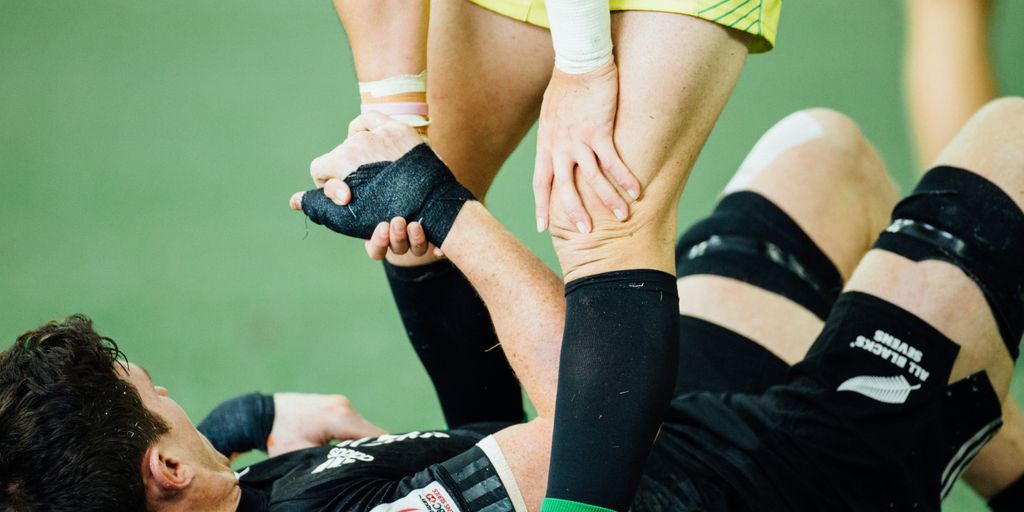
Sometimes, the sheer excitement of scoring a goal can lead to some pretty unfortunate accidents. Players get so caught up in the moment, they forget about their surroundings or try moves that are just too risky. It’s a real shame when a great goal is overshadowed by a player getting hurt.
Fabian Espindola’s Acrobatics Gone Wrong
Fabian Espindola, an Argentine striker, once scored a header and decided to celebrate with his usual acrobatic flair. Unfortunately, during his celebratory spin, he twisted his ankle badly. He ended up being sidelined for eight weeks. To add insult to injury, the goal itself was later disallowed for offside. It’s a tough break when your celebration causes more problems than the goal solves, especially when the goal doesn’t even count!
Paolo Diogo’s Severed Finger
This one is pretty grim. Back in 2004, during a match in Switzerland, Portuguese player Paolo Diogo scored and, in his excitement, decided to climb over a perimeter fence to celebrate with the fans. His wedding ring got caught in the fence, and when he pulled his hand away, a part of his finger was severed. Seriously, never wear your wedding ring while playing football. It’s a stark reminder that sometimes, the simplest actions can have the most severe consequences. You can find more about unusual football incidents on sites like GIVEMESPORT.
Peter Biaksangzuala’s Fatal Somersault
In a truly tragic event in 2014, an Indian footballer named Peter Biaksangzuala died after attempting a somersault celebration. He was trying to do a backflip, but landed incorrectly, suffering a severe spinal injury. It’s a devastating outcome that highlights the extreme dangers that can arise from overly ambitious celebrations. It really makes you think about the risks players take, even in moments of pure joy.
More Than Just a Game
So, as we’ve seen, soccer celebrations can sometimes stir up a lot of talk. From gestures that upset fans to actions that get players banned, these moments often go beyond just scoring a goal. They can reflect player emotions, cultural issues, or even just a bit of showmanship that goes too far. While the game itself is exciting, these controversial celebrations remind us that soccer is also deeply tied to how people express themselves, and sometimes, those expressions lead to big debates and consequences. It’s a reminder that even in sports, what you do after the whistle blows can matter just as much as the play itself.
Frequently Asked Questions
Why are some soccer celebrations banned?
Soccer players have been banned from celebrating goals in certain ways because the actions were seen as offensive, disrespectful, or went against the rules of the game. This could include things like making political statements, mocking opponents, or even doing dangerous stunts.
What kind of political gestures are banned?
Some players have made gestures that looked like Nazi salutes or fascist salutes. These are banned because they are linked to hate groups and are seen as very offensive and disrespectful, especially given the history of World War II.
Are celebrations that imitate drug use banned?
Yes, players have been punished for imitating drug use, like pretending to snort something. This is often seen as promoting or making light of drug use, which is not appropriate in a public sporting event.
What makes a celebration provocative or mocking?
Players might get in trouble for celebrating in a way that taunts or mocks the other team or their fans. For example, running a long distance to celebrate in front of the opposing crowd or making animal noises at them can lead to penalties.
What are the consequences of excessive celebrations?
Celebrating too wildly can lead to a yellow card, which is a warning. If a player already has a yellow card, getting another one for an excessive celebration means they are sent off the field. This includes things like taking off their shirt or jumping into the crowd.
Have players ever been hurt celebrating goals?
Sadly, some players have been seriously injured, and in one case, even died, while attempting dangerous celebrations like flips or climbing fences. Soccer’s rules try to prevent players from harming themselves or others during goal celebrations.