
Youth soccer training is essential for developing young players’ skills and fostering a love for the game. This article covers key training techniques that help players master the fundamentals of soccer while keeping the experience enjoyable. From ball control to teamwork, these methods are designed to enhance skills and build confidence on the field.
Key Takeaways
- Focus on mastering ball control techniques to enhance dribbling and shielding skills.
- Practice passing with different techniques to improve accuracy and teamwork.
- Incorporate shooting drills that emphasize power and precision under pressure.
- Teach defensive strategies that include tackling and positioning to strengthen team defense.
- Make training fun with engaging drills that keep players motivated and active.
Mastering Ball Control Techniques
Dribbling with Precision
Dribbling’s like dancing with the ball. You gotta keep it close and controlled. Precision dribbling means weaving through defenders like they’re cones. Try practicing with this drill where you set up cones and dribble through ’em. Keep your eyes up, use the inside and outside of your feet, and stay light on your toes.
Using Both Feet Effectively
Alright, so using both feet is super important. Most folks favor one foot, but if you can use both, you’re ahead of the game. Start with simple drills, like passing against a wall, using your weaker foot. It feels awkward at first, but practice makes it natural. Think of it like learning to write with your other hand. Weird, but worth it.
Shielding the Ball from Opponents
Shielding’s all about keeping the ball safe from those pesky opponents. Use your body as a barrier, keep your back to the defender, and use your arms for balance. It’s like playing keep-away but with more strategy. Practice by having a friend try to steal the ball while you protect it. Remember, keep your body between the ball and the defender, and you’ll be golden.
“In soccer, mastering the art of ball control can be the difference between a good player and a great one. It’s about practice, patience, and a bit of flair.”
Developing Essential Passing Skills
Passing’s like the bread and butter of soccer, right? Great teams know how to pass well, and it’s something every young player should get the hang of. Mastering passing means you can move the ball around the field with ease, setting up plays and keeping the game flowing. Let’s dive into some key areas to focus on.
Short Passes and Long Passes
Short passes are all about precision and control. You want the ball to go just where you aim it, not too far ahead or behind your teammate. Try using the inside of your foot for better accuracy. Long passes, on the other hand, need a bit more power. You’re looking to send the ball across the field, maybe to switch play or find a player making a run. Practice both to get a feel for when to use each type of pass.
One-Touch Passing Drills
One-touch passing is a game-changer. It’s quick, keeps the defense on their toes, and helps maintain the rhythm of the game. Set up drills where players have to pass without taking a touch to control the ball first. This helps improve decision-making and speed on the ball.
Improving Passing Accuracy
Accuracy in passing is super important. You want your passes to hit the target every time. Focus on positioning your non-kicking foot next to the ball and aiming your body towards your target. Think about the weight of the pass too—not too soft, not too hard. Practice makes perfect, so keep at it until it becomes second nature.
Remember, passing isn’t just about moving the ball. It’s about teamwork and setting up opportunities. Keep practicing, and soon you’ll see the difference it makes on the field.
Enhancing Shooting Abilities
Shooting with Power and Accuracy
Alright, so when it comes to shooting, it’s not just about kicking the ball as hard as you can. You gotta think about where you want it to go. Aim is key. Try practicing shots using both the inside of your foot and your laces. Each gives a different power and spin. Set up cones at different spots around the goal and practice hitting them. It’s all about getting that ball to go where you want it.
Finishing Under Pressure
When you’re in a game, there’s always pressure. You’ve got defenders coming at you, and you need to keep your cool. One way to practice this is to set up scenarios where you have limited time to shoot. Maybe have a buddy act as a defender, or use a timer. The goal is to get comfortable shooting even when you’ve got folks breathing down your neck.
Volleys and Half-Volleys
These are a bit trickier but super useful. A volley is when you hit the ball before it hits the ground, and a half-volley is when you hit it just after it bounces. Both require timing and a bit of courage. Start simple: have someone toss the ball to you and try to hit it mid-air. Once you get that down, try mixing it up with bounces and different angles. It’s all about getting used to the unpredictability of the ball’s movement.
“Practicing different shooting techniques not only improves your game but also boosts your confidence on the field.”
If you’re looking to explore various drills and tips designed to help U12 players enhance their shooting skills, there are plenty of resources that can guide you through the process.
Building Defensive Strategies
Defensive strategies in soccer are all about keeping the other team from scoring. It’s not just about kicking the ball away but doing it smartly. Let’s dive into some key techniques.
Tackling Techniques
Tackling is more than just charging at the player with the ball. It’s about timing and precision. Here’s how you can improve:
- Stay low: Keep your center of gravity low to maintain balance.
- Jockeying: Guide the attacker into less dangerous areas without committing too soon.
- Timing is everything: Wait for the right moment to make your move.
Positioning and Awareness
Being in the right place at the right time can make all the difference. Here’s what to focus on:
- Anticipate the play: Watch the ball and the players to predict what might happen next.
- Stay between the ball and the goal: This basic rule keeps your team safe.
- Communicate with teammates: Let them know where you are and what you see.
Interceptions and Blocking
Intercepting passes and blocking shots are crucial skills. Here’s how to get better at them:
- Read the game: Understand the opponent’s next move.
- Quick reflexes: Be ready to move fast and cut off passes.
- Use your body: Sometimes blocking a shot is about being in the right spot at the right time.
“Defense isn’t just about stopping goals, it’s about making the opponent work harder for every inch.”
These strategies not only protect your goal but also set up opportunities for counter-attacks. Remember, a strong defense can be the best offense!
Improving Physical Fitness for Soccer
Endurance Training
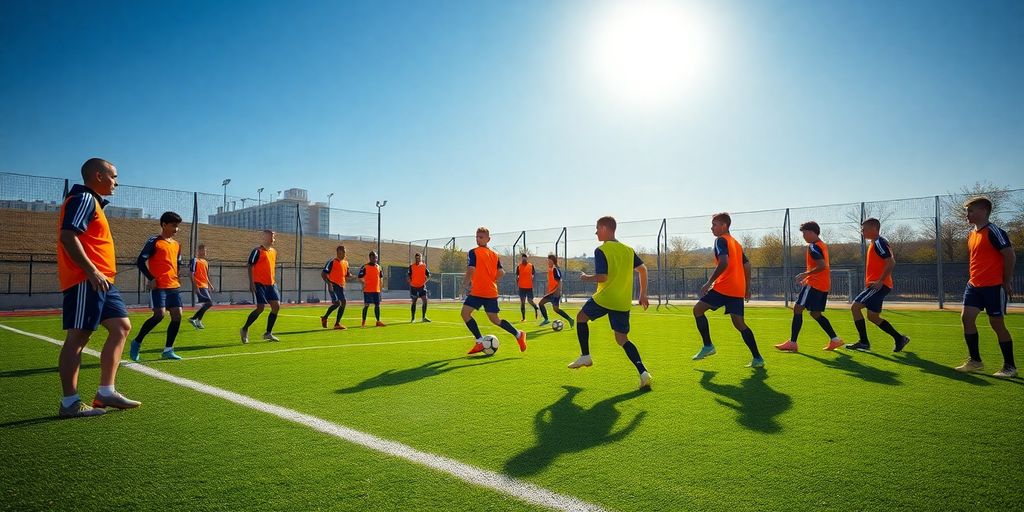
Building endurance is like the backbone of soccer fitness. It’s about being able to run up and down the field without getting too tired. Start with long, slow runs to build a base, then mix in some shorter, faster runs. Try:
- Long Runs: Aim for 20-30 minutes at a steady pace.
- Interval Training: Alternate between sprinting and walking.
- Hill Runs: Find a hill and run up it. Walk back down to catch your breath.
Soccer players cover a lot of ground, often running several miles in a game. Building endurance helps them keep up the pace and stay effective throughout the match.
Speed and Agility Drills
Speed and agility are what let you dodge opponents and get to the ball first. Here’s how to get faster:
- Sprints: Short bursts of speed, like running to a cone and back.
- Cone Drills: Set up cones in a zigzag and weave through them.
- Ladder Drills: Use a speed ladder to practice quick foot movements.
Strength and Conditioning Exercises
Strength training isn’t just for bodybuilders. Soccer players need it too, to hold their ground and avoid injuries. Focus on:
- Bodyweight Exercises: Push-ups, squats, and lunges are great.
- Core Workouts: Planks and sit-ups help with balance and stability.
- Resistance Training: Use bands or light weights for added challenge.
Remember, keeping fit isn’t just about running. It’s about a mix of endurance, speed, and strength. Get these right, and you’ll be a force on the field.
Fostering Teamwork and Communication
Effective Communication on the Field
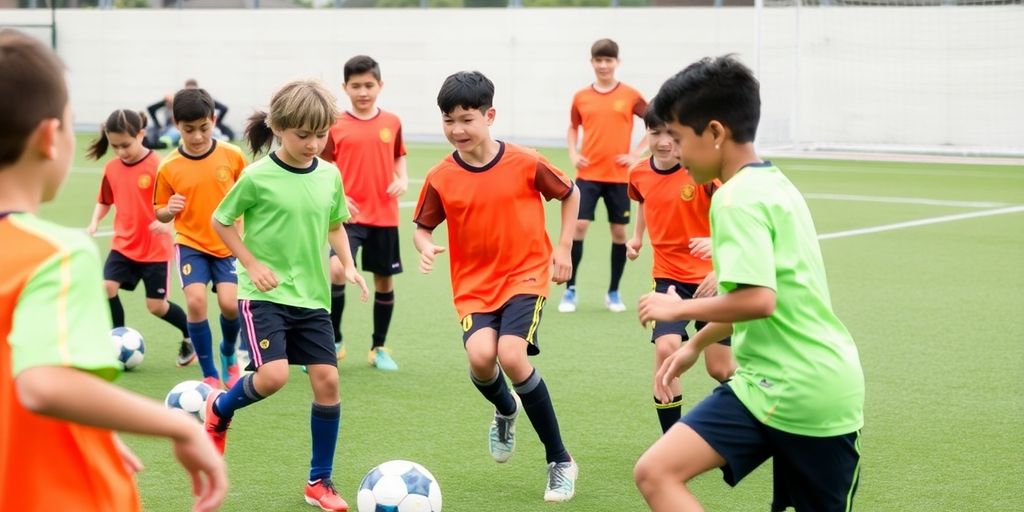
So, when it comes to soccer, talking it out on the field is a big deal. Players need to chat with each other to keep things flowing smoothly. It’s like a dance, but with more sweat and shouting. Here’s how you can make it work:
- Use simple words: Keep it short and sweet. Like, “man on” or “switch.”
- Be loud but clear: Make sure your teammates hear you, but don’t just yell for the sake of it.
- Stay positive: Encourage each other. A little “nice pass” or “good try” goes a long way.
Understanding Team Dynamics
Getting the team to work together is like herding cats sometimes, but it’s possible. Understanding how everyone ticks can make a huge difference. Here’s what helps:
- Know your role: Everyone’s got a job on the field. Stick to it.
- Trust your teammates: Believe they’ll do their part. It’s not a one-man show.
- Adaptability is key: Be ready to switch things up if the game changes.
Building Trust Among Teammates
Trust is like the glue that holds a team together. Without it, things fall apart. Here’s how to build it:
- Be reliable: Show up, play hard, and be consistent.
- Have each other’s backs: Support your teammates, win or lose.
- Communicate openly: Share thoughts and listen. It’s a two-way street.
Building a strong team isn’t just about skills; it’s about connection. When players trust each other and communicate well, they play better together. It’s not just about winning games, but enjoying them too.
Incorporating Fun and Engaging Drills

Game-Like Practice Sessions
Alright, let’s dive into making practice fun and game-like. Kids love playing games, right? So, why not make practice feel like a game? Game-like sessions not only keep the energy up but also help players learn real-life scenarios. Think of it as a mini-match where players get to try out their skills in a fun setting.
Creative Drills for Skill Development
Getting creative with drills is where the magic happens. You can set up a zig-zag pattern with cones and have players weave through them. It’s like a dance with the ball, improving agility and control. Or, try the ‘Wolf Tail’ game, where each player tucks a pinney in their shorts and tries to grab others’ tails. This not only works on speed but also keeps everyone laughing.
Keeping Players Motivated and Engaged
Keeping the kids motivated is key. Mix up the drills, keep them short and sweet, and always throw in a new challenge. Kids get bored fast, so keep them on their toes. Also, a little friendly competition never hurts. Divide them into teams and let them compete in mini-games. It builds excitement and teamwork.
“The best practices are those where kids leave with a smile, having learned something new without even realizing it.”
Using these fun and engaging drills, you’ll see improvement in skills and team spirit. It’s all about making learning enjoyable and memorable.
Wrapping Up Youth Soccer Training Techniques
In conclusion, mastering the right training techniques is crucial for young soccer players. By focusing on skills like running, passing, and teamwork, coaches can help kids enjoy the game while improving their abilities. Remember, the goal is to make practice fun and engaging. When players are excited about learning, they are more likely to stick with the sport. So, keep the drills lively and encourage creativity on the field. With dedication and the right approach, young athletes can develop a love for soccer that lasts a lifetime.
Frequently Asked Questions
What are some basic soccer skills every young player should learn?
Young players should focus on basic skills like dribbling, passing, and shooting. Mastering these skills helps them enjoy the game more and play better.
How can I improve my ball control?
To improve ball control, practice using different parts of your foot to touch the ball. Dribbling and juggling are great exercises for this.
What drills can help with passing accuracy?
Try practicing short and long passes with a partner. One-touch passing drills can also help improve accuracy and speed.
How important is physical fitness in soccer?
Physical fitness is very important in soccer. Players need to build endurance, speed, and strength to perform well during games.
How can I keep practices fun for kids?
Incorporate games and fun drills into practices. Keeping things exciting helps kids stay engaged and enjoy soccer.
What should I focus on as a beginner coach?
As a beginner coach, focus on making practices enjoyable, teaching basic skills, and getting to know your players to support their growth.