
Women’s soccer has seen incredible growth over the years, overcoming many obstacles to reach where it is today. As more people recognize its value, the sport continues to inspire young girls and women around the world. This article explores the journey of women’s soccer from its early days to its bright future, highlighting key moments and influences along the way.
Key Takeaways
- Women’s soccer has evolved significantly from its early days, facing and overcoming many challenges.
- Major tournaments like the FIFA Women’s World Cup have played a big role in increasing the sport’s popularity.
- Media coverage, including TV and social media, has helped promote women’s soccer to a wider audience.
- Grassroots programs and youth initiatives are essential for developing future talent in women’s soccer.
- Despite progress, challenges like pay gaps and cultural barriers still need to be addressed.
Historical Evolution of Women’s Soccer
Early Beginnings and Challenges
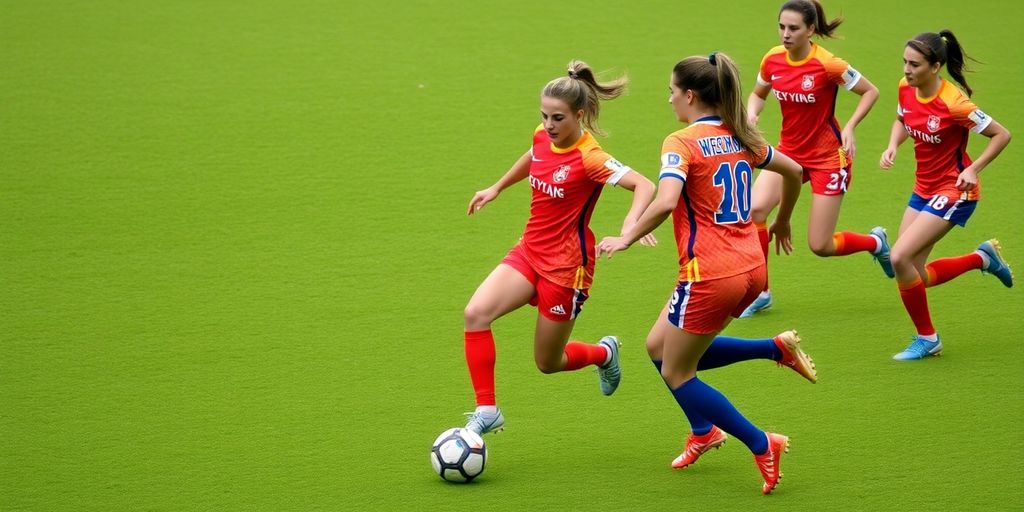
So, women’s soccer kicked off way back, but it wasn’t all smooth sailing. In the early days, women had to fight just to get on the field. There were tons of hurdles, like social norms that said, "Nah, soccer’s not for girls." It was tough. Women faced bans and even ridicule. But they didn’t back down. They kept pushing for a spot in the game.
Pioneering Leagues and Tournaments
Eventually, things started to change. Pioneering leagues popped up, and tournaments began to take shape. The first women’s leagues were small, but they were a big deal. They set the stage for bigger things. Teams started to compete, and the game got more organized. These early leagues were the backbone of what’s now a global sport.
Recognition by Major Soccer Organizations
Finally, the big soccer organizations started to pay attention. FIFA and other major bodies began recognizing women’s soccer. This was huge. It meant more support, more funding, and a chance to play on the world stage. Women’s soccer was no longer just a side show; it was becoming a main event.
The journey of women’s soccer from the sidelines to the spotlight shows just how determined and passionate these athletes are. They’ve changed the game forever, paving the way for future generations.
Impact of Major Tournaments on Women’s Soccer
FIFA Women’s World Cup
The FIFA Women’s World Cup, man, it’s like the Super Bowl of women’s soccer. Every four years, teams from all over the world come together to battle it out on the field. This tournament has really put women’s soccer on the map, drawing huge crowds and even bigger TV audiences. It’s not just about winning; it’s about showing the world what these athletes can do.
Olympic Games Influence
The Olympics have been a game-changer for women’s soccer. Since it became an official event in 1996, the sport’s popularity has skyrocketed. Fans get to see top-tier teams and players competing for the gold, which is super exciting. The exposure from the Olympics has helped boost the sport’s profile and inspire a new generation of players.
Regional Championships
Regional championships, like the UEFA Women’s Championship or the Copa América Femenina, are also big deals. They give teams a chance to shine on a smaller stage and build up their skills. These tournaments are crucial for developing talent and giving players a taste of international competition.
Major tournaments have been a driving force in growing women’s soccer, helping to break down barriers and build a strong fanbase worldwide.
Role of Media in Promoting Women’s Soccer
Television and Broadcasting Milestones
Television’s been a game-changer for women’s soccer. Back in the day, hardly anyone knew about these matches. But now, you can catch them on major networks. Broadcasting matches live has brought the sport into homes all over the world. This visibility has made it easier for fans to follow their favorite teams and players. It’s like, if you can see it, you can be it, right?
Social Media and Online Platforms
Social media’s like the wild west of promotion. Platforms like Instagram and Twitter give players a voice and a way to connect with fans directly. You see real-time updates, behind-the-scenes stuff, and all that jazz. It’s not just about the game anymore, it’s about the story behind the game. This connection can inspire young athletes to get involved and stay engaged.
Sponsorship and Advertising Campaigns
Brands are jumping on the women’s soccer bandwagon, and it’s about time. Sponsorships bring in the money needed to support teams and players. You see players in ads, wearing cool gear, and suddenly, they’re household names. It’s a win-win. More money means better facilities and more opportunities for players to shine.
Media coverage of women’s sports is crucial for inspiring young athletes and increasing participation. By showcasing female role models, visibility in sports can motivate future generations to pursue their ambitions and engage with the sport.
- Television and online platforms have increased the visibility of women’s soccer.
- Social media allows for direct connection between players and fans.
- Sponsorships help fund the sport and promote players as role models.
Check out how media coverage of women’s sports is crucial for inspiring young athletes and increasing participation.
Grassroots Development and Youth Programs
Community Initiatives and Local Clubs
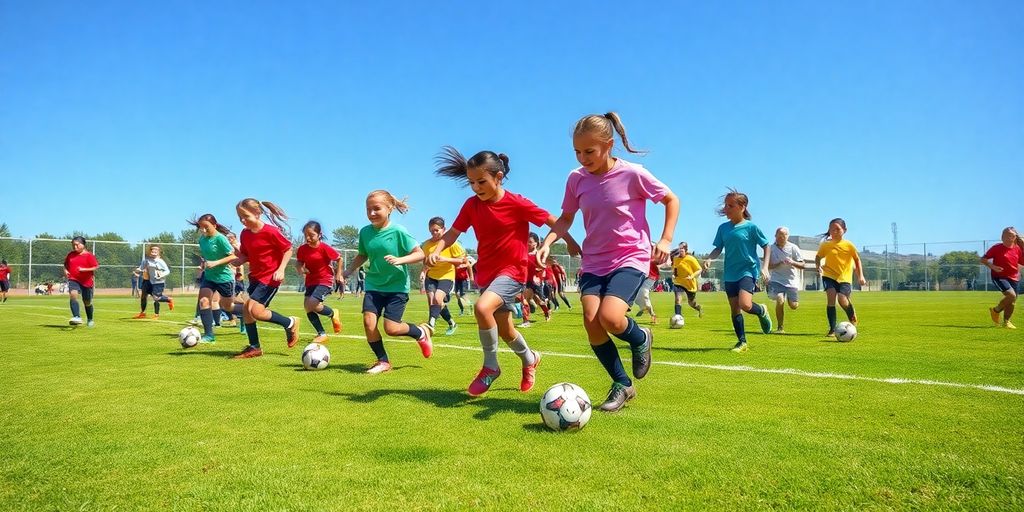
So, let’s talk about where it all starts. Community initiatives and local clubs are the backbone of women’s soccer. They bring people together, creating a space for young girls to kick a ball around and dream big. It’s not just about playing; it’s about building friendships and learning teamwork. These clubs are everywhere, and they make soccer accessible to everyone, regardless of background or skill level.
- Local clubs provide a safe environment for girls to play.
- They help in developing basic soccer skills and techniques.
- They offer a platform for girls to compete and showcase their talent.
School and College Soccer Programs
Schools and colleges play a huge role in promoting women’s soccer. They offer structured programs that help young athletes grow. These programs are not just about playing; they’re about education, discipline, and personal growth. Schools and colleges give students the chance to balance academics with sports, preparing them for the future.
- High school teams help girls develop competitive skills.
- College scholarships make soccer accessible to more students.
- These programs often lead to professional opportunities.
International Youth Competitions
International youth competitions are like the cherry on top. They provide young players with exposure to the global stage. Competing internationally is a big deal. It helps players understand different playing styles and cultures. Plus, it’s a chance to make new friends from around the world. These competitions are crucial for personal and professional growth in soccer.
"Seeing young athletes compete on an international level is inspiring. It shows how far women’s soccer has come and the potential it has for the future."
Overall, grassroots development and youth programs are the foundation of women’s soccer. They nurture talent and provide opportunities for young girls to shine. With the support of The Girls Academy, these programs continue to grow and evolve, paving the way for the next generation of soccer stars.
Challenges and Opportunities in Women’s Soccer
Gender Equality and Pay Disparity
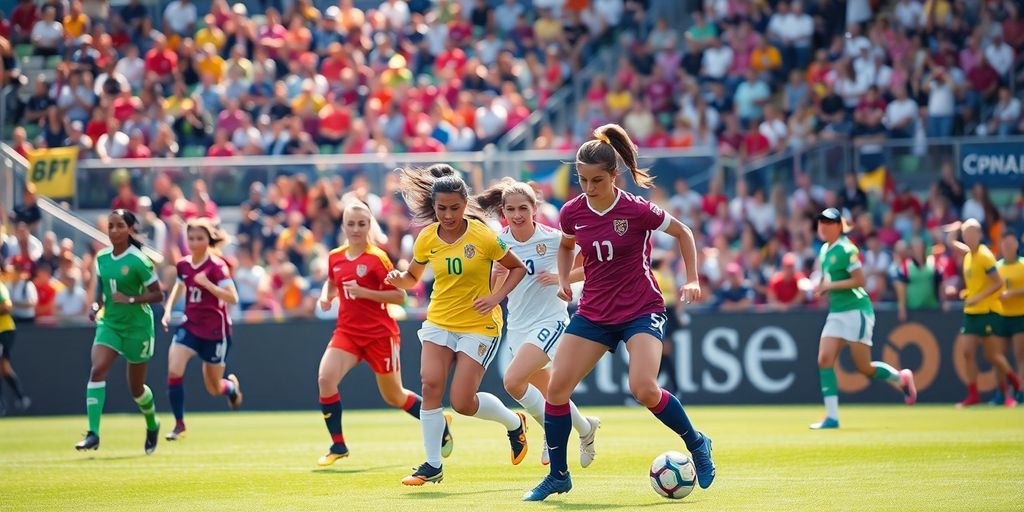
Alright, let’s talk about something that’s been making headlines for a while now. The pay gap between male and female soccer players is still a big issue. It’s like comparing apples and oranges, but really, it shouldn’t be. Women in soccer are fighting for equal pay, and it’s not just about the money. It’s about respect and recognition. People are starting to pay attention, but there’s still a long way to go.
Investment and Infrastructure Needs
So, here’s the thing. Women’s soccer needs more investment. We’re talking about better facilities, more funding, and just overall support. Imagine trying to play on a field that’s more dirt than grass. Not fun, right? More money and better infrastructure could really help the sport grow. It’s not just about throwing money at the problem, though. It’s about smart investments that actually make a difference.
Cultural and Societal Barriers
Let’s be real. There are still cultural and societal barriers that make it tough for women in soccer. In some places, people just don’t take women’s sports seriously. It’s a mindset thing, and changing that takes time. But hey, every little step counts. More awareness, more support, and more opportunities can help break down these barriers.
Women’s soccer is on the rise, but it’s not without its hurdles. With more support and recognition, it has the potential to reach new heights. The journey might be tough, but the destination is worth it.
And hey, Emma Hayes is doing her part to make a difference. She’s all about creating more opportunities for women in the sport. Her leadership is inspiring, and it shows that change is happening, even if it’s slow.
Influence of Iconic Players and Coaches
Trailblazing Athletes and Their Stories
Some players just change the game, you know? Like, take Marta for example. She’s a legend in women’s soccer, inspiring countless players in the NWSL. Her skills on the field are unmatched, and her off-field presence? Just as powerful. Marta’s been chasing that elusive championship with Orlando Pride, and her legacy keeps motivating others in the sport. Her influence is huge, and she’s not done yet.
Coaching Legends and Their Impact
Coaches can make or break a team, right? The great ones not only teach skills but also inspire their players to reach new heights. They create strategies that change how the game is played and build teams that leave a mark on history. Their impact goes beyond the pitch, shaping the future of the sport.
Role Models Inspiring Future Generations
Role models are important. They show young players what’s possible and encourage them to dream big. These icons, whether players or coaches, give hope and inspiration to the next generation. They prove that with hard work and dedication, anything is possible in women’s soccer.
Women’s soccer has been shaped by those who dared to dream and act. Their stories continue to inspire future generations, proving that the sport is not just about playing but also about breaking barriers and building legacies.
Future Prospects for Women’s Soccer
Technological Innovations and Advancements
So, tech is really shaking things up in women’s soccer. We got stuff like VAR (Video Assistant Referee) making the game fairer, even if it’s kinda annoying sometimes. Then there’s wearable tech, like those GPS trackers that let coaches know how far a player runs and stuff. These gadgets are changing how teams train and play. And let’s not forget about virtual reality training. Imagine practicing your shots in a virtual stadium!
Expansion of Professional Leagues
Women’s soccer leagues are popping up everywhere. More countries are starting their own leagues, and the existing ones are getting bigger and better. The National Women’s Soccer League (NWSL) in the U.S. is growing like crazy, and Europe’s leagues are getting more competitive too. Here’s a quick look at some leagues:
- NWSL: Growing fast with new teams
- FA Women’s Super League: Getting more attention
- Division 1 Féminine: Stronger competition
Globalization and Market Growth
Soccer is the world’s game, and women’s soccer is catching up. More global tournaments mean more eyes on the sport. Countries that never really cared about women’s soccer are starting to get into it. This means more fans, more money, and more opportunities for players.
"With the world paying more attention, women’s soccer is set to become a major player in the sports scene. It’s not just about playing the game; it’s about growing the game."
And hey, with young talents training hard, like those USWNT hopefuls in California, the future looks bright. They’re gearing up to make a splash in upcoming tournaments, and who knows, maybe one of them will be the next big star.
Conclusion
In conclusion, women’s soccer has come a long way and is growing rapidly all over the world. More girls are playing the game, and fans are showing their support like never before. With more tournaments and better opportunities, the future looks bright for women in soccer. This sport is not just about playing; it’s about breaking barriers and inspiring young girls everywhere to chase their dreams. As we continue to cheer for our favorite teams and players, we also celebrate the progress that has been made and look forward to even more growth in the years to come.
Frequently Asked Questions
What is the history of women’s soccer?
Women’s soccer has a long history that started in the late 19th century. Women began playing soccer in Britain, but they faced many challenges, including not being taken seriously. Over time, more teams and leagues were formed, leading to greater recognition.
How has the FIFA Women’s World Cup changed women’s soccer?
The FIFA Women’s World Cup, first held in 1991, has greatly helped women’s soccer grow. It brings together the best teams from around the world and showcases the talent of female players, helping to gain more fans and support for the sport.
Why is media important for women’s soccer?
Media plays a big role in promoting women’s soccer. With more games being shown on TV and shared on social media, more people can see women’s matches. This helps attract new fans and encourages young girls to play the sport.
What are grassroots programs in women’s soccer?
Grassroots programs are local efforts to get more girls and women involved in soccer. These can include community clubs, school teams, and youth competitions that help develop skills and passion for the game.
What challenges do women face in soccer today?
Women in soccer still face challenges like pay gaps compared to men, lack of funding, and cultural attitudes that may not support female athletes. These issues can make it harder for women to succeed in the sport.
Who are some famous female soccer players?
There are many famous female soccer players, like Mia Hamm, Abby Wambach, and Alex Morgan. These athletes have not only excelled in their sport but also inspired many young girls to pursue soccer.