
Soccer jerseys, they’re more than just a piece of sportswear. Over the years, they’ve become a part of the culture, a symbol of pride, and a way for fans to show their love for the game. From the early days of plain shirts and trousers to today’s high-tech, eco-friendly kits, soccer jerseys have a rich history and a bright future. Let’s dive into the world of famous soccer jerseys and the stories behind them.
Key Takeaways
- Soccer jerseys started out as simple garments but have evolved into high-tech sportswear.
- Iconic club jerseys like Real Madrid’s all-white kit have fascinating histories.
- Modern jerseys use technology to enhance performance and sustainability.
- Cultural influences play a big role in the design of soccer jerseys.
- The future of soccer jerseys includes innovations like smart fabrics and virtual reality.
The Evolution of Soccer Jerseys Through the Decades
Victorian Era Beginnings
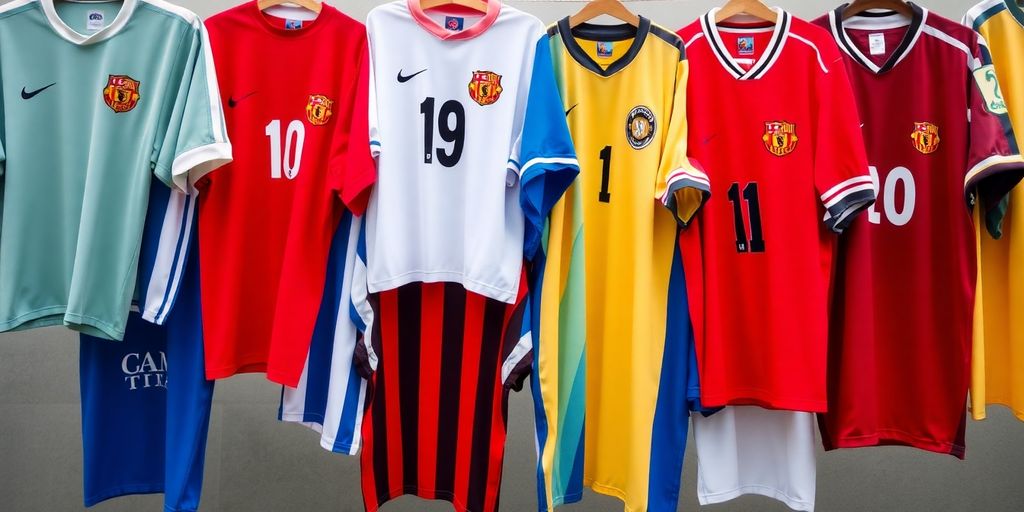
Back in the late 19th century, soccer jerseys weren’t really jerseys at all. Players wore long trousers and plain white shirts, with colorful scarves or caps to show team affiliation. Imagine trying to play while keeping a cap on your head! During the first international match between England and Scotland in 1872, teams were only distinguished by headwear. It wasn’t until the 1870s that teams started wearing more uniform outfits, often in colors tied to their schools or clubs. The journey of soccer jerseys truly began here, setting the stage for their evolution into symbols of pride and identity.
Early 20th Century Developments
As we moved into the 1900s, jerseys began to take shape, literally. Made from heavy cotton, these early uniforms were durable but not ideal for movement, especially in bad weather. Players often had to deal with soaked shirts on rainy days. By the 1920s, teams started adding numbers to jerseys, helping fans and referees easily identify players on the field. This era marked the transition from simple garments to more recognizable jerseys, though they remained quite basic with solid colors and long sleeves.
Mid-20th Century Innovations
The 1950s introduced the "continental style," making jerseys more tailored and fashionable. Clubs like Real Madrid adopted iconic all-white kits, and for the first time, jerseys featured club badges, adding a bit of flair. By the 1960s and 1970s, synthetic fabrics like polyester changed the game. Jerseys became lighter and more breathable, a welcome change from sweat-heavy cotton shirts. This period also saw the rise of commercialization, with brands like Nike, Adidas, and Puma stepping in. Sponsorship logos began appearing on shirts, transforming jerseys into marketing tools as well as team identifiers. Synthetic fabrics revolutionized soccer jerseys, making them more comfortable and functional for players.
Iconic Club Jerseys and Their Stories

Real Madrid’s All-White Legacy
Real Madrid’s all-white kit is more than just a uniform; it’s a symbol of the club’s prestigious history and dominance in European soccer. The choice of white dates back to the club’s early days, inspired by the London Corinthians, a team admired for their sportsmanship and style. Real Madrid’s all-white look has become synonymous with their identity, representing purity and elegance on the field. Over the years, this simple yet powerful design has witnessed countless victories and unforgettable moments, becoming a timeless classic in the world of soccer.
Barcelona’s Blaugrana Stripes
The vibrant blaugrana stripes of FC Barcelona’s jersey are instantly recognizable and carry deep cultural significance. The red and blue colors are said to have been chosen by the club’s founder, Joan Gamper, possibly inspired by the Swiss club FC Basel, where he played. These colors have come to symbolize Barcelona’s bold and attacking style of play. The jersey is not just about aesthetics; it’s a representation of Catalan pride and identity, making it a powerful statement both on and off the pitch.
Manchester United’s Red Devils
Manchester United’s red jersey is iconic in its own right, earning them the nickname "Red Devils." The club adopted the red kit in 1902, moving away from their original green and gold colors. The bold red has come to represent the club’s fiery spirit and resilience. Over the decades, the jersey has seen numerous designs, but the red color remains a constant, reminding fans of the club’s rich history and tradition. The jersey is a symbol of passion, with the club’s crest proudly displayed, embodying the pride and loyalty of Manchester United supporters worldwide.
Soccer jerseys are more than just fabric; they tell stories of triumph, culture, and identity. These iconic jerseys not only define the teams but also connect deeply with fans, creating a shared legacy that transcends generations. Explore the origins of these iconic jerseys and discover their significance in the sport’s history.
The Role of Technology in Modern Soccer Jerseys
High-Tech Fabrics and Performance
Soccer jerseys have come a long way from the heavy cotton shirts of the early 20th century. Today, they’re crafted from high-tech synthetic materials that do more than just cover a player’s back. These fabrics are designed to wick away sweat, regulate body temperature, and even improve athletic performance. Modern jerseys are essentially pieces of wearable technology, engineered to give players an edge on the field. This shift to high-performance materials started in the late 20th century and has only accelerated with advances in fabric technology.
Sustainability and Eco-Friendly Materials
In recent years, the soccer industry has embraced sustainability, reflecting a broader trend across sports. Many brands now focus on creating jerseys from recycled and eco-friendly materials. This move not only helps reduce environmental impact but also aligns with the growing consumer demand for green products. Teams like Ajax have even used their jerseys to pay homage to cultural icons, like their Bob Marley-inspired third kit, showing that sustainability can go hand-in-hand with creativity.
Smart Jerseys and Wearable Tech
The future of soccer jerseys is looking increasingly digital. Smart jerseys equipped with sensors and other tech are starting to make an appearance. These jerseys can monitor player performance, track stats, and even provide real-time feedback. While still in the early stages, this technology promises to revolutionize how teams train and play. Imagine a jersey that not only represents a team’s colors but also acts as a personal coach, offering insights into a player’s game.
Cultural Influences on Soccer Jersey Designs
Soccer jerseys have transformed from basic, functional garments into symbols of pride, sponsorship, and fashion as the game has evolved. Soccer jerseys have transformed from basic, functional garments into symbols of pride, sponsorship, and fashion as the game has evolved.
Homage to Local Traditions
Soccer jerseys often pay tribute to the rich traditions and cultural heritage of the regions they represent. Clubs frequently draw inspiration from local symbols, folklore, and historical elements to create unique and meaningful designs. For instance, many South American teams incorporate indigenous patterns and colors, reflecting the vibrant cultural tapestry of their countries. This connection not only fosters a sense of identity among fans but also strengthens the bond between the club and its community. Incorporating local elements into jersey design creates a visual narrative that resonates deeply with supporters.
Music and Art Inspirations
The worlds of music and art have left their mark on soccer jerseys, with some clubs drawing inspiration from iconic artists and musicians. These influences can be seen in bold patterns, striking color combinations, and even subtle nods to famous artworks. A notable example is Ajax’s third kit for the 2021-2022 season, which paid homage to reggae legend Bob Marley. Such designs celebrate the intersection of sports and culture, highlighting how jerseys can become canvases for artistic expression. This fusion of creativity and sport not only captures the imagination of fans but also broadens the appeal of soccer apparel.
Globalization and Cultural Exchange
As soccer has become a global phenomenon, jerseys have evolved to reflect the diverse influences of different cultures. Globalization has brought about a fusion of styles and ideas, resulting in jerseys that blend traditional elements with modern aesthetics. This cultural exchange is evident in the use of international symbols, languages, and motifs on jerseys. For example, some clubs have adopted designs that feature calligraphy or patterns from different parts of the world, symbolizing unity and diversity. Globalization has thus transformed soccer jerseys into multicultural emblems, celebrating the sport’s universal appeal and the interconnectedness of its fans.
The Commercialization of Soccer Jerseys
Sponsorship and Branding
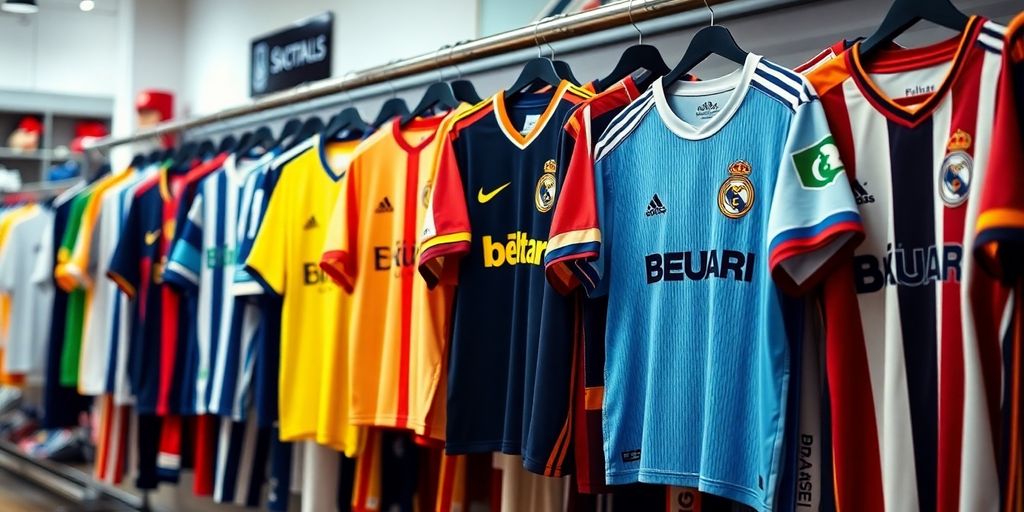
In the world of soccer, jerseys have become more than just a part of the uniform. They’ve turned into prime real estate for advertising. Sponsorship deals have become essential for clubs, bringing in significant revenue. Logos of major corporations adorn the front and back of jerseys, making them walking billboards. This trend started gaining momentum in the 1970s when brands like Adidas and Puma began partnering with clubs. Today, it’s hard to imagine a jersey without a sponsor’s logo.
Replica Jerseys and Fan Culture
Replica jerseys have become a massive part of soccer fan culture. Fans proudly wear these jerseys, showing their allegiance to their favorite teams. The demand for these replicas has skyrocketed, with clubs releasing multiple versions each season. This not only boosts a club’s income but also strengthens the bond between the team and its supporters. Fans often collect jerseys, each one representing a different era or a memorable season.
Economic Impact on Clubs
The economic benefits of jersey sales and sponsorships are immense. For many clubs, these revenues are crucial for maintaining financial stability. The money earned from these deals often funds player acquisitions, stadium improvements, and youth development programs. In some cases, the financial impact of jersey commercialization can make or break a club’s season. It’s a complex ecosystem where branding, fan engagement, and economic strategy intersect to sustain the sport’s growth.
Soccer jerseys are more than just sportswear; they are symbols of identity and economic power. The evolution from simple team colors to branded merchandise has reshaped the landscape of soccer, turning jerseys into a vital component of the game both on and off the pitch.
The Future of Soccer Jerseys
Innovations on the Horizon
Soccer jerseys are on the brink of a new era, with tech advancements set to redefine what players wear on the field. Imagine jerseys that adapt to weather conditions, changing their insulation based on the temperature. This could be a game-changer for players in fluctuating climates. We’re also seeing experiments with self-cleaning fabrics, which could drastically cut down on the maintenance of these kits. Not to mention, the potential for jerseys to monitor players’ vitals in real-time, providing invaluable data to coaches and medical staff.
Fan-Centric Customization
Fans are at the heart of soccer, and the future of jerseys will reflect this more than ever. Customization options are expanding beyond just names and numbers. Soon, supporters might choose from a range of designs, colors, and even materials to create a jersey that truly represents their personal fandom. Interactive elements like QR codes could link jerseys to exclusive content or fan experiences, making them more than just a piece of cloth but a gateway to a richer fan engagement.
Virtual and Augmented Reality Integration
Virtual reality (VR) and augmented reality (AR) are set to revolutionize how fans interact with soccer jerseys. Picture this: you point your smartphone at a jersey, and suddenly, player stats, historical moments, or even a live match feed appear. This integration could also extend to shopping experiences, where fans can "try on" jerseys virtually before making a purchase. It’s a step towards merging the physical and digital worlds, offering fans an immersive experience that goes beyond traditional merchandise.
The future of soccer jerseys promises to blend cutting-edge technology with fan engagement, making the humble jersey an exciting frontier in sports innovation. As teams and brands push the boundaries of what’s possible, fans can look forward to a new level of connection with their favorite sport.
Wrapping It Up: The Journey of Soccer Jerseys
So, there you have it. Soccer jerseys have come a long way from their humble beginnings. From the days of heavy cotton shirts and colorful caps to today’s high-tech, eco-friendly designs, these jerseys have evolved just as much as the game itself. They’re not just about team colors anymore; they’re a blend of tradition, innovation, and even personal expression. Whether you’re a player or a fan, these jerseys tell a story of where soccer has been and where it’s headed. And who knows what the next chapter will bring? One thing’s for sure, though—soccer jerseys will keep changing, just like the beautiful game they represent.
Frequently Asked Questions
What were soccer jerseys like in the early days?
In the beginning, soccer jerseys weren’t really jerseys at all. Players wore long pants and plain white shirts, using colorful scarves or caps to show their team. It wasn’t until later that actual uniforms were introduced.
When did soccer jerseys start to include numbers?
Soccer jerseys began featuring numbers in the 1920s. This change helped fans and referees identify players more easily on the field.
How did soccer jerseys change in the 1950s?
In the 1950s, jerseys became more stylish and tailored, with clubs like Real Madrid adopting iconic designs like the all-white kit. This era also saw the introduction of club badges on jerseys.
What role does technology play in modern soccer jerseys?
Today’s jerseys are made from high-tech materials that help players perform better by wicking away sweat and regulating body temperature. Some jerseys even use recycled materials to help the environment.
How have soccer jerseys become a part of fan culture?
Soccer jerseys are now a big part of fan culture, with replica jerseys being sold to fans who want to show support for their favorite teams. Sponsorships and branding have also made jerseys a commercial success.
What might soccer jerseys look like in the future?
In the future, soccer jerseys might include more personalized options for fans, as well as virtual and augmented reality features to enhance the game experience.