
Ever wonder what fuels top soccer players like Messi and Ronaldo? It’s not just about skill and training; diet plays a huge role too. These pros follow specific eating plans to boost their performance on the field. From pre-game meals to post-match recovery snacks, what they eat can make all the difference. Even if you’re not a pro, understanding these diets can help you up your game.
Key Takeaways
- Nutrition is key for soccer performance, affecting stamina and recovery.
- Carbs are crucial for energy, while protein aids muscle repair.
- Pre-game meals should focus on carbs and protein for quick energy.
- Hydration is vital; water and sports drinks keep players at peak performance.
- Famous players like Messi and Ronaldo follow strict diets to maintain their edge.
The Role of Nutrition in Soccer Performance
Why Nutrition Matters for Soccer Players
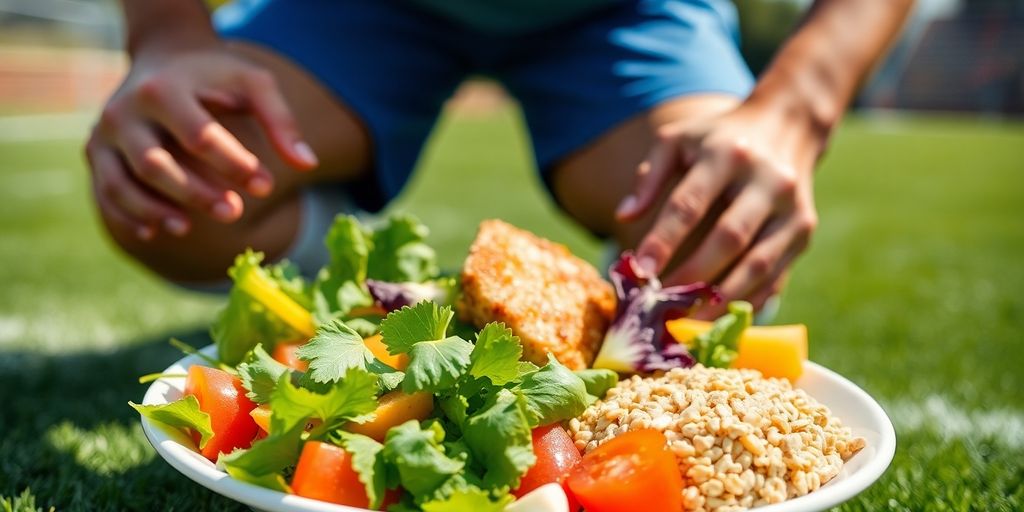
Soccer isn’t just about kicking a ball around; it demands a lot from the body, both physically and mentally. Fueling the body with the right nutrients is like putting premium gas in a sports car—it helps you perform better and last longer on the field. A well-balanced diet provides the energy needed for those intense sprints and quick decision-making moments. Without proper nutrition, players might find themselves dragging their feet by halftime.
Impact of Diet on Stamina and Endurance
When it comes to stamina, what you eat can make or break your game. Carbs are the body’s main source of energy, especially during high-intensity activities like soccer. They help maintain endurance throughout the match. On the flip side, a lack of proper nutrients can lead to fatigue and decreased performance. Eating right ensures that a player can keep up with the pace and demands of the game.
Nutritional Strategies for Injury Prevention
Injuries are a part of any sport, but good nutrition can help reduce the risk. Foods rich in antioxidants, vitamins, and minerals strengthen the immune system and repair tissues, which is crucial for recovery and injury prevention. Including a variety of colorful fruits and vegetables in the diet can provide these essential nutrients. Moreover, staying hydrated and consuming enough protein helps in maintaining muscle health, further preventing injuries.
Macronutrients Essential for Soccer Players
Importance of Carbohydrates in Soccer
Carbohydrates are the primary fuel for soccer players, giving them the energy they need for those intense sprints and quick maneuvers. Without carbs, players would struggle to maintain their energy during a match. Soccer players should aim to include nutrient-dense carbs like brown rice, sweet potatoes, and whole grain pasta in their diet. Fruits such as bananas and oranges are also great options, providing not only carbs but essential vitamins and minerals.
Protein Needs for Muscle Recovery
Protein is crucial for muscle repair and growth, which is vital after a grueling match or training session. Soccer players should include a variety of protein sources in their diet, such as chicken, fish, eggs, and plant-based options like beans and lentils. It’s recommended that athletes consume protein with every meal to aid in continuous muscle recovery.
Healthy Fats for Sustained Energy
Healthy fats are not just a backup energy source; they play a role in nutrient absorption and hormone production. Incorporating fats from sources like avocados, nuts, and olive oil can provide long-lasting energy. Soccer players need to be mindful of their fat intake, ensuring they choose healthy options while limiting saturated fats found in fried foods and heavy creams.
Balancing these macronutrients—carbs, proteins, and fats—ensures that soccer players have the energy, strength, and endurance needed to perform at their best. A well-rounded diet is as important as any training session, helping players keep up with the demands of the sport.
Pre-Game and Post-Game Nutrition
What to Eat Before a Soccer Match
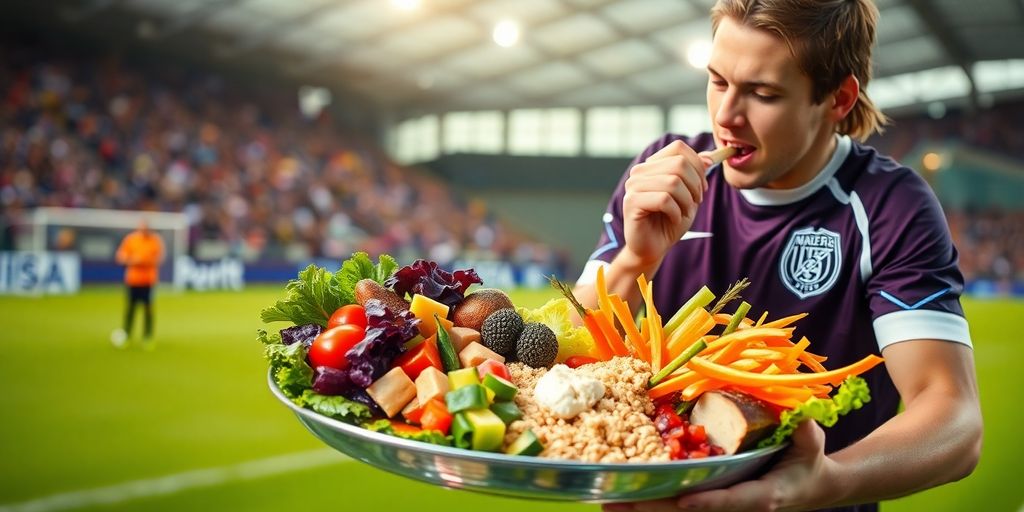
Getting the right fuel before a game is like putting gas in a car. You wouldn’t want to run out halfway through, right? Soccer players often eat their pre-game meal about 3 to 4 hours before kickoff. This meal should be a balanced mix of carbohydrates, proteins, and a touch of healthy fats. Think of it as laying the foundation for your energy levels. Some solid pre-game meal options might include:
- Grilled chicken with a side of quinoa and steamed veggies.
- A hearty bowl of oatmeal topped with berries and a dollop of Greek yogurt.
- A simple pasta dish with a light tomato sauce and lean turkey meatballs.
It’s also smart to grab a small snack about an hour before the game. A banana or a handful of almonds can be just the thing to keep your energy up without feeling too full. Remember, simple carbohydrates and moderate protein are key, while keeping fiber low to avoid any unwanted surprises on the field.
Ideal Post-Game Meals and Snacks
After the match, it’s all about recovery. You’ve just spent 90 minutes pushing your body to its limits, so refueling is crucial. Ideally, you want to eat within 30 to 60 minutes post-game. This is when your body is most receptive to absorbing nutrients. A good post-game meal should have a mix of protein to repair muscles and carbohydrates to replenish energy stores. Here are some tasty options:
- Grilled salmon with a side of brown rice and roasted vegetables.
- A turkey and avocado wrap with a side of fruit.
- A smoothie made with spinach, banana, protein powder, and almond milk.
If a full meal isn’t possible right away, a snack like a protein bar or a yogurt with fruit can tide you over until you can sit down for a proper meal.
Timing Your Meals for Optimal Performance
Timing is everything when it comes to eating around your soccer matches. Eating too soon before a game can leave you feeling sluggish, while waiting too long might leave you hungry and low on energy. Aim to have your main meal about 3 hours before the game, with a lighter snack about an hour prior. Post-game, try to eat as soon as possible to kickstart recovery.
Pro Tip: Staying hydrated is just as important as what you eat. Make sure to drink plenty of water throughout the day and consider a sports drink during the game to keep your electrolytes balanced.
Hydration Strategies for Soccer Players
How Much Water Should You Drink?
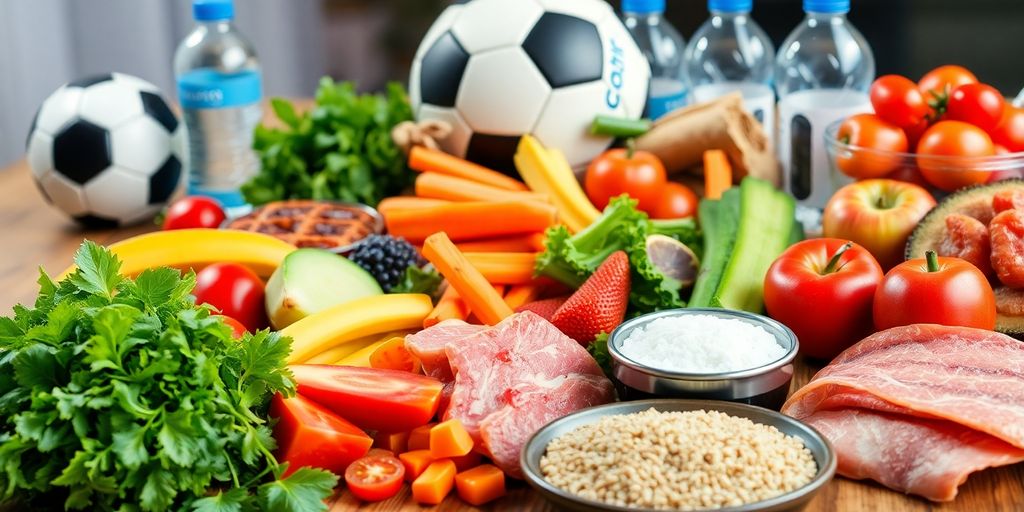
Staying hydrated is crucial for soccer players. Water intake directly impacts performance, affecting everything from endurance to decision-making on the field. The amount of water you need can depend on factors like weather conditions and your position. For instance, a midfielder might need more due to their high activity level. A good rule of thumb is to drink water consistently throughout the day, not just when you’re thirsty. Signs of dehydration include dry mouth, fatigue, and dark urine. Keep a water bottle handy and sip regularly to maintain optimal hydration levels.
Role of Sports Drinks in Hydration
Sports drinks can be a useful tool for soccer players, especially during intense matches or training sessions. They replace not only fluids but also electrolytes lost through sweat. However, they should be used wisely. If you’re playing in extreme heat or for extended periods, a diluted sports drink can help maintain your electrolyte balance without overloading on sugar. Mixing half sports drink and half water is a good strategy. This way, you get the benefits of both hydration and energy replenishment.
Avoiding Dehydration During Matches
Dehydration can severely impact a player’s performance, slowing reaction times and reducing stamina. To combat this, players should drink fluids at every opportunity during a match. Use halftime to top up your hydration levels with water or a light sports drink. Post-match, rehydrate with a full bottle of water and consider a snack with a bit of salt to help retain fluids. Remember, hydration is not just about drinking during the game but maintaining it throughout the day and after the match ends.
Hydration isn’t just about quenching thirst—it’s about keeping your body in peak condition to perform at its best. Always listen to your body’s signals and adjust your fluid intake accordingly.
Diet Plans of Famous Soccer Players
Lionel Messi, often hailed as one of the greatest soccer players ever, has a unique approach to his diet. Working closely with a nutritionist, Messi’s diet focuses on six key elements: water, olive oil, whole grains, fresh fruit, vegetables, and nuts and seeds. He limits his meat intake and instead opts for up to three protein shakes daily. Avoiding sugar and refined flour is crucial for Messi, as these can negatively affect performance.
Cristiano Ronaldo’s dedication to his diet is as legendary as his skills on the field. Ronaldo’s diet is rich in lean proteins, including fish and eggs, with steak making an occasional appearance. He supplements this with protein shakes and ensures a steady intake of carbohydrates through fresh, whole-grain breads and pastas. Fruits and vegetables are a staple in his meals, providing the necessary vitamins and minerals. Ronaldo rarely indulges in sugar or alcohol, preferring fresh juices and plenty of water.
Neymar’s diet is designed to fuel his high-energy playstyle. His meals often include white fish or salmon paired with boiled cabbage or vegetables, rice, and beans. Neymar complements his diet with protein shakes that include whey protein, fruit juice, carrot juice, blackberries, almonds, and even half an avocado. He consumes around 2,500 calories daily, focusing on protein and carbohydrates while keeping fats to a minimum. Occasionally, Neymar allows himself a treat like pizza or French fries, but these are rare indulgences.
“Top footballers maintain peak performance through specific dietary habits. Giuliano Poser advocates a Mediterranean diet rich in water, olive oil, whole grains, fresh fruits, and vegetables, emphasizing the importance of nutrition in athletic success.”
Foods to Avoid in a Soccer Player’s Diet
Negative Impact of Sugar and Refined Flour
For soccer players, sugary treats and refined flour products are like quicksand for energy levels. These foods can cause rapid spikes in blood sugar, followed by crashes that leave you feeling sluggish. Imagine trying to sprint down the field when your energy is on a rollercoaster ride—it’s not pretty. Instead, focus on whole grains and natural sugars found in fruits to keep your energy stable.
Why Alcohol is a Rare Indulgence
Alcohol might be a fun weekend indulgence, but for soccer players, it can seriously mess with performance. It dehydrates the body, disrupts sleep, and can slow down recovery. Not exactly what you want when you’re trying to be at your best on the field. If you do choose to drink, moderation is key, and it’s best to avoid it close to game days.
Identifying Unhealthy Fats
Not all fats are created equal. Unhealthy fats, like those found in fried foods and fast food burgers, can weigh you down both literally and figuratively. They take longer to digest, which means they can sit in your stomach like a brick during a match. Opt for healthy fats like those in avocados, nuts, and olive oil to keep your body fueled without the heavy baggage.
It’s not just about what you eat—it’s about what you avoid. Keeping the wrong foods out of your diet can be just as important as including the right ones. A balanced diet is crucial for maintaining peak performance, so be mindful of your choices both on and off the field.
Customizing Diets for Different Soccer Positions
Dietary Needs for Midfielders
Midfielders are like the engine room of a soccer team. They cover a lot of ground, so they need a diet that supports both endurance and agility. Carbohydrates are a midfielder’s best friend, providing the fuel needed for those long runs and quick sprints. Whole grains, fruits, and vegetables should be staples in their meals. Protein is also important to help repair muscles after intense matches. Midfielders might focus on lean meats, fish, and legumes to get their protein fix.
Nutrition for Goalkeepers
Goalkeepers have unique nutritional needs compared to outfield players. They require quick reflexes and strong muscles, so a diet rich in lean proteins and healthy fats is ideal. Eggs, chicken, and nuts can provide the necessary nutrients. Calcium is also crucial for maintaining bone strength, so dairy or fortified alternatives should be included. Since goalkeepers don’t run as much, their carbohydrate intake can be lower, focusing instead on maintaining a balanced diet to support their overall fitness.
Forwards and Their Energy Requirements
Forwards need explosive energy and quick recovery times. Their diet should be rich in high-quality carbohydrates and proteins. Think pasta, brown rice, and quinoa for carbs, and lean meats or plant-based proteins for muscle repair. Timing is key for forwards; eating a high-carb meal a few hours before a game can ensure they have the energy to make those crucial plays. Post-game, they should focus on protein-rich snacks to aid recovery.
Crafting the perfect diet for each position isn’t just about energy—it’s about optimizing performance on the field. By tailoring their intake, players can ensure they meet the demands of their specific roles, keeping them at the top of their game.
Conclusion
Wrapping it all up, it’s clear that what soccer players eat is just as important as how they train. The top players like Ronaldo, Messi, and Neymar don’t just rely on their skills; they pay close attention to their diets too. Eating right helps them stay fit, avoid injuries, and perform at their best on the field. Even if you’re not a pro, making small changes to your diet can make a big difference in your game. So, whether you’re aiming for the big leagues or just want to improve your weekend matches, consider tweaking your meals. It might just give you that extra edge you need.
Frequently Asked Questions
Why is nutrition important for soccer players?
Nutrition is crucial for soccer players because it helps improve stamina, endurance, and overall performance on the field. Eating the right foods can also speed up recovery and reduce the risk of injuries.
What should soccer players eat before a game?
Before a game, soccer players should focus on eating carbohydrates and proteins. Foods like pasta, rice, chicken, and fruits provide the energy and nutrients needed for high-intensity activities.
How do soccer players stay hydrated during matches?
Soccer players stay hydrated by drinking plenty of water before, during, and after matches. Sports drinks can also help replace electrolytes lost through sweat.
What foods do famous soccer players like Messi and Ronaldo avoid?
Famous soccer players like Messi and Ronaldo avoid foods high in sugar and refined flour as these can negatively impact their performance. They also limit their intake of alcohol.
How many meals do professional soccer players eat daily?
Professional soccer players often eat multiple smaller meals throughout the day, around 5 to 6, to maintain energy levels and support their intense training schedules.
Can young soccer players follow the same diet as professionals?
Young soccer players can adopt similar healthy eating habits but may need to adjust portions and specific foods based on their age, activity level, and nutritional needs.