
Manchester United, once a powerhouse in English football, seems to have lost its way in 2024. Fans and critics alike are scratching their heads, wondering what happened to the club that used to be a symbol of excellence and dominance. Let’s take a closer look at some of the reasons why Manchester United is struggling this year.
Key Takeaways
- Manchester United has lost its identity and style, struggling to find a consistent playing philosophy.
- The departure of Sir Alex Ferguson left a void that the club has yet to fill effectively.
- Questionable management decisions, including poor coaching choices and transfer mistakes, have hurt the club.
- Over-reliance on aging players and failing to nurture young talent have impacted player performance.
- Financial decisions prioritize commercial success over on-field performance, affecting the club’s competitiveness.
The Decline of Manchester United’s Legacy
Loss of Identity and Style
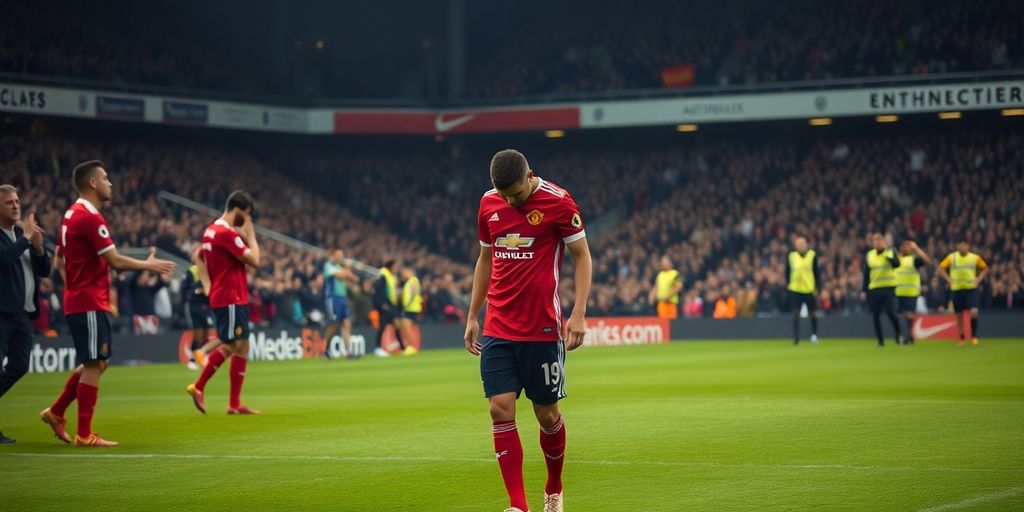
Manchester United used to be synonymous with a unique and dynamic style of play, characterized by swift wingers and relentless attacking. Over the years, this identity has blurred as a series of managers have tried to impose their own tactical philosophies. The club’s once-clear footballing identity has been diluted, leaving fans yearning for the days when United’s style was both recognizable and feared. The lack of a consistent playing style has not only confused players but also alienated long-time supporters who miss the old United flair.
Impact of Sir Alex Ferguson’s Departure
Sir Alex Ferguson’s retirement marked the end of an era. His departure left a void that Manchester United has struggled to fill. Ferguson didn’t just manage the team; he was the embodiment of the club’s ethos. Without his guiding hand, the club has floundered, making a series of managerial appointments that failed to live up to his legacy. Each new manager brought a different approach, leading to instability and a lack of continuity that has been detrimental to the team’s success.
The Theater of Dreams No More
Old Trafford was once a fortress, a place where opponents dreaded to play. Today, it feels like just another stadium. The aura that made it "The Theater of Dreams" has faded, replaced by a sense of vulnerability. Visiting teams no longer fear playing there, and home fans have witnessed too many disappointing performances. This loss of home advantage has been a significant factor in the team’s decline, contributing to a growing sense of frustration among the supporters.
Questionable Management Decisions
The Wrong Successor Chosen
When Sir Alex Ferguson retired, Manchester United faced the daunting task of finding a worthy successor. Unfortunately, the club’s choice didn’t quite hit the mark. Appointing a manager without top honors to replace such a legendary figure was a misstep. Manchester United, a club with a storied history, needed someone who could carry the torch, but instead, they got a series of managers who struggled to fill those enormous shoes.
Transfer Blunders and Their Impact
United’s transfer dealings have been a rollercoaster, often leaving fans scratching their heads. From splurging on players past their prime to missing out on emerging talents, the club’s strategy seems all over the place. Here’s a quick look at some notable transfer missteps:
- Signing aging stars like Bastian Schweinsteiger and Zlatan Ibrahimović, who, despite their fame, couldn’t provide long-term solutions.
- Letting go of key players such as David De Gea, which, as some argue, cost the team valuable points.
- Failing to secure young talents who could have been developed into future stars.
Coaching Changes and Instability
The revolving door of managers at Manchester United hasn’t helped the club find stability. Each new coach brings their own philosophy, which disrupts the team’s rhythm. This constant change has created an environment where players struggle to adapt, and the lack of a consistent direction is evident on the field. The absence of a clear, unified vision has left the squad in a state of confusion and inconsistency.
In the world of football, consistency breeds success. Manchester United’s inability to maintain a stable management structure has been a significant factor in their recent struggles. Without a clear path, even the most talented squad can falter.
Player Performance and Development Issues
Over-Reliance on Aging Stars
Manchester United’s dependency on seasoned players has been glaring. Relying heavily on veterans like Cristiano Ronaldo and others past their prime has stunted team growth. These players, while once formidable, no longer deliver consistently at the top level. This reliance has left the squad vulnerable, lacking the youthful vigor needed to compete with dynamic, fast-paced teams.
Failure to Nurture Homegrown Talent
The club’s inability to cultivate young talents has also been a significant issue. Players like Marcus Rashford and Mason Greenwood have shown promise but haven’t reached their full potential due to inconsistent development strategies. Instead of thriving, these homegrown players often find themselves sidelined or loaned out, missing crucial opportunities to mature within the first team.
Lack of Scary Players on the Field
In their heyday, United boasted intimidating players who struck fear into opponents. Today, that edge is missing. The team lacks those "scary" players who can change the course of a match with sheer presence and skill. Without such figures, the squad struggles to assert dominance on the field, often appearing lackluster and predictable.
Manchester United’s struggles on the field can be traced back to these fundamental issues. The team’s reliance on aging stars, combined with a failure to nurture new talent, has left them in a precarious position. Without addressing these problems, the club risks further decline, unable to reclaim its former glory.
The Financial and Commercial Aspects
Spending on Past-Their-Prime Players
Manchester United has a knack for splashing cash on players who have already seen their best days. This strategy often backfires, both on the field and financially. Investing in players past their prime not only drains the club’s coffers but also hinders the development of younger talent. The club has spent millions on high-profile names, hoping to capture former glories, but the returns have been underwhelming.
Commercial Success vs. On-Field Performance
United’s brand is massive, no doubt. They rake in huge sums from sponsorships and merchandise. However, this commercial success doesn’t always translate to victories on the field. The focus on maximizing revenue sometimes overshadows the need for a balanced and competitive squad. The emphasis on marketing over footballing success can leave fans frustrated, as they see the club more as a business than a football team.
The Ronaldo Effect on Finances
Cristiano Ronaldo’s return was a marketing coup, but it came with financial implications. While his presence boosted shirt sales and media attention, it also put a strain on the club’s wage structure. Balancing his astronomical salary with the need to maintain a competitive team became a tricky affair. Ronaldo’s impact on the pitch was undeniable, but the financial balancing act was a tough one for the club.
Manchester United’s financial strategies highlight a tension between maintaining a global brand and achieving consistent on-field success. The club’s focus on commercial ventures often seems to clash with the core goal of winning matches and trophies.
Moreover, as of September 30, 2024, Manchester United PLC reported cash and cash equivalents of £149.6 million, showing an improved financial performance compared to the previous year. This indicates a positive trend in their financial management, yet the challenge remains to align this with sporting achievements.
Fan Expectations and Reality
Entitled Fan Base and Media Pressure
Manchester United fans are known for their unwavering loyalty, but this comes with a certain level of entitlement. Many supporters have grown up witnessing the club’s dominance, particularly during the Sir Alex Ferguson era. This historical success has set a high bar, leading to expectations that aren’t always aligned with the current reality. The media often fuels this by portraying United as perennial title contenders, even when the squad lacks the depth or cohesion to realistically compete at that level. This creates a pressure cooker environment, both for the players and the management.
Living on False Hopes and Minor Wins
The fan base often clings to minor victories or the signing of a star player as signs of a return to glory. However, these moments are fleeting and rarely translate into sustained success. The club’s past achievements cast a long shadow, making it difficult for fans to accept the current mediocrity. Celebrating small wins can sometimes mask the underlying issues that need addressing, such as tactical inconsistencies or lack of squad depth.
Comparisons to Historical Success
Comparisons to the glory days are inevitable and frequent. Fans and pundits alike often draw parallels between the current team and the legendary squads of the past. But the truth is, the landscape of football has changed dramatically. Clubs like Real Madrid and AC Milan have adapted by investing heavily in youth development and tactical innovation. United, on the other hand, seems stuck in a cycle of nostalgia, unable to break free from the weight of its own history. This fixation on the past can hinder progress, as the club struggles to forge a new identity in the modern game.
"The echoes of past triumphs can be haunting, especially when they serve as constant reminders of the heights yet to be reclaimed."
In conclusion, the gap between fan expectations and reality is a significant hurdle for Manchester United. Until the club can align its ambitions with its current capabilities, it risks remaining a shadow of its former self.
The Role of Key Players and Transfers
David De Gea’s Departure and Its Consequences
David De Gea’s exit from Manchester United was a massive blow. The club decided to replace him with Andre Onana, a move that has been criticized heavily. De Gea was a one-man wall, often saving United from deeper troubles with his extraordinary goalkeeping skills. His absence is felt in the points column, with United losing critical matches they might have won with him in goal. The decision to let him leave on a free transfer, only to bring in a less reliable substitute, has been seen as one of the worst transfer blunders in recent years.
The Impact of Cristiano Ronaldo’s Return
Cristiano Ronaldo’s return to Manchester United was supposed to be a fairytale comeback, but it turned into a mixed bag. While he brought goals and star power, his presence also disrupted the team’s balance. The younger players often seemed overshadowed, and the team struggled to adapt their play to suit Ronaldo’s style. His signing was as much about commercial gain as it was about footballing success, leading to questions about whether the club’s priorities were in the right place.
Transfer Decisions That Backfired
Manchester United’s transfer strategy has been under the microscope, with several decisions proving costly. From overpaying for players past their prime to failing to secure long-term targets, the club’s recruitment policy has raised eyebrows. Here are a few notable missteps:
- Signing expensive players who didn’t fit the team’s style or needs.
- Missing out on young talents who could have been developed into stars.
- Focusing more on marquee signings rather than building a cohesive squad.
The transfer market is a tricky beast, and Manchester United’s recent dealings have shown how easily things can go wrong. It’s not just about spending big; it’s about spending smart.
Cultural and Structural Challenges
Loss of Club Soul and Magic
Over the years, Manchester United has seen a dramatic shift in its core identity. The soul of the club, once vibrant and full of life, now feels like a shadow of its former self. The aura that once surrounded Old Trafford, known as the "Theater of Dreams," has dimmed. The magic that made Manchester United a global icon seems to have been lost in the chaos of modern football. Fans reminisce about the days when the club was synonymous with passion and resilience, qualities that seem to be fading.
Dressing-Room Leaks and Internal Issues
Internal strife has plagued Manchester United, with dressing-room leaks becoming a recurring issue. Such leaks have not only disrupted team harmony but also exposed a lack of unity within the squad. The constant media scrutiny and the public airing of grievances have created an environment where trust is scarce. Players and staff are often on edge, knowing that any slip-up could become tomorrow’s headline. It’s a far cry from the tight-knit group that once thrived under Sir Alex Ferguson.
The Body Without the Soul
The club’s structure feels like a body without its soul, functioning but lacking the essence that once made it great. There’s a disconnect between the club’s rich history and its current state. Manchester United is struggling to find its place in a rapidly changing football landscape. The focus has shifted from building a cohesive team to chasing short-term successes, often at the expense of long-term stability. The club’s heart seems to have been lost in the pursuit of commercial gains, leaving fans yearning for the Manchester United they once knew.
Wrapping Up: A Club in Transition
So, there you have it. Manchester United in 2024 is a club grappling with its identity, trying to find its footing in a rapidly changing football landscape. From questionable managerial choices to a lack of intimidating players, the issues are plenty. The magic that once defined Old Trafford seems like a distant memory. But hey, football is unpredictable, right? Maybe next season will bring a fresh start. For now, though, it’s a time of reflection and rebuilding for the Red Devils. Let’s see if they can rise from the ashes and reclaim their former glory.
Frequently Asked Questions
Why is Manchester United not performing well in 2024?
Manchester United is struggling in 2024 due to poor management decisions, lack of strong player development, and over-reliance on aging stars. The club has also lost its identity and style, which has affected its performance on the field.
How has the departure of Sir Alex Ferguson impacted Manchester United?
Sir Alex Ferguson’s departure left a big gap in leadership and vision. The club struggled to find a suitable successor, which led to instability and a loss of the winning mentality that Ferguson had instilled.
What role do questionable management decisions play in Manchester United’s decline?
Questionable management decisions, like hiring the wrong coaches and making poor transfer choices, have contributed to the club’s decline. These decisions have led to instability and a lack of direction for the team.
How have player performance and development issues affected Manchester United?
Manchester United has struggled to nurture homegrown talent and has relied too much on older players. This has resulted in a lack of fresh, dynamic players who can make a significant impact on the field.
What financial challenges is Manchester United facing?
Manchester United has spent heavily on players past their prime while focusing more on commercial success than on-field performance. This approach has strained the club’s finances without yielding the desired results on the pitch.
How do fan expectations impact Manchester United?
Fans have high expectations based on the club’s historical success, which creates pressure on the team and management. This pressure can lead to hasty decisions and a focus on short-term wins rather than long-term stability.