
Ever wondered just how much cash soccer players rake in? It’s not just about kicking a ball around; there’s a whole lot more to it. From transfer fees to performance bonuses, and even off-field earnings like endorsements and social media influence, the money flows in from all directions. And let’s not forget the role of different leagues and the challenges players face regarding their salaries. Soccer player money is a big topic, and it’s only getting bigger.
Key Takeaways
- Soccer player earnings come from various sources, including salaries, bonuses, and endorsements.
- Top players like Ronaldo and Messi make millions both on and off the field.
- Leagues like the Premier League and Saudi Pro League significantly impact player salaries.
- Off-field earnings through endorsements and social media can surpass on-field salaries for some players.
- Financial regulations and market trends continue to shape the future of soccer player compensation.
Understanding Soccer Player Salaries
Factors Influencing Earnings
Soccer players’ salaries aren’t just numbers thrown around; they’re influenced by a bunch of factors. A player’s skill level, popularity, and position on the field can all impact their paycheck. Forwards, for instance, often make more than defenders because they score goals and grab headlines. Then there’s the club’s financial health—richer clubs can afford to pay more. Contract length and negotiations also play a big role, as agents strive to get the best deal for their clients. Finally, a player’s nationality might come into play, with local stars sometimes earning more due to their marketability in home countries.
Role of Transfer Fees
Transfer fees are a big part of how players make money. When a player moves from one club to another, the buying club pays a transfer fee to the selling club. This fee can be huge, sometimes reaching hundreds of millions, and while it doesn’t go directly into the player’s pocket, it does affect their salary negotiations. A high transfer fee can mean a club is willing to offer a higher salary to justify their investment. Plus, it can boost a player’s market value, making them more attractive to other clubs in the future.
Impact of Performance Bonuses
Performance bonuses are like the cherry on top of a player’s salary. These bonuses are incentives for players to perform well and can include things like scoring goals, keeping clean sheets, or even winning matches. For top players, these bonuses can add up to millions. Clubs use bonuses to motivate players to achieve specific targets, and they can be a significant part of a player’s total earnings. These bonuses can vary widely depending on the club and the player’s role, but they often encourage players to push themselves to new heights.
Soccer players’ earnings are a complex mix of salary, bonuses, and transfer fees, all intertwined to reflect their value on and off the field. Understanding these elements helps us appreciate the financial side of the beautiful game.
Top Earning Soccer Players Worldwide
Profiles of Highest-Paid Players
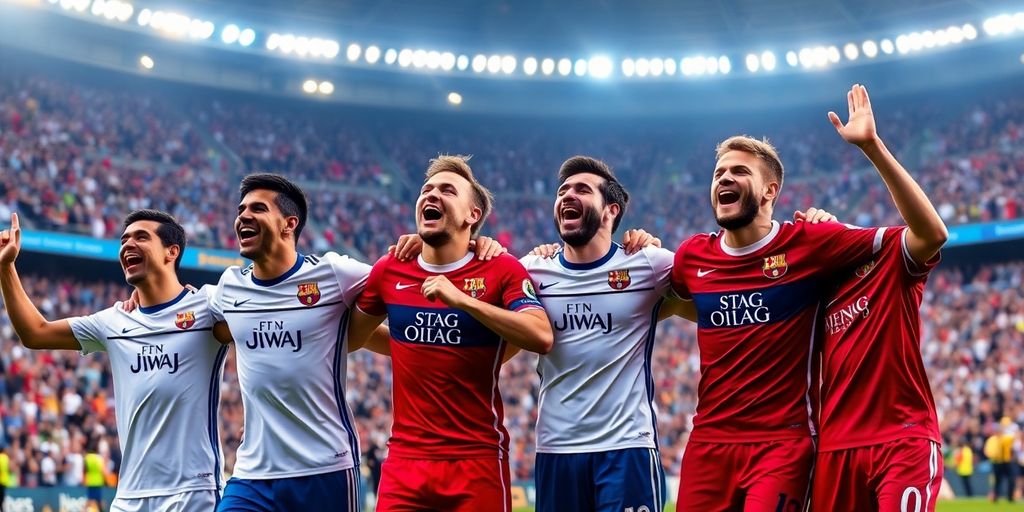
When you think of top-earning soccer stars, Cristiano Ronaldo immediately comes to mind. He’s the highest-paid player, raking in an astounding $285 million annually. Playing for Al Nassr, Ronaldo’s on-field earnings are a whopping $220 million, while off-field ventures contribute another $65 million. His massive social media influence, with over 900 million followers, plays a big part in his financial success.
Next up is Lionel Messi, earning $135 million per year. Since joining Inter Miami, Messi’s been a sensation both on and off the field. His off-field earnings, $75 million, are the highest among soccer players, thanks to his numerous endorsements.
Other notable mentions include Erling Haaland and Mohamed Salah. Haaland, with his incredible goal-scoring record at Manchester City, earns $60 million, while Salah, still a key player for Liverpool, is at $53 million.
Comparison Across Leagues
The financial landscape of soccer varies greatly across leagues. The Saudi Pro League has emerged as a major player, with four of the top ten highest-paid players, including Ronaldo and Sadio Mané. This league’s financial muscle is reshaping the global soccer economy.
Meanwhile, the Premier League, known for its competitive nature, also hosts top earners like Kevin De Bruyne. La Liga and MLS, with stars like Messi, continue to hold significant influence, though they have fewer top earners compared to the Saudi league.
Influence of Endorsements
Endorsements significantly boost players’ earnings. Ronaldo’s partnerships with brands like Nike and Herbalife add millions to his income. Similarly, Messi’s deals with Adidas and PepsiCo make up a substantial part of his earnings.
These endorsements not only enhance players’ financial status but also increase their global reach and influence. For many players, the right endorsements can sometimes outweigh their on-field salaries, highlighting the importance of a strong personal brand in today’s sports world.
Soccer players’ earnings aren’t just about kicking a ball around. It’s a mix of skill, fame, and smart business moves that make them some of the wealthiest athletes in the world.
The Role of Leagues in Player Salaries
Premier League vs. La Liga
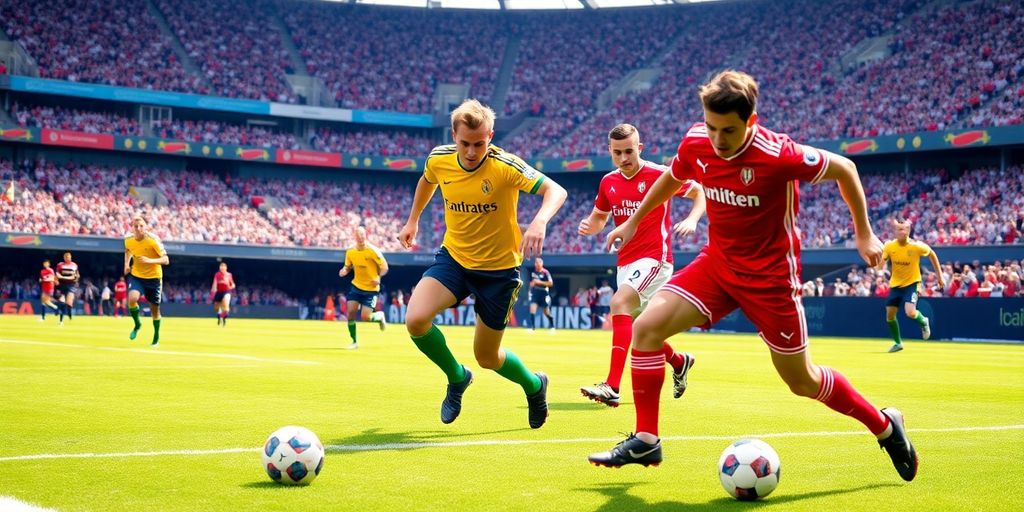
The Premier League and La Liga are two of the most prestigious soccer leagues globally, but they differ significantly in how they influence player salaries. The Premier League is often considered the wealthiest league, thanks to its lucrative broadcasting deals and extensive global fanbase. This financial muscle allows English clubs to offer competitive salaries, attracting top talents worldwide. On the other hand, La Liga, while home to giants like Real Madrid and Barcelona, often relies on its rich history and player development programs to lure players. The financial disparity between these leagues can be seen in their transfer market activities, where Premier League clubs tend to spend more aggressively.
MLS and Its Growth
Major League Soccer (MLS) in the United States has been on a growth trajectory, both in terms of popularity and financial clout. With the introduction of the Designated Player Rule, MLS teams can sign high-profile players without breaching the salary cap, allowing stars like Lionel Messi to join the league. Player salaries in MLS vary widely, from a few hundred thousand to millions for top players. This structure helps the league attract international talent while nurturing domestic players. The league’s expansion and investment in infrastructure are also key factors driving its growth.
Saudi Pro League’s Impact
The Saudi Pro League has emerged as a surprising force in the global soccer landscape, thanks to its ability to offer substantial salaries that rival those of European leagues. This league has attracted several top players with its financial incentives, reshaping the dynamics of player transfers. The Saudi Pro League’s impact is not just limited to player salaries but also extends to its influence on global soccer economics. As more players consider moves to the Middle East, the league’s role in shaping salary trends becomes increasingly significant. Additionally, the league’s financial strategies have ripple effects, influencing how other leagues, like the Premier League, manage their finances.
Off-Field Earnings for Soccer Players
Soccer players aren’t just raking in cash on the field; their off-field earnings can be just as impressive. These earnings come from various sources like endorsements, sponsorships, and personal business ventures.
Endorsements and Sponsorships
Endorsements are a major chunk of off-field earnings for soccer stars. Brands love associating with these athletes because of their massive appeal and reach. For instance, Lionel Messi earns a significant amount from deals with big names like Adidas and Apple TV. These partnerships not only boost the players’ bank accounts but also enhance their global image.
Business Ventures and Investments
Many players invest their earnings into businesses. From Cristiano Ronaldo’s hotels to Messi’s clothing line, these ventures provide a steady income stream beyond their playing days. Players often take stakes in startups or established companies, hoping to grow their wealth.
Social Media Influence
In today’s digital age, social media is a goldmine. Players like Cristiano Ronaldo, with millions of followers, can command hefty fees for sponsored posts. Social media platforms have become a new arena for players to engage with fans and promote brands, making it a lucrative side hustle.
Soccer players have mastered the art of balancing their on-field performance with off-field business acumen, creating a financial ecosystem that extends far beyond the game itself.
Off-field earnings are not just about money. They signify the players’ influence and ability to connect with audiences worldwide, making them not just athletes, but global icons.
Challenges and Controversies in Soccer Player Earnings
Financial Fair Play Regulations
One of the biggest challenges in soccer player earnings is the Financial Fair Play (FFP) Regulations. These rules, set by UEFA, aim to prevent clubs from spending more than they earn, trying to ensure long-term financial stability. But the reality? It often leads to debates about fairness and effectiveness. Some argue that it restricts smaller clubs from growing, while others say it keeps the big clubs in check. The rules are supposed to stop clubs from getting into financial trouble, but they sometimes end up just making the rich clubs richer.
Disparities in Player Salaries
The gap between the highest and lowest-paid players is staggering. Top players like Cristiano Ronaldo and Lionel Messi earn hundreds of millions, while others in lower leagues struggle to make ends meet. This disparity can lead to tension within teams and leagues, as well as discussions about fairness. It’s not just about skill; marketability and brand play huge roles too. When players move to leagues like the Saudi Pro League, their paychecks can skyrocket, causing even more imbalance.
Ethical Concerns in Sponsorships
Sponsorship deals can be lucrative, but they also bring ethical dilemmas. Players often face criticism for endorsing products or companies with questionable practices. The allure of big money can sometimes overshadow personal values, leading to controversies. And with the rise of social media, every endorsement is scrutinized. Players have to balance the financial benefits with potential backlash from fans and the public. It’s a tricky path to navigate, and not everyone gets it right.
The world of soccer isn’t just about what happens on the field. Off the field, the financial and ethical landscapes are just as competitive and complex, with players and clubs constantly navigating challenges to maintain their edge.
Future Trends in Soccer Player Compensation
Emerging Markets and Opportunities
Soccer is expanding into new territories, and it’s bringing fresh opportunities for players. Emerging markets like the Saudi Pro League have already made waves by attracting top talent with lucrative deals. These markets are reshaping the financial landscape of the sport, offering players financial packages that rival traditional soccer powerhouses. As these leagues grow, we’ll likely see more players considering moves to less conventional leagues, driven by substantial financial incentives.
Technological Advancements
Technology is playing a big role in how players negotiate their contracts. From data analytics to performance tracking, teams are now equipped with tools that provide detailed insights into a player’s value. This data-driven approach allows for more tailored contracts, potentially leading to unique performance-based incentives. Additionally, virtual reality and AI are starting to influence training and recovery, which could also affect contract negotiations as players and teams look to maximize performance.
Changing Contract Structures
Player contracts are evolving, moving away from traditional models to more flexible arrangements. We’re seeing a shift towards contracts that include a mix of base salary, performance bonuses, and even equity stakes in clubs or related businesses. This change gives players more control over their earnings and aligns their interests with the team’s success. Moreover, with the rise of social media, players are leveraging their personal brands, leading to contracts that reflect their off-field influence as much as their on-field performance.
The future of soccer player compensation isn’t just about bigger paychecks; it’s about smarter, more diversified earnings that reflect a player’s total value to the sport. As the game continues to evolve, so too will the ways in which players are rewarded for their contributions.
Wrapping It Up: Soccer Salaries in Perspective
So, there you have it. Soccer players, especially those at the top, rake in some serious cash. We’re talking millions, both on and off the field. But it’s not just about the money. For many players, it’s about living the dream, playing the sport they love, and maybe even making a difference in the world. Sure, the big names like Ronaldo and Messi grab the headlines with their jaw-dropping earnings, but there’s a whole spectrum of salaries out there. From the mega-rich stars in Europe and the Middle East to the hardworking players in the MLS, each has their own story. At the end of the day, whether they’re making millions or just enough to get by, they’re all part of the beautiful game. And for fans, that’s what truly matters.
Frequently Asked Questions
How do soccer players earn money?
Soccer players earn money through their club salaries, bonuses for performance, and off-field activities like endorsements and sponsorships.
Why do some soccer players make more money than others?
Players’ earnings vary based on their skills, the league they play in, endorsement deals, and their marketability.
What are transfer fees in soccer?
Transfer fees are payments made by one club to another for the rights to a player, often impacting the player’s salary and overall earnings.
How do endorsements affect a soccer player’s earnings?
Endorsements can significantly boost a player’s income as companies pay them to promote products or services.
What role do leagues play in determining player salaries?
Different leagues have different financial strengths, impacting how much they can pay players. Top leagues like the Premier League often pay higher salaries.
What are some challenges in soccer player earnings?
Challenges include financial fair play regulations, salary disparities, and ethical concerns with certain sponsorships.