
Soccer isn’t just a game played on a field; it’s a global phenomenon that touches lives everywhere. From local parks to massive stadiums, the sport brings together people from every corner of the globe. You don’t need to speak the same language to bond over a thrilling match. Soccer has this magical way of uniting us, whether we’re cheering for our home team or watching the World Cup. It’s not just about the goals or the trophies, but the shared moments and stories that make soccer a universal language.
Key Takeaways
- Soccer connects people worldwide, transcending language and cultural barriers.
- The sport has historical roots that have evolved into a global phenomenon.
- Soccer significantly impacts economies, from local businesses to global markets.
- While it can unite, soccer also has instances where it divides communities.
- Media and technology have transformed how we experience and interact with soccer.
Soccer as a Universal Language
Connecting Fans Across Continents
Soccer, or football as it’s known in many places, is like a global magnet that pulls people together. It doesn’t matter where you’re from or what language you speak, the love for this game is universal. When the World Cup rolls around, you can feel the excitement buzzing from Tokyo to New York. It’s like everyone is speaking the same language, even if they aren’t saying a word. Fans from all over gather to cheer for their teams, creating a massive, worldwide community.
- Soccer matches are broadcast in almost every country.
- Fans travel across the globe to support their teams.
- Major tournaments like the World Cup attract billions of viewers.
Promoting Peace and Understanding
Soccer has this incredible ability to bring peace. Remember the 2002 World Cup? South Korea and Japan co-hosted it, and it was more than just games. It was a chance for these two nations, with a complicated past, to come together and share something positive. Matches like these show how soccer can be a bridge over troubled waters, promoting understanding and goodwill.
Breaking Down Cultural Barriers
When you see fans from different countries sitting side by side, cheering and celebrating, it’s a reminder of soccer’s power to break down walls. Prejudices and stereotypes start to fade when people connect over a shared passion. It’s not just about the game; it’s about the camaraderie that forms in the stands and on the field. Soccer makes it easier to see each other as people, not just as strangers from different lands.
Soccer is more than just a sport; it’s a way to connect with others, understand different cultures, and find common ground. It’s a celebration of diversity and unity, all wrapped up in 90 minutes of play.
David Reyes, a defender at Martin Luther King High School, knows this well. His journey in soccer highlights how the sport can be a universal language, transcending boundaries and bringing people together.
The Historical Journey of Soccer’s Globalization
From Ancient Games to Modern Soccer
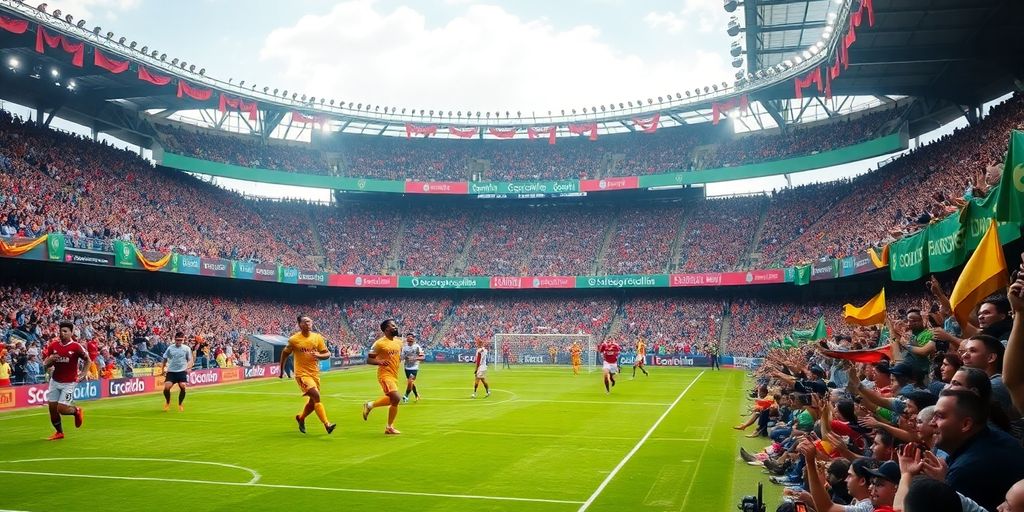
The roots of soccer stretch back to ancient times, with ball games played in various cultures like China and Greece. However, the modern form we recognize today began to take shape in 19th-century England. This period marked the codification of rules, setting the foundation for organized play. The Football Association, established in 1863, was a pivotal moment in soccer’s evolution, transforming it from local pastime to structured sport.
The Role of the British Empire
The British Empire played a crucial role in spreading soccer globally. As British sailors, soldiers, and expatriates traveled, they took the game with them, introducing it to new lands. The simplicity of soccer—requiring just a ball and open space—made it accessible to all, irrespective of social class or age. This ease of play helped it gain popularity rapidly across continents.
FIFA’s Influence on Global Soccer
In 1904, the formation of the Fédération Internationale de Football Association (FIFA) marked a significant milestone in soccer’s globalization. FIFA aimed to standardize rules and oversee international competitions. The inaugural World Cup in 1930 showcased soccer’s universal appeal, drawing teams and fans from around the world. Post-World War II, soccer’s reach expanded even further, aided by television broadcasts which brought live matches to global audiences. This media exposure turned soccer into a worldwide spectacle, cementing its status as a cultural phenomenon.
Economic Impact of Soccer on Nations
Revenue Streams from Soccer
Soccer, or football as it’s known in many parts of the world, is a massive economic engine. The sport generates billions of dollars annually, thanks to its diverse revenue streams. Ticket sales are a primary source of income. Fans eagerly purchase tickets to witness their favorite teams and players in action, often paying premium prices for high-demand matches. Broadcasting rights are another significant revenue stream. Networks and streaming services compete fiercely to broadcast live matches, paying hefty sums for the privilege. Merchandise and sponsorships also play a crucial role. Clubs and national teams sell a wide range of products, from jerseys to memorabilia, and secure lucrative sponsorship deals with global brands.
The Multiplier Effect on Local Economies
The economic impact of soccer extends beyond direct revenues. The sport’s multiplier effect is profound, stimulating various sectors. When fans travel to attend matches, they spend money on accommodation, food, and transportation, boosting local businesses. Major tournaments like the World Cup can transform host cities, leading to significant economic growth. This influx of spending creates jobs and supports industries such as hospitality, retail, and tourism.
Soccer’s Role in Tourism and Investment
Soccer events are a magnet for international tourists. The influx of visitors during major tournaments like the UEFA Champions League final or the Copa América provides a substantial boost to the host nation’s economy. Tourists spend on hotels, restaurants, and local attractions, injecting money into the local economy. Moreover, hosting such events can enhance a country’s international profile, attracting foreign investment. The development of infrastructure, such as modern stadiums and improved transport links, often accompanies these events, leaving a lasting legacy that benefits the economy long after the final whistle.
Soccer isn’t just a game; it’s a global economic powerhouse. From creating jobs to boosting tourism, its impact is felt far and wide, proving that the beautiful game is also a lucrative one.
Soccer as a Cultural Unifier and Divider
The Unifying Power of Soccer
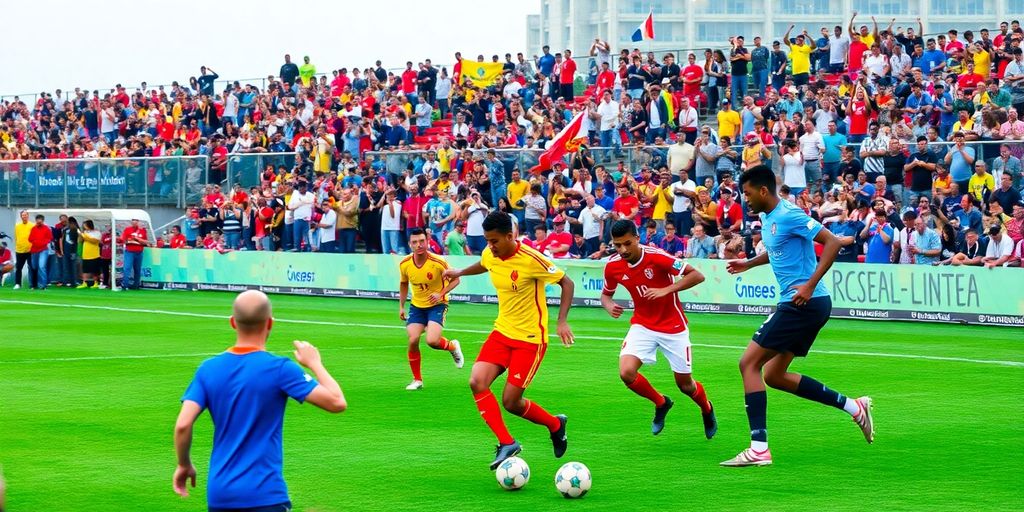
Soccer, often hailed as the "beautiful game," has a unique knack for bringing people together. It’s not just about the thrill of the match but the shared experiences that bind fans across the globe. One of the most memorable instances is the Christmas Truce of 1914 during World War I, where soldiers from opposing sides paused the conflict to play a spontaneous soccer game. This moment highlighted how the sport can momentarily dissolve even the harshest divides.
Another example is the 2005 UEFA Champions League final, often dubbed the "Miracle of Istanbul." Liverpool’s dramatic comeback against AC Milan united fans in a shared sense of awe and optimism, showcasing soccer’s ability to inspire and bring hope. In South Africa, the 1996 African Cup of Nations became a symbol of unity post-apartheid, with the national team, Bafana Bafana, lifting the trophy and reinforcing the nation’s healing process.
Instances of Division in Soccer
Despite its unifying potential, soccer has its share of divisive moments. Hooliganism, characterized by violent fan behavior, has marred the sport’s reputation with incidents of brawls and chaos. Moreover, soccer has been a stage for political exploitation, such as the 1978 World Cup in Argentina, where the event was used to project a facade of unity during a military dictatorship.
Racism and discrimination also remain persistent issues within the sport. Players have faced racist chants and gestures, underscoring the need for ongoing efforts to combat these challenges. These incidents reveal how soccer, while a force for unity, can also reflect societal tensions.
Soccer’s Role in National Identity
Soccer plays a pivotal role in shaping national identity. It’s more than just a sport; it’s a reflection of cultural pride and unity. Nations rally behind their teams during international tournaments, fostering a sense of belonging and shared identity. The sport becomes a canvas for expressing national pride and unity, while also sometimes highlighting internal divisions.
Soccer’s dual nature as both a unifier and divider reflects its deep entrenchment in societal fabric. It’s a game that brings joy and conflict, unity and division, embodying the complexities of human interaction. The sport’s ability to transcend boundaries while also highlighting them makes it a fascinating lens through which to view global culture.
In the end, soccer is more than just a game. It’s a powerful cultural force that can both unite and divide, reflecting the diverse tapestry of human society. Whether it’s the global phenomenon of legendary rivalries or the shared language of passion among fans, soccer continues to shape and be shaped by the world around it.
Soccer’s Influence on Media and Technology
The Symbiosis with Traditional Media
Soccer and traditional media have a long-standing relationship. TV networks and newspapers were the first to bring the excitement of soccer to the masses. Major tournaments like the FIFA World Cup and UEFA Champions League have made broadcasting rights some of the most sought-after deals in sports media. This demand has led to the emergence of dedicated sports channels like Sky Sports in the UK and ESPN in the US, which are now synonymous with soccer broadcasts. These channels do more than just show games; they offer deep analysis, commentary, and behind-the-scenes content, giving fans a richer experience.
Impact on Social Media Platforms
In today’s digital age, soccer has found a massive audience on social media. Teams, players, and leagues are using platforms like Twitter, Facebook, Instagram, and YouTube to connect with fans in real-time. Take Real Madrid’s Instagram account, for example. It has millions of followers and constantly shares content that keeps fans engaged. Social media isn’t just about clubs posting updates; it’s a space where fans from all over the world can discuss matches, share opinions, and join online communities. During big games, hashtags like #UCL for the UEFA Champions League trend globally, showcasing the power of social media in soccer.
Technological Advancements in Soccer
The push for more immersive viewing experiences has driven technological innovations in soccer broadcasting. Technologies like virtual reality (VR) and augmented reality (AR) are being explored to give fans a more interactive way to watch games. For instance, UEFA’s AR app lets users see match stats and player profiles in augmented reality. Advanced analytics and tracking technologies, like the Hawk-Eye system, are also being used to improve officiating and enhance the viewing experience. These tools provide real-time data on player movements and tactics, which broadcasters use for in-depth match analysis.
Soccer’s reach extends beyond the field, shaping how we consume media and pushing technological boundaries. Its influence on both traditional and digital platforms highlights its role as a global unifier and a driver of innovation.
In the realm of US tech companies, soccer is increasingly seen as a strategic avenue for brand expansion and fan engagement, recognizing the sport’s potential as a powerful marketing channel. The digital transformation of soccer has opened new revenue streams for clubs and media companies, with streaming services like DAZN and ESPN+ offering exclusive soccer content. This shift is not just about broadcasting; it’s about creating a comprehensive fan experience that spans multiple platforms.
Future Trends and Challenges in Soccer’s Global Impact

Emerging Markets in Soccer
The soccer landscape is changing fast, with emerging markets like China, India, and the U.S. taking center stage. These countries are pouring resources into building soccer infrastructures and nurturing local talent. For instance, China’s ambitious "Football Reform and Development" plan aims to make the country a soccer powerhouse. This shift could change the balance of power in international soccer.
- China: Massive investments in youth academies and infrastructure.
- India: Growing interest and investment in soccer leagues.
- USA: Expanding Major League Soccer (MLS) and increasing youth participation.
Inclusivity and Diversity Challenges
Despite soccer’s global appeal, it still faces issues with inclusivity and diversity. Racism and discrimination are persistent problems in stadiums and within governing bodies. Initiatives like UEFA’s Football and Social Responsibility are striving to promote equality, but there’s a long way to go to truly reflect the sport’s diverse fan base.
Soccer has the power to unite, but it must also confront its own biases to truly be a game for everyone.
Balancing Commercial and Cultural Interests
The commercialization of soccer has brought wealth but also challenges. Clubs and leagues are navigating how to maximize revenue while keeping the sport’s authenticity. There’s a delicate balance between financial gains and maintaining the grassroots spirit that fans cherish. Too much focus on money can lead to fan backlash and loss of the sport’s essence.
- Revenue vs. Tradition
- Globalization vs. Local Identity
- Entertainment vs. Sport
Soccer is more than just a game; it’s a cultural phenomenon that connects people worldwide. It’s vital to keep this spirit alive while embracing new opportunities. As the sport evolves, it must stay true to its roots and ensure that every fan feels included and represented in this global community. Soccer fan culture continues to be a vibrant force, uniting diverse communities through shared traditions and social connections.
Conclusion
Soccer isn’t just a game; it’s a global connector. It’s amazing how a simple sport can bring people from all over the world together, breaking down barriers of language and culture. Whether it’s a local match or the World Cup, soccer has this magical way of uniting fans, creating friendships, and even fostering peace. Sure, it has its challenges, like any big thing does, but the positives are hard to ignore. From boosting local economies to promoting social change, soccer’s impact is huge. So next time you watch a game, remember, it’s more than just a ball being kicked around—it’s a celebration of our shared humanity.
Frequently Asked Questions
What is the main goal of soccer?
The main goal of soccer is to score more goals than the opposing team by getting the ball into their net.
Why is soccer called a universal language?
Soccer is called a universal language because it connects people from different countries and cultures through a shared love for the game.
How does soccer help in promoting peace?
Soccer promotes peace by bringing together people from different backgrounds, fostering understanding and friendship.
What are some economic benefits of soccer?
Soccer boosts local economies by creating jobs, attracting tourists, and generating revenue through ticket sales and merchandise.
How does soccer impact national identity?
Soccer impacts national identity by uniting people under their country’s team, fostering pride and a sense of belonging.
What role does technology play in soccer?
Technology in soccer helps with better officiating, enhances the viewing experience, and provides in-depth analysis for fans.